Advanced Orthodontics, Implants & Cosmetic Dentistry in Gangnam, Seoul · International Patient Concierge

Dental Guide
Why Surgery-First Orthodontics Lowers Long-Term Treatment Costs
The landscape of orthodontic and maxillofacial care in South Korea is shifting rapidly.
Schedule a ConsultationThe landscape of orthodontic and maxillofacial care in South Korea is shifting rapidly. Traditionally, patients with significant jaw discrepancies—such as severe underbites or facial asymmetry—faced a grueling three-stage process: 18 to 24 months of "pre-surgical" braces, followed by major surgery, and another year of refinement. However, recent Korean nationwide clinical surveys indicate that the emotional and financial "inflation" of this three-year timeline is a primary deterrent for patients.
As the South Korean medical market for advanced dental procedures continues to see a compound annual growth rate (CAGR) of approximately 8% to 10%, a more efficient protocol has emerged. Known as **Surgery-First Orthodontic Treatment **(SFOT), this method addresses the structural skeletal problem at the very beginning of the journey. For patients at ** Smile View Dental** , this approach isn't just about faster aesthetics; it is a strategic decision to minimize the cumulative costs of prolonged clinical visits, lost productivity, and the "dental burnout" associated with traditional multi-year plans.
Orthognathic Surgery in Korea: Benefits, Risks, and Ideal Candidates
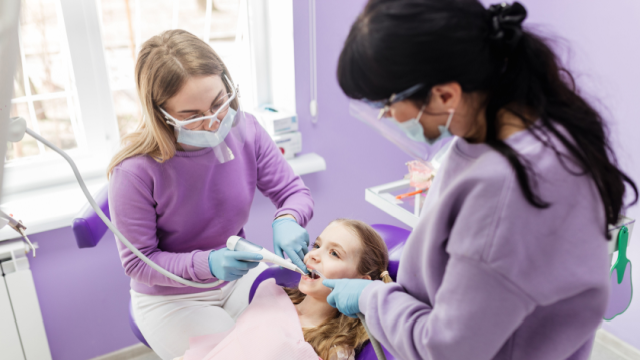
Orthognathic surgery (jaw surgery) is often necessary when a patient's bite issues are skeletal rather than just dental. In Korea, where aesthetic harmony and functional precision are highly valued, the Surgery-First approach has gained significant traction.
Who is an Ideal Candidate?
- Adults (Aged 20–50): Those whose jaw growth is complete but suffer from malocclusion (poor bite).
- Patients with Skeletal Asymmetry: Individuals where one side of the jaw has grown more than the other.
- Time-Sensitive Professionals: Patients who cannot commit to 2–3 years of conspicuous metal braces before seeing a profile change.
- Sleep Apnea Sufferers: Those whose jaw position contributes to airway obstruction.
Current Standard Approaches & Limitations in Korean Jaw Correction
The "Orthodontics-First" model remains the conventional standard in many public health contexts, but it carries hidden long-term burdens for the patient.
The Innovative Approach: Surgery-First Orthodontic Treatment
The Surgery-First Orthodontic Treatment flips the traditional script. By performing the corrective jaw surgery at the start, the clinic targets the "root cause" of the facial disharmony immediately.
How it Works: The RAP Phenomenon
Why it is Tech-Enabled
Data & Outcomes: Comparing the Pathways
Comparison Table: Traditional vs. Surgery-First (SFOA)
Local Korea Insights: Why "Fast and Precise" Matters
Where Smile View Dental Fits in Surgery-First Care in Korea
More Dental Articles
Continue reading our clinical dental guides.
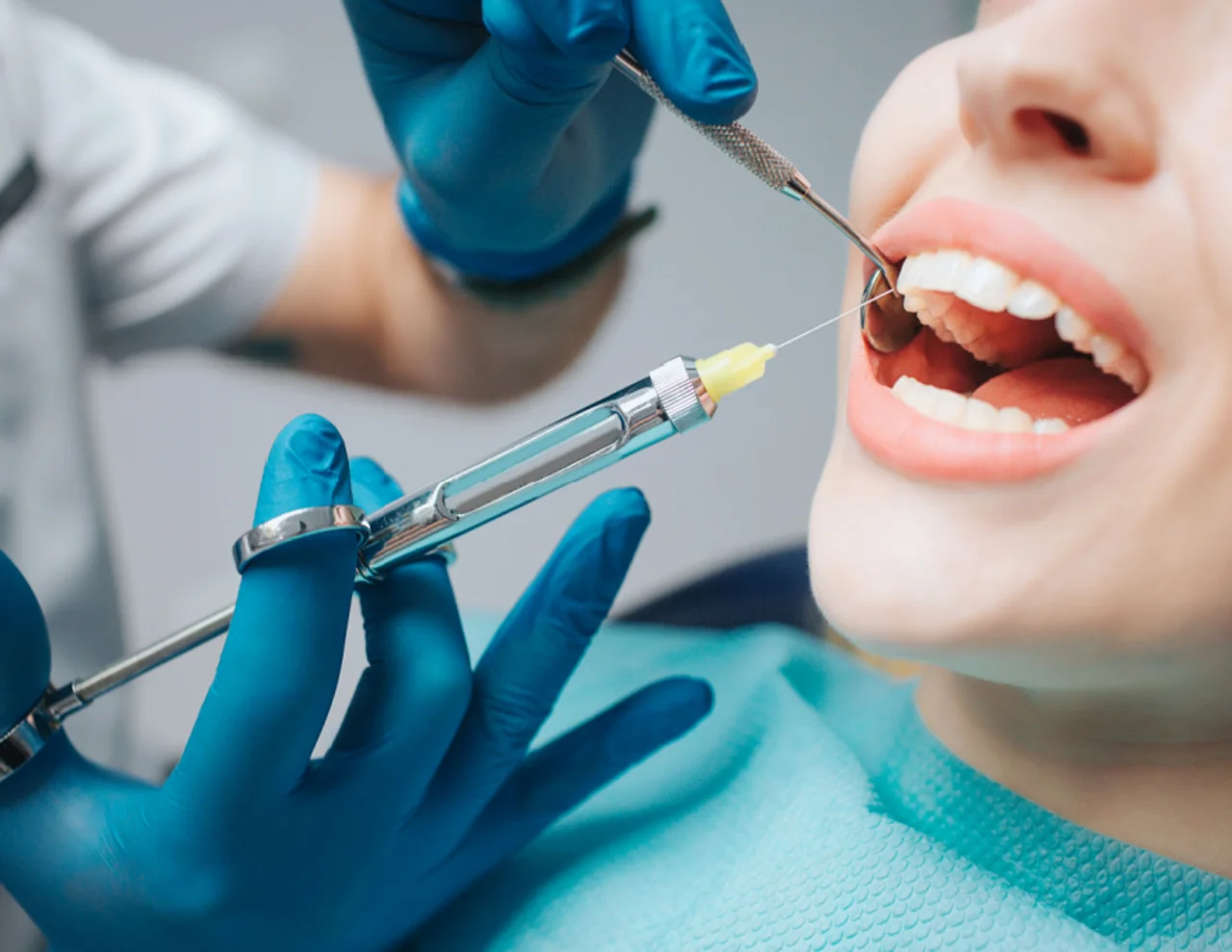
Korean Dental Anesthesia Market: Projected $80M Revenue by 2035
In the rapidly evolving landscape of South Korean healthcare, patient comfort has transitioned from a luxury to a baseline expectation.
Learn More

Why Non-Surgical Orthodontics Reduces Long-Term Dental Costs
The landscape of dental care in South Korea is shifting rapidly as patients increasingly prioritize long-term functional health over quick aesthetic fixes.
Learn More
Comparing Orthodontic Treatment Fees: Korea vs Japan Benchmarks
The decision to pursue orthodontic treatment is a long-term investment in both oral health and facial aesthetics. For patients in the Asia-Pacific region, South Korea and Japan represent the two most prominent hubs for advanced dental care.
Learn More