Advanced Orthodontics, Implants & Cosmetic Dentistry in Gangnam, Seoul · International Patient Concierge


Dental Guide
Why Non-Surgical Orthodontics Reduces Long-Term Dental Costs
The landscape of dental care in South Korea is shifting rapidly as patients increasingly prioritize long-term functional health over quick aesthetic fixes.
Schedule a ConsultationThe landscape of dental care in South Korea is shifting rapidly as patients increasingly prioritize long-term functional health over quick aesthetic fixes. With a nationwide malocclusion prevalence estimated at approximately 48% to 52% among the general population, the burden of misaligned teeth and jaw irregularities is a significant public health concern. According to recent market reports, the Korean orthodontic supplies market is projected to reach nearly $523 million by 2035, driven largely by a growing demand for advanced, non-invasive solutions.
For many Korean families, the choice often boils down to a fundamental question: settle for traditional, sometimes invasive surgical interventions, or invest in a high-tech, non-surgical pathway. At Smile View Dental , the focus is on utilizing AI-Assisted 3D Orthodontic Planning to correct even complex skeletal issues without the need for jaw surgery. This strategy not only addresses the "root cause" of dental misalignment but also aims to prevent the cascading costs associated with surgical recovery and potential long-term complications.
Non-Surgical Orthodontics in Korea: Benefits, Risks, and Ideal Candidates
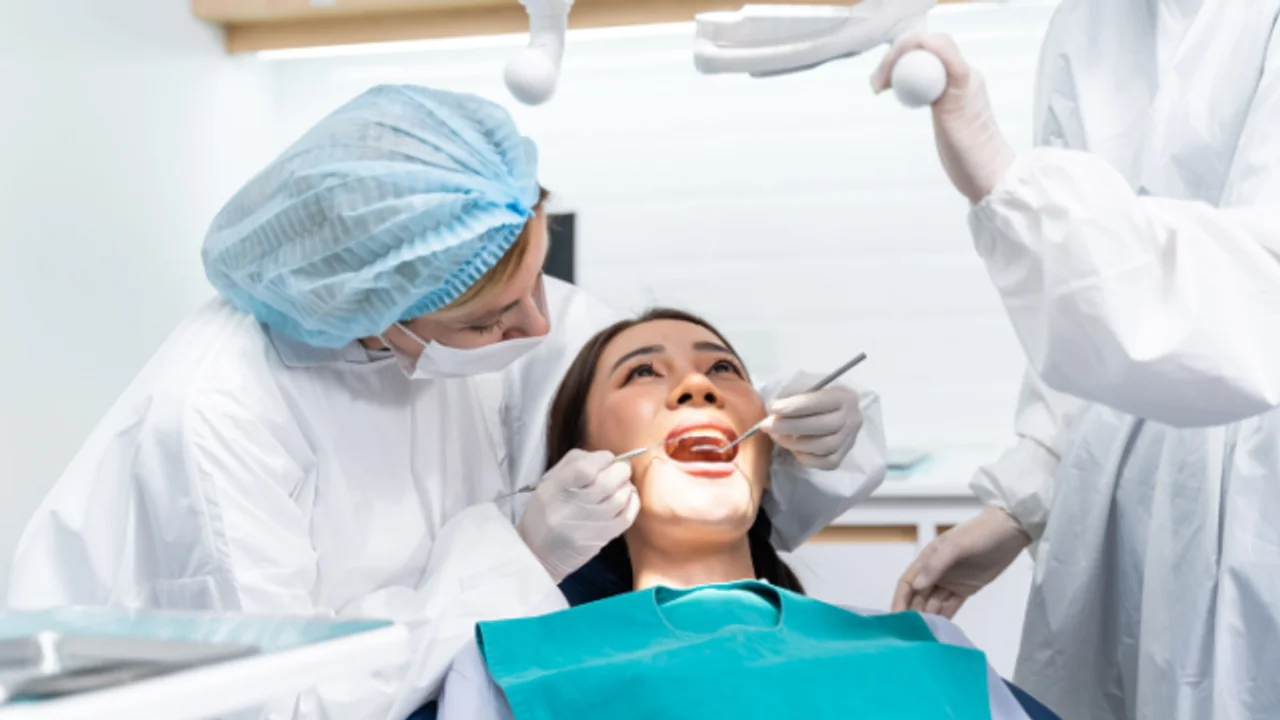
Traditional orthognathic (jaw) surgery in Korea remains a robust solution for severe skeletal deformities, but it comes with a substantial price tag—often ranging from $7,000 to over $25,000 per jaw. Beyond the immediate financial cost, the physiological "cost" includes general anesthesia, weeks of downtime, and risks of nerve sensitivity.
In contrast, AI-Assisted 3D Orthodontic Planning offers a "minimally invasive" alternative that leverages computational precision to move teeth and remodel the alveolar bone.
Why Choose the Non-Surgical Path?
- Ideal for Moderate to Severe Crowding: Patients who were previously told they "needed surgery" can often find relief through advanced self-ligating braces or high-tier aligner systems.
- Reduced Risk Profile: No surgical incisions means zero risk of post-operative infection or permanent nerve numbness.
- Preservation of Natural Tissue: The focus is on biological tooth movement rather than mechanical bone resection.
Is Non-Surgical Orthodontic Treatment in Korea Worth the Cost?
Q: How does the cost of non-surgical treatment compare to jaw surgery over 10 years?
A: While the upfront cost of premium orthodontics (approx. $5,000–$9,000) may seem high, it is significantly lower than the $20,000+ required for surgery and post-op care. Furthermore, by correcting the bite non-surgically, patients avoid "hidden costs" like future dental implants, crowns, and periodontal treatments caused by abnormal tooth wear.
Current Standard Approaches & Limitations
- Standard Jaw Surgery (Orthognathic):
More Dental Articles
Continue reading our clinical dental guides.
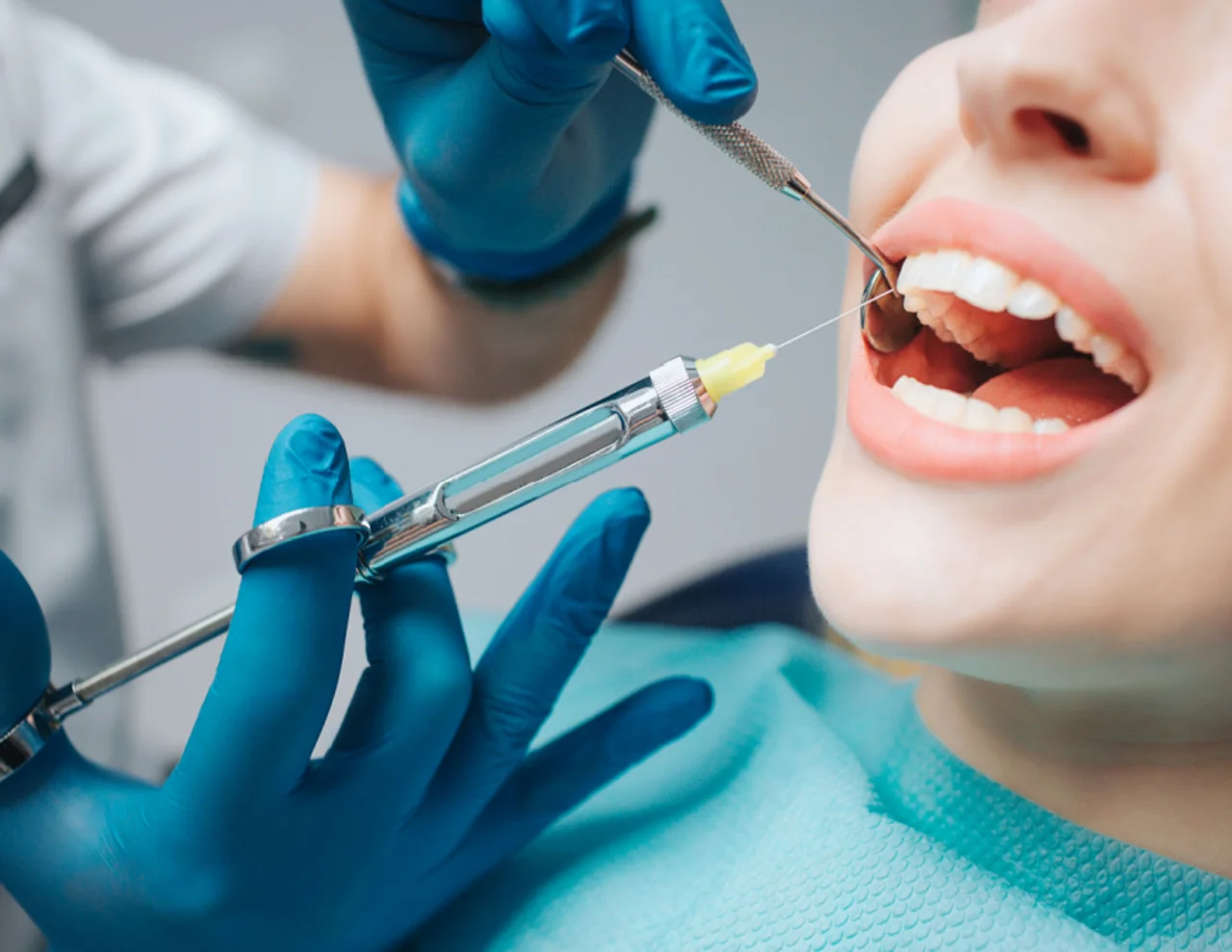
Korean Dental Anesthesia Market: Projected $80M Revenue by 2035
In the rapidly evolving landscape of South Korean healthcare, patient comfort has transitioned from a luxury to a baseline expectation.
Learn More
Why Non-Surgical Orthodontics Reduces Long-Term Dental Costs
The landscape of dental care in South Korea is shifting rapidly as patients increasingly prioritize long-term functional health over quick aesthetic fixes.
Learn More
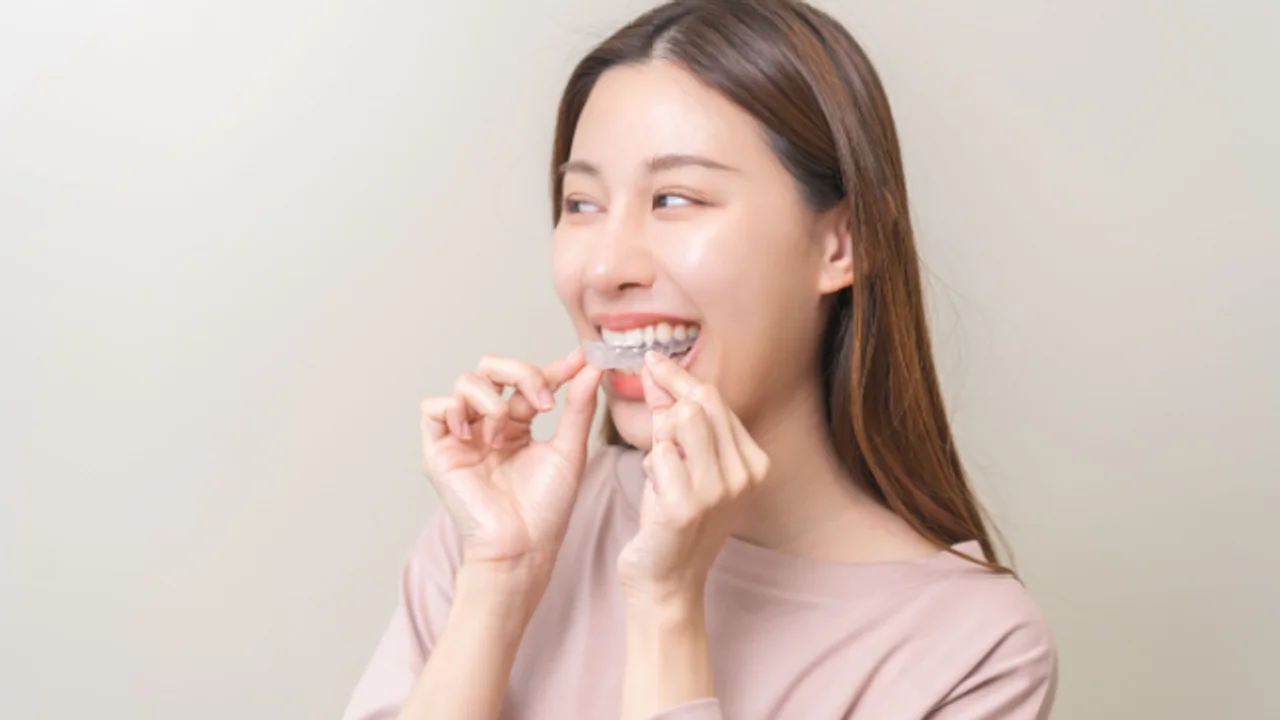
Comparing Orthodontic Treatment Fees: Korea vs Japan Benchmarks
The decision to pursue orthodontic treatment is a long-term investment in both oral health and facial aesthetics. For patients in the Asia-Pacific region, South Korea and Japan represent the two most prominent hubs for advanced dental care.
Learn More