Advanced Orthodontics, Implants & Cosmetic Dentistry in Gangnam, Seoul · International Patient Concierge

Dental Guide
Should You Whiten Before or After Veneers? Experts Explain
Wondering if you should whiten before or after veneers? Discover expert advice on the best timing for teeth whitening with veneers. Get the facts—learn more now!
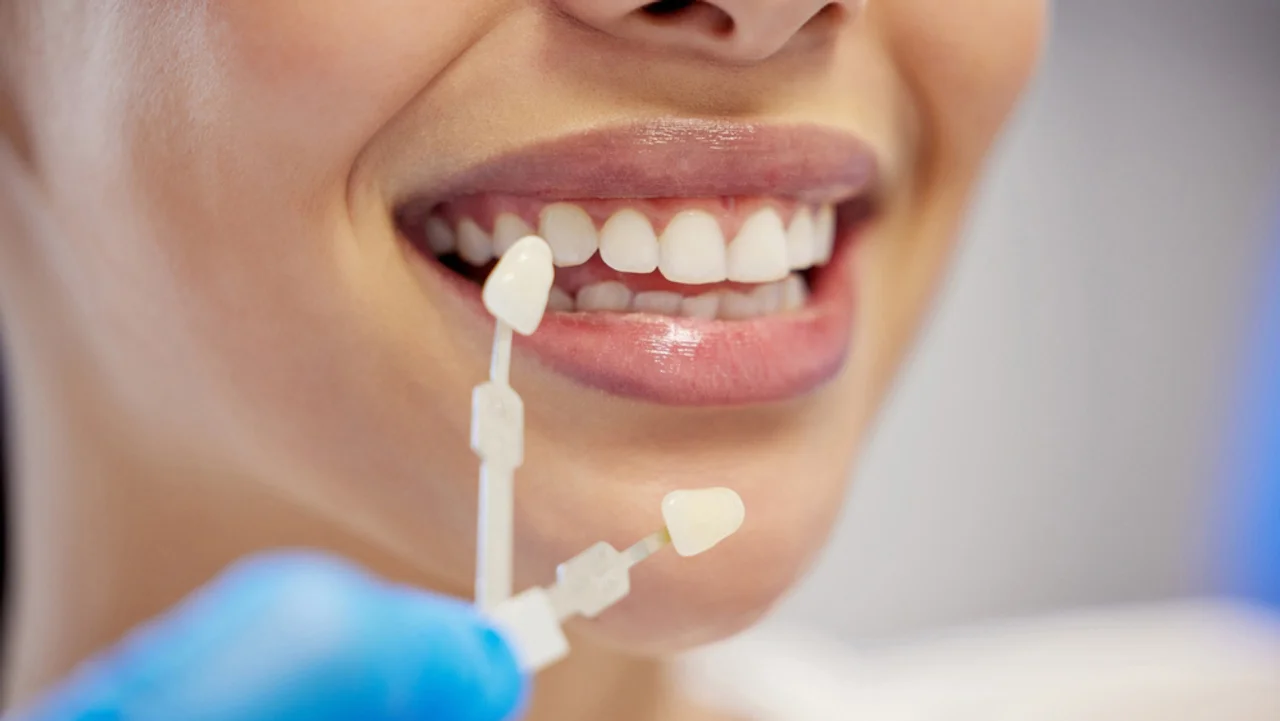
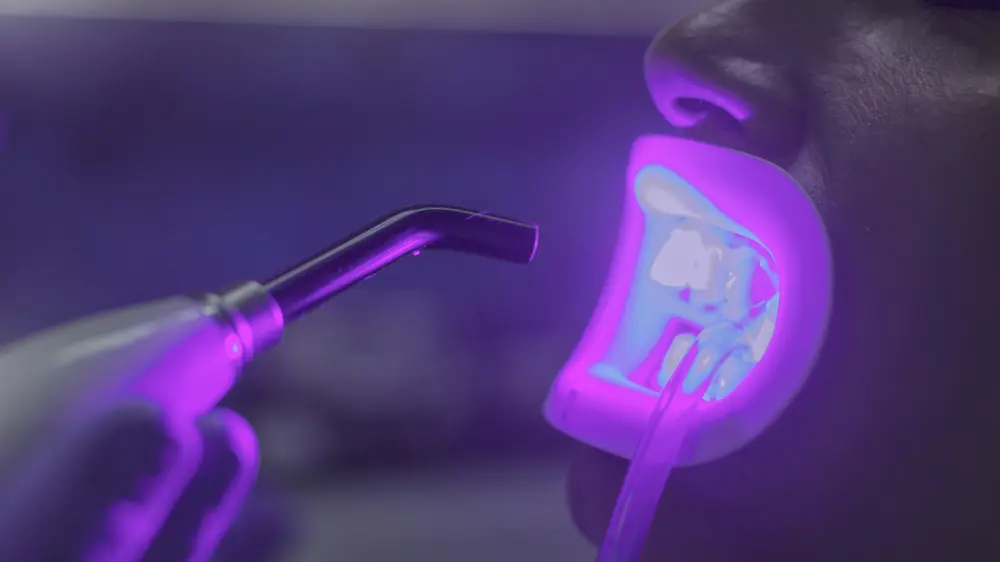
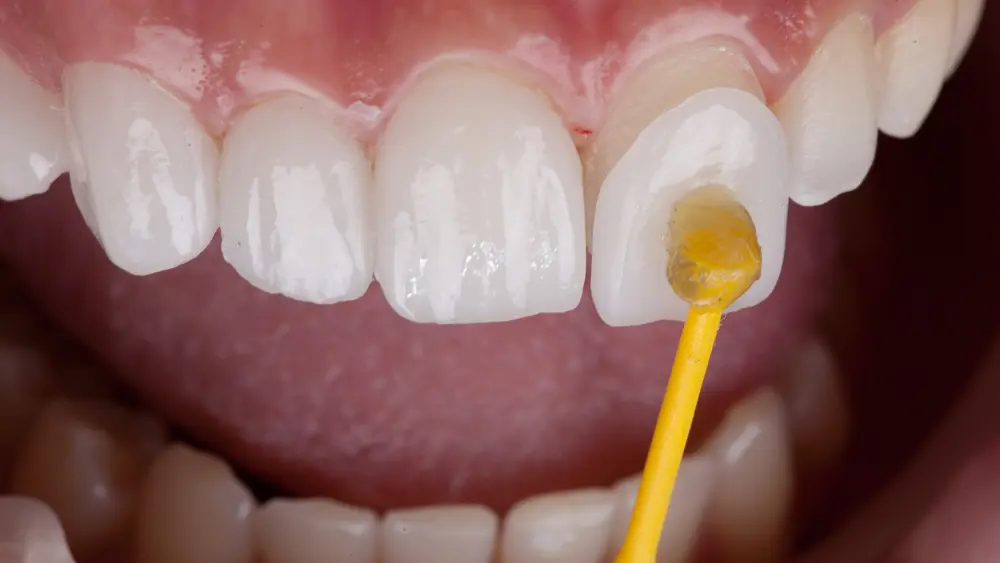
Schedule a ConsultationIntroduction\n\n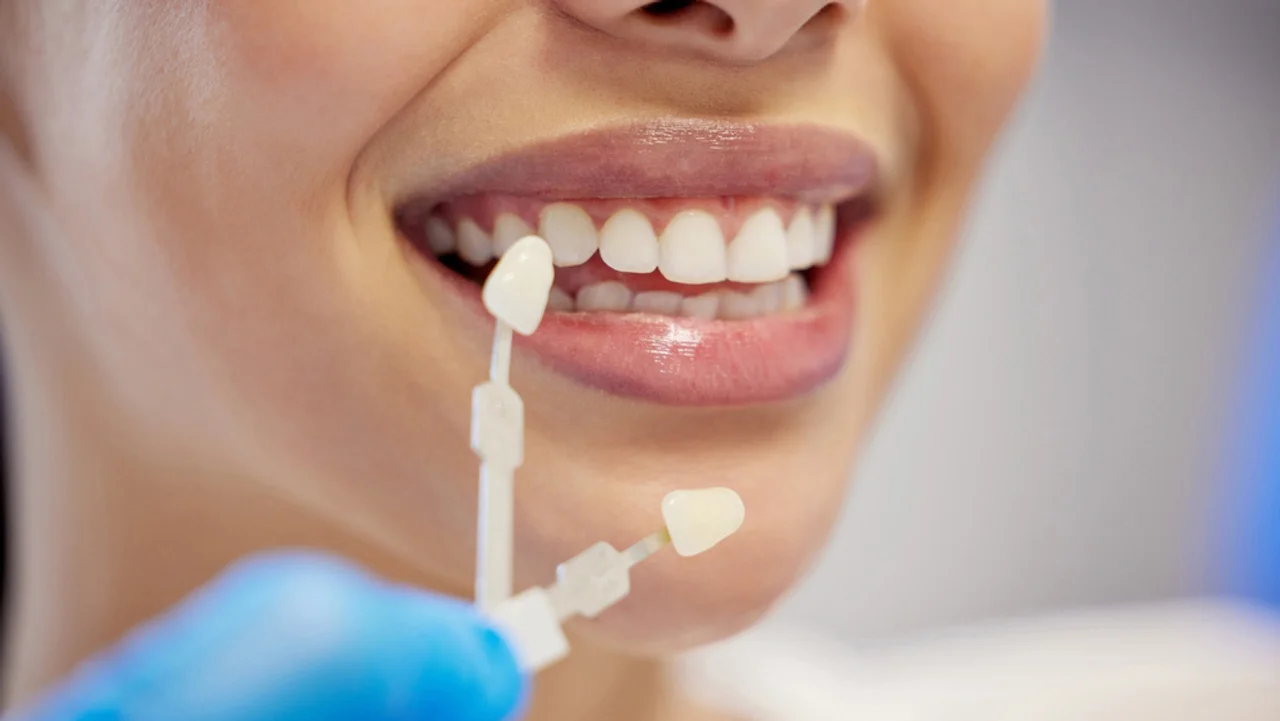 \n\nYou're finally ready to invest in your smile. Maybe you've saved up for years or had a consultation that left you feeling hopeful. You know veneers can provide the flawless, camera-ready smile you've always wanted. But then your dentist asks: "Have you thought about whitening your teeth first?"\n\nSuddenly, you're unsure. Should whitening come before veneers, after, or does it even matter?\n\nAt Smile View Dental Clinic in Gangnam-gu, Seoul, this is a question we hear often. And it's not just a cosmetic curiosity—it's a decision that can dramatically impact the final look and longevity of your smile. With advanced training from Yonsei, Harvard, and UCLA, Dr. Han-gyeol Kim and our team of integrated dental specialists understand that achieving an ideal smile involves strategic planning, not guesswork.\n\nIn this article, we explore the clinical and aesthetic reasoning behind whitening timing, using real patient scenarios and expert insight to help you make the right decision. Whether you're preparing for a major life event or simply want to boost your self-confidence, knowing the proper sequence can save you time, discomfort, and costly revisions down the line.\n\n## Understanding the Relationship Between Whitening and Veneers\n\nTo understand the sequencing, let’s first define the materials we’re working with.\n\nVeneers are thin shells of porcelain or composite resin bonded to the front of teeth. They’re designed to improve color, shape, and alignment—often used in high-aesthetic zones like the front teeth. Porcelain veneers, in particular, offer durability, stain resistance, and lifelike translucency that mimics natural enamel.\n\nTeeth whitening, meanwhile, involves using peroxide-based agents to lighten the shade of natural tooth enamel. Importantly:\n\n- Veneers cannot be whitened once placed.\n\n- Only natural tooth structure responds to whitening treatments.\n\nSo if you're whitening after veneers, only your natural teeth will brighten, possibly creating uneven shades across your smile. This contrast is most noticeable when smiling, laughing, or speaking—situations where natural and veneered teeth are visible side-by-side.\n\n## Why Whitening First Makes the Most Sense?\n\nIn most cases, you should whiten your teeth before getting veneers. Here's why:\n\n### 1. Better Shade Matching\n\nDental labs use your existing tooth color as a reference when creating your veneers. If you plan to whiten later, the veneers will remain darker than your newly whitened natural teeth—an effect that often looks mismatched or artificial.\n\n### 2. Harmonized Smile Design\n\n### 3. Long-Term Aesthetic Stability\n\n
 \n\n
More Dental Articles
Continue reading our clinical dental guides.
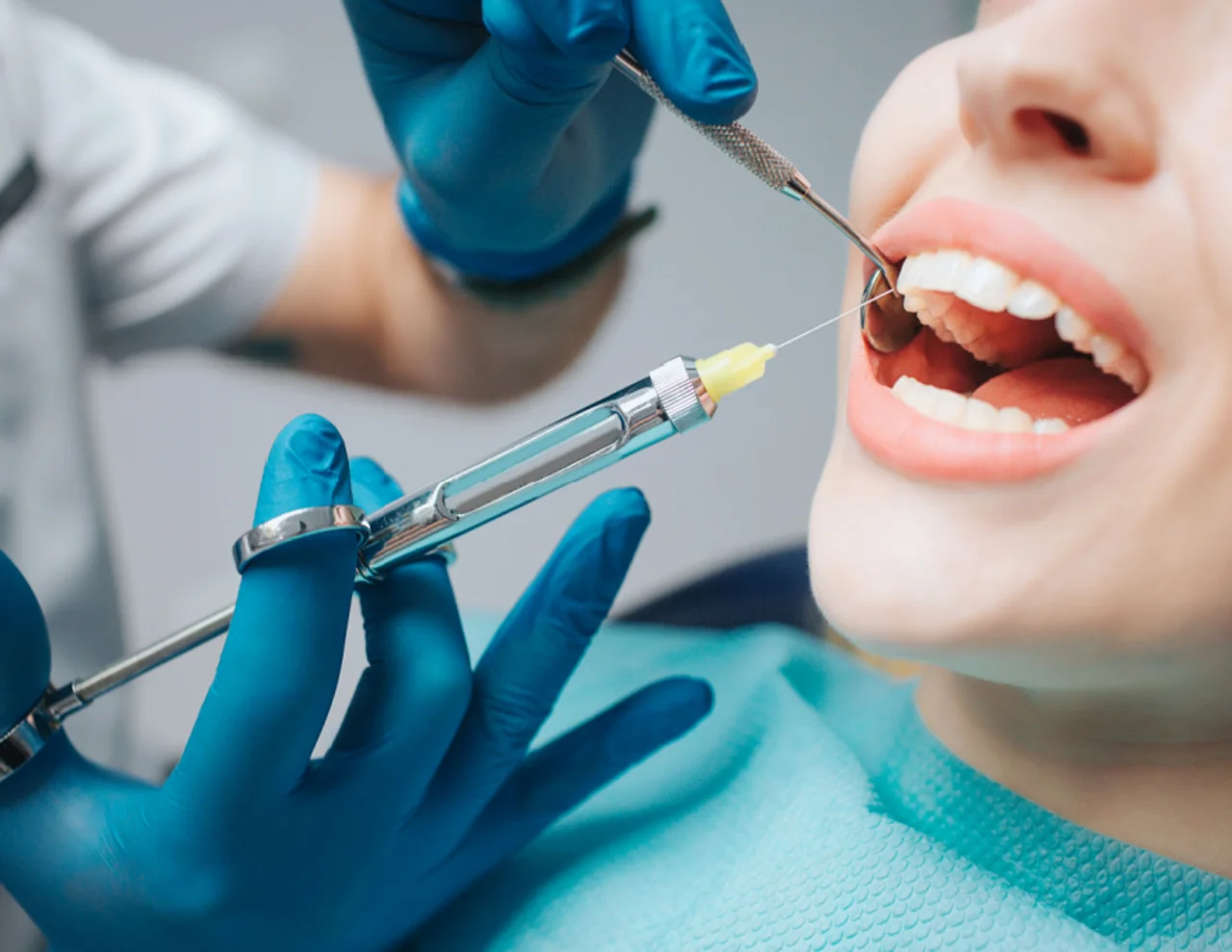
Korean Dental Anesthesia Market: Projected $80M Revenue by 2035
In the rapidly evolving landscape of South Korean healthcare, patient comfort has transitioned from a luxury to a baseline expectation.
Learn More
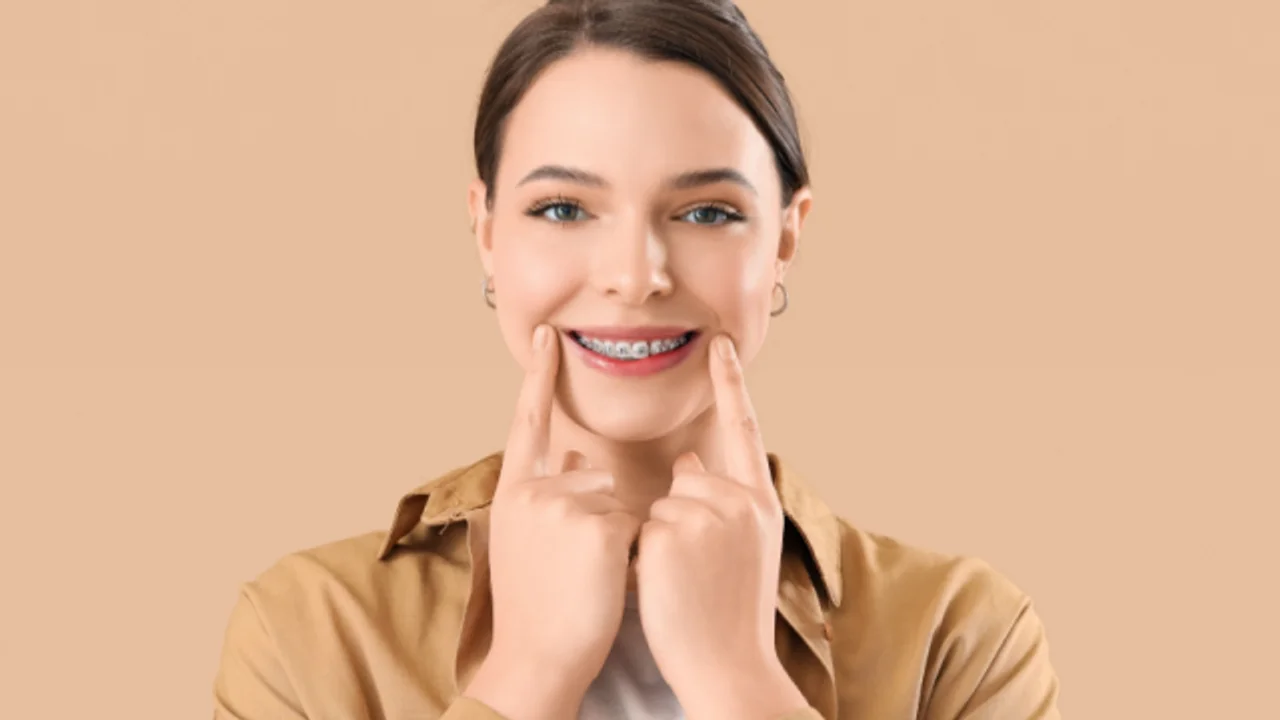
Why Non-Surgical Orthodontics Reduces Long-Term Dental Costs
The landscape of dental care in South Korea is shifting rapidly as patients increasingly prioritize long-term functional health over quick aesthetic fixes.
Learn More
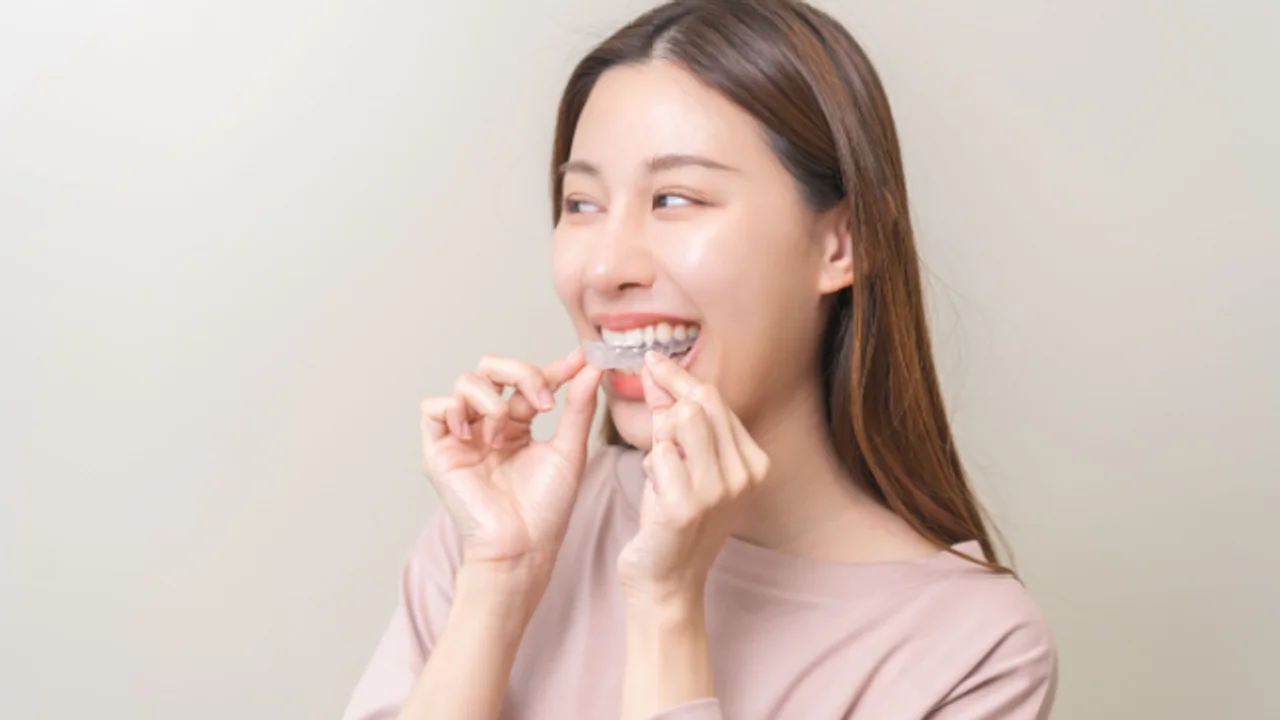
Comparing Orthodontic Treatment Fees: Korea vs Japan Benchmarks
The decision to pursue orthodontic treatment is a long-term investment in both oral health and facial aesthetics. For patients in the Asia-Pacific region, South Korea and Japan represent the two most prominent hubs for advanced dental care.
Learn More