Advanced Orthodontics, Implants & Cosmetic Dentistry in Gangnam, Seoul · International Patient Concierge

Dental Guide
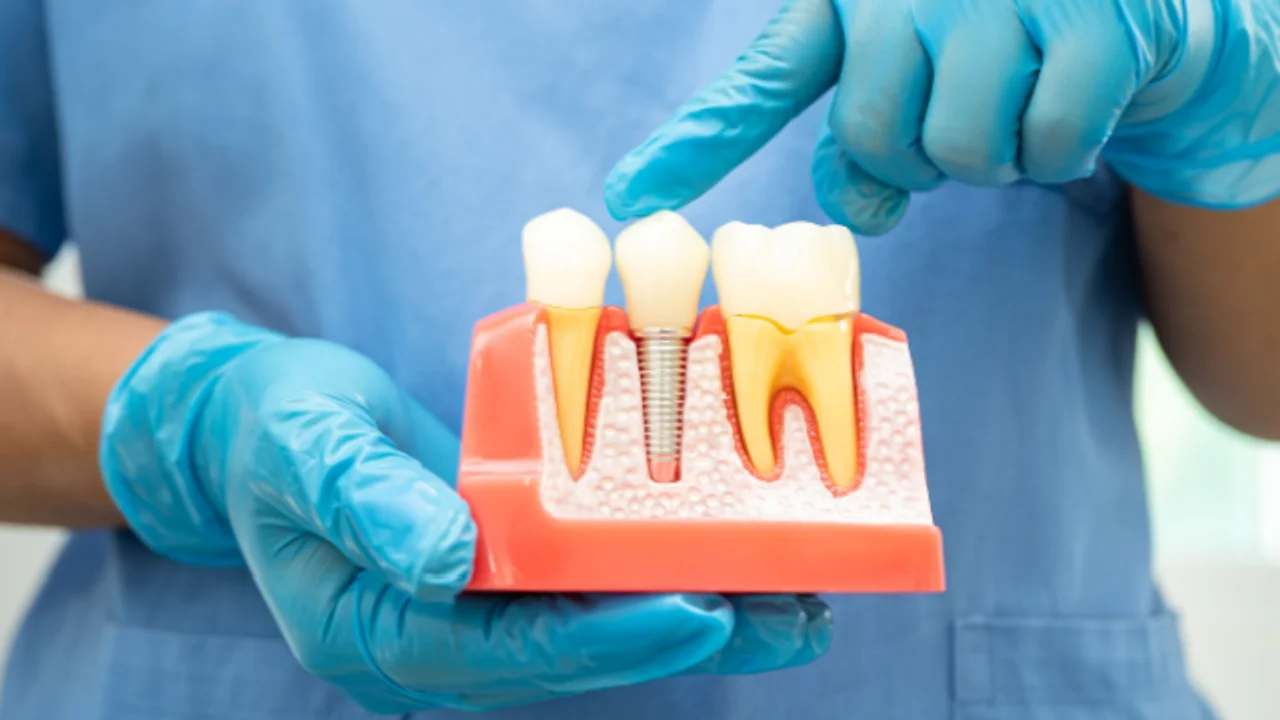
Seoul Dental Clinics: Global Hub for Safe Computer-Guided Implants
The landscape of dental restoration in South Korea has undergone a seismic shift toward high-precision digital technology.
Schedule a ConsultationThe landscape of dental restoration in South Korea has undergone a seismic shift toward high-precision digital technology. As the Korean dental implant market continues to expand—projected to maintain a significant portion of the Asia-Pacific market share through 2030—patient demand has moved beyond basic tooth replacement toward "zero-error" outcomes. According to various Korean healthcare market reports, the adoption of digital dentistry in Seoul clinics has grown by over 20% annually, driven by a domestic population that prioritizes fast recovery and technological transparency.
For both local residents and the growing number of international patients visiting Smile View Dental , the focus is no longer just on if an implant can be placed, but how accurately it is positioned. This article explores the data-driven shift toward Computer-Guided Dental Implant Surgery in Korea and why it has become the gold standard for patients aged 30–70 seeking long-term oral health.
Why is Computer-Guided Dental Implant Surgery in Korea Rising in Popularity?
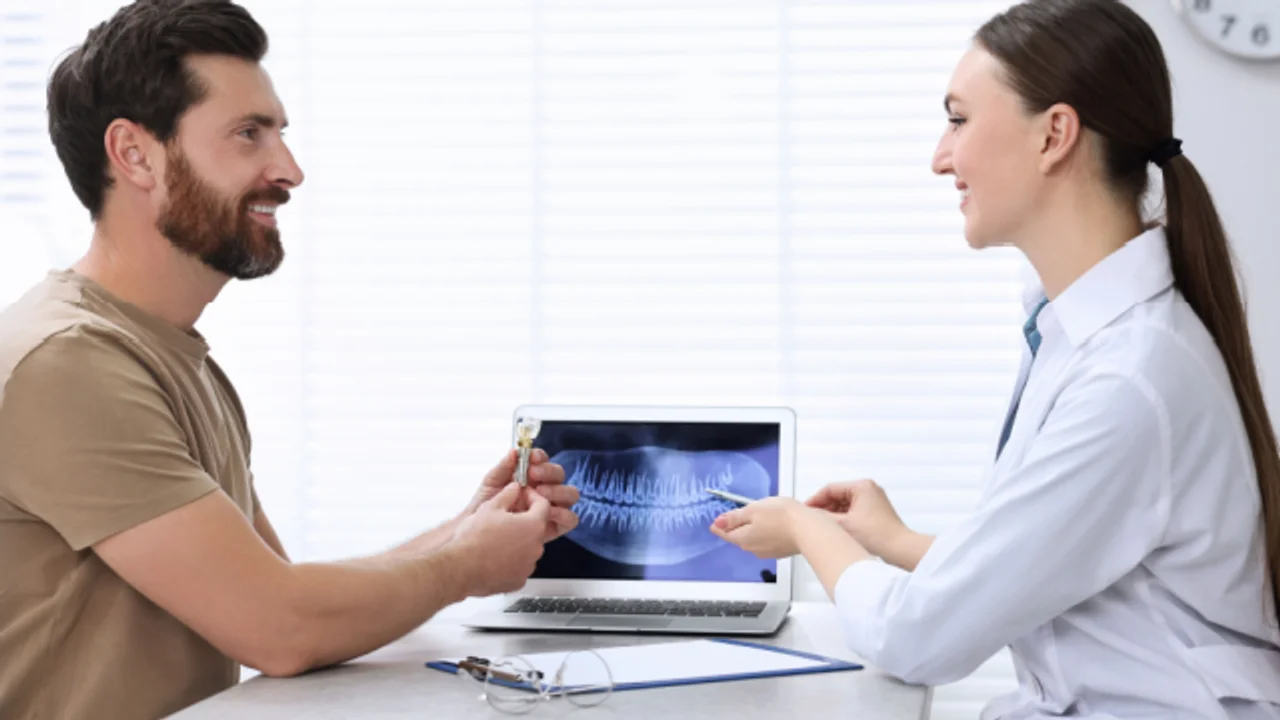
In South Korea, tooth loss affects approximately 30% of adults over the age of 65 in at least one quadrant of the mouth. Traditional "freehand" surgery, while established, relies heavily on the surgeon's line-of-sight and tactile feedback. In contrast, Computer-Guided Dental Implant Surgery utilizes a "map-first" approach.
What are the main benefits of guided surgery?
- Safety: 3D imaging identifies the exact location of the mandibular nerve and maxillary sinuses, virtually eliminating the risk of accidental contact.
- Precision: Implants are placed within 0.1mm of the digital plan.
- Speed: Actual chair time is often reduced by 30-50% because the "navigational path" is pre-determined.
Current Standard Approaches vs. Digital Limitations
Before the widespread availability of digital guides, most clinics in Korea utilized traditional panoramic X-rays and manual drilling. While effective in simple cases, these methods present specific challenges for complex restorations.
Common Pain Points in Traditional Implant Care:
- Invasive Incisions: Freehand surgery often requires larger "flaps" (gum cutting) to give the doctor a better view of the bone.
- Higher Swelling: Larger incisions lead to increased post-operative inflammation and longer recovery times.
- Prosthetic Alignment: If an implant is slightly tilted during manual placement, the final crown may look unnatural or be harder to clean.
The Advanced Approach: Computer-Guided Precision
How Computer-Guided Surgery Works
Is Computer-Guided Surgery in Korea worth the extra cost?
Data & Outcomes: Anchoring Success in Numbers
More Dental Articles
Continue reading our clinical dental guides.
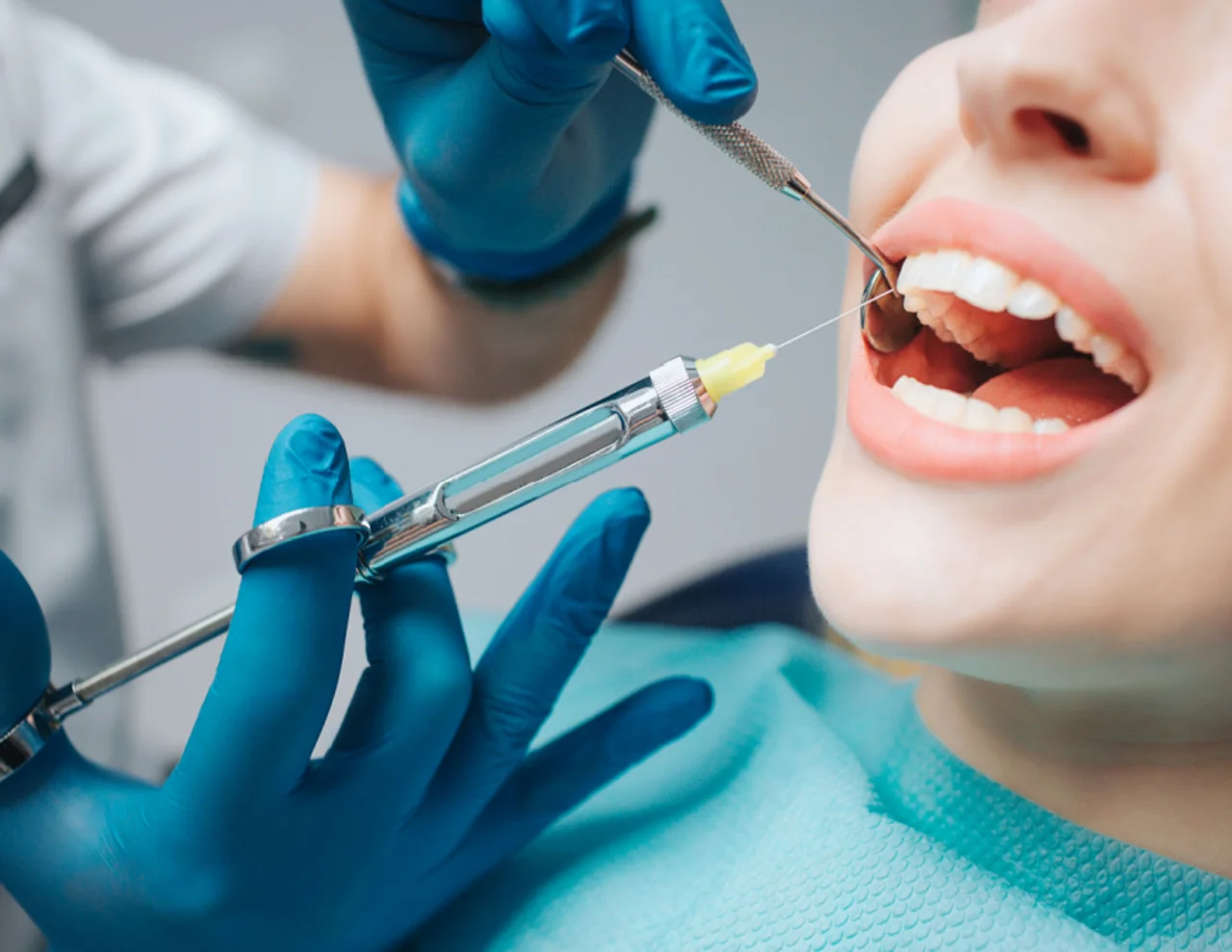
Korean Dental Anesthesia Market: Projected $80M Revenue by 2035
In the rapidly evolving landscape of South Korean healthcare, patient comfort has transitioned from a luxury to a baseline expectation.
Learn More

Why Non-Surgical Orthodontics Reduces Long-Term Dental Costs
The landscape of dental care in South Korea is shifting rapidly as patients increasingly prioritize long-term functional health over quick aesthetic fixes.
Learn More

Comparing Orthodontic Treatment Fees: Korea vs Japan Benchmarks
The decision to pursue orthodontic treatment is a long-term investment in both oral health and facial aesthetics. For patients in the Asia-Pacific region, South Korea and Japan represent the two most prominent hubs for advanced dental care.
Learn More