Advanced Orthodontics, Implants & Cosmetic Dentistry in Gangnam, Seoul · International Patient Concierge

Dental Guide
Orthodontic Benchmarks: Invisalign Success Rates in Korea Clinics
The landscape of orthodontic care in South Korea has undergone a seismic shift toward digital dentistry.
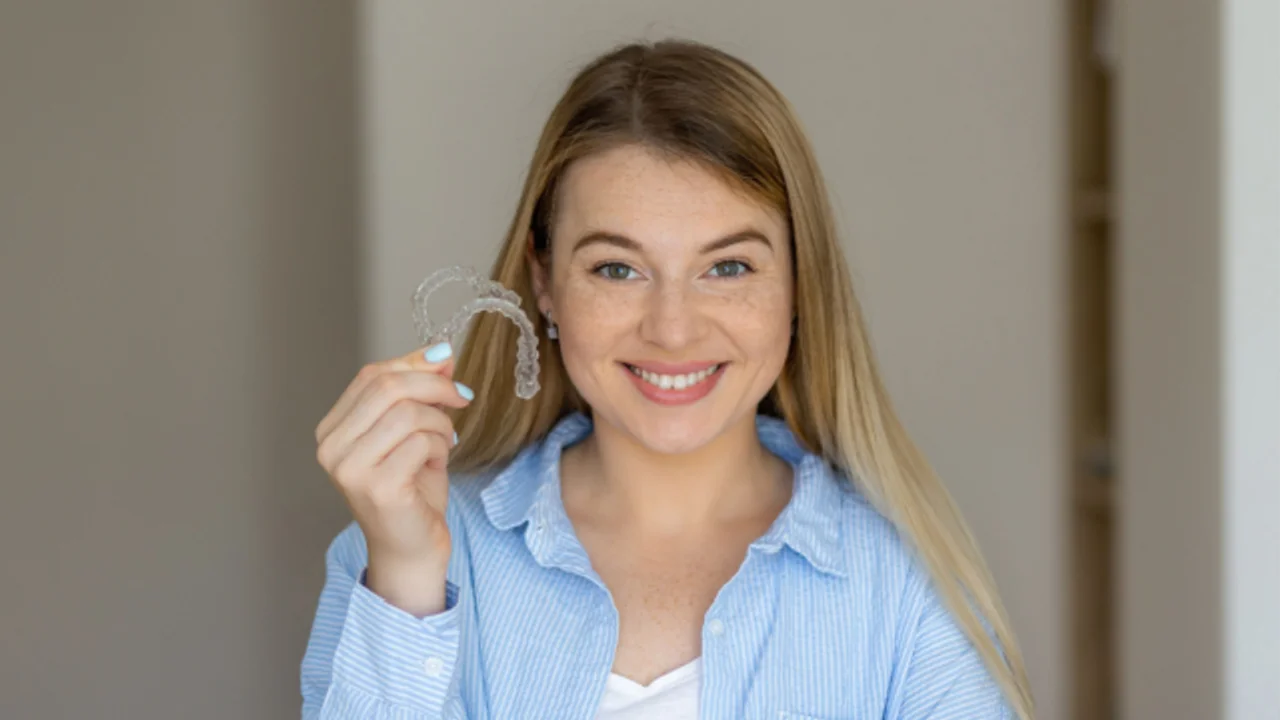
Schedule a ConsultationThe landscape of orthodontic care in South Korea has undergone a seismic shift toward digital dentistry. According to recent Korean dental market reports, the clear aligner market in Korea is projected to grow at a CAGR of approximately 12% through 2030, driven by an aging population seeking "silver orthodontics" and a professional workforce that prioritizes aesthetics during treatment. At Smile View Dental , we recognize that while traditional braces remain a staple, the demand for high-precision, tech-driven solutions like Invisalign has become the primary choice for patients seeking to balance clinical outcomes with lifestyle flexibility.
With nearly 25% of the Korean population experiencing some form of malocclusion (misaligned teeth), the shift toward "invisible" treatments is not merely a trend—it is a response to the local need for minimally invasive, efficient dental correction.
Invisalign in Korea: Benefits, Risks, and Ideal Candidates

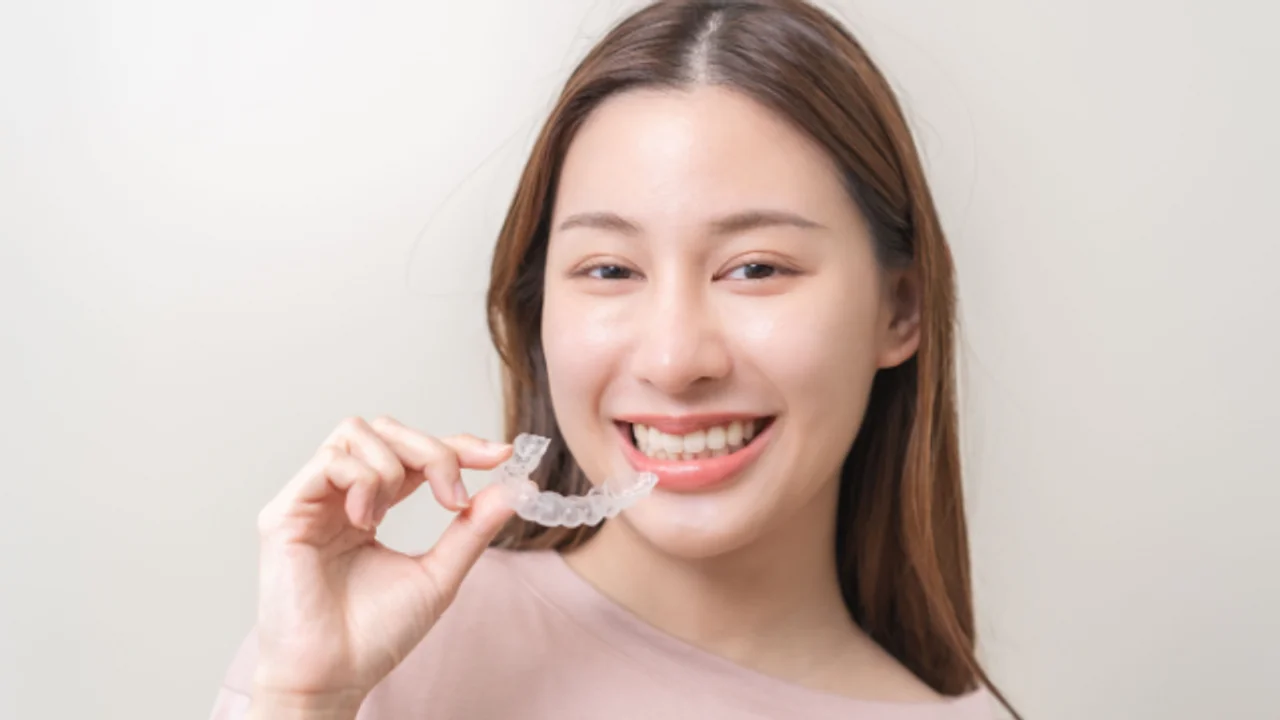
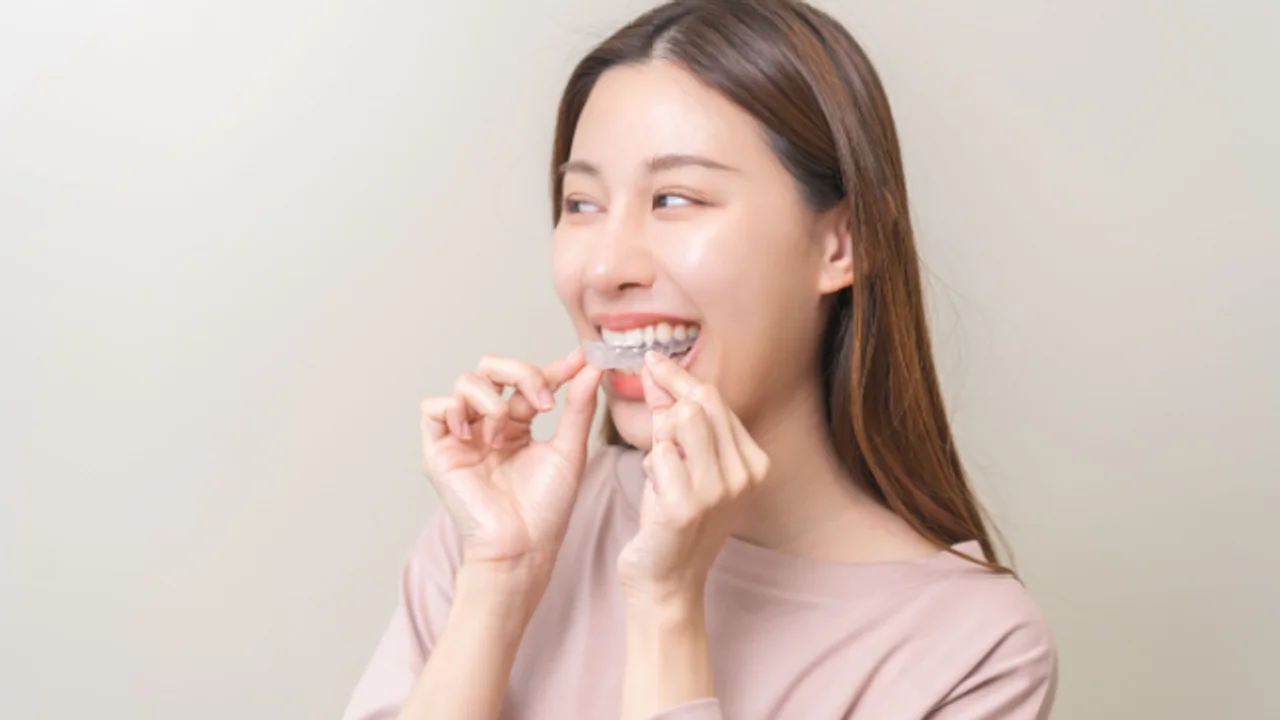
For many Korean patients, the decision to undergo **orthodontic treatment ** is often weighed against professional social obligations. ** Invisalign** offers a distinct advantage by using SmartTrack material—a proprietary multilayer polymer—to apply gentle, constant force.
Who is the Ideal Candidate?
- Professionals and Students: Those who require a discreet appearance for meetings or social interactions.
- Relapse Cases: Adults in Korea who had braces in their youth but have seen teeth shift due to aging or lack of retainer use.
- Complex Malocclusions: While once reserved for simple crowding, advanced AI-driven protocols now allow Invisalign to treat overbites, underbites, and crossbites.
What are the Potential Risks?
- Compliance Dependency: The success rate is directly tied to the patient wearing the aligners for 20–22 hours per day.
- Initial Discomfort: Temporary pressure as the teeth begin their programmed movement.
Orthodontic Treatment Costs and Outcomes in Korea
Traditional orthodontic paths in Korea typically involve metal or ceramic brackets. While effective, these methods often come with higher "hidden costs" related to emergency visits for broken wires and longer chair-time.
Current Standard Approaches & Limitations
| **Feature ** | ** Traditional Braces (Metal/Ceramic)** | ** Standard Clear Aligners (Generic)** |
|---|---|---|
| Average Cost (Korea) | ₩3,000,000 – ₩6,000,000 | ₩2,000,000 – ₩5,000,000 |
| Emergency Visits | High (Broken wires/brackets) | Low |
| Hygiene | Difficult (Risk of decalcification) | Easy (Removable) |
| Predictability | Manual adjustment by doctor | Variable |
Common Pain Points in Traditional Care:
How AI-Assisted Planning Works
More Dental Articles
Continue reading our clinical dental guides.
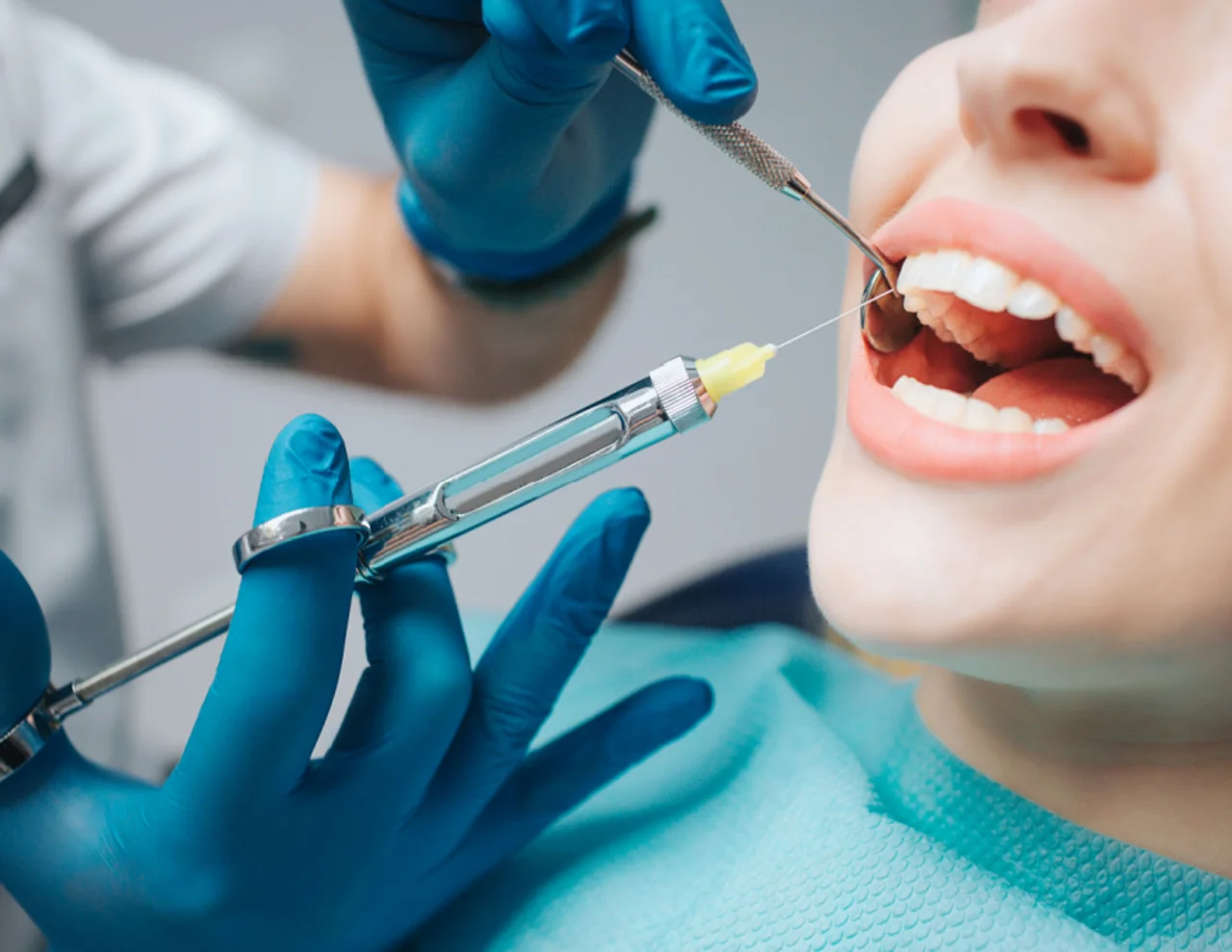
Korean Dental Anesthesia Market: Projected $80M Revenue by 2035
In the rapidly evolving landscape of South Korean healthcare, patient comfort has transitioned from a luxury to a baseline expectation.
Learn More
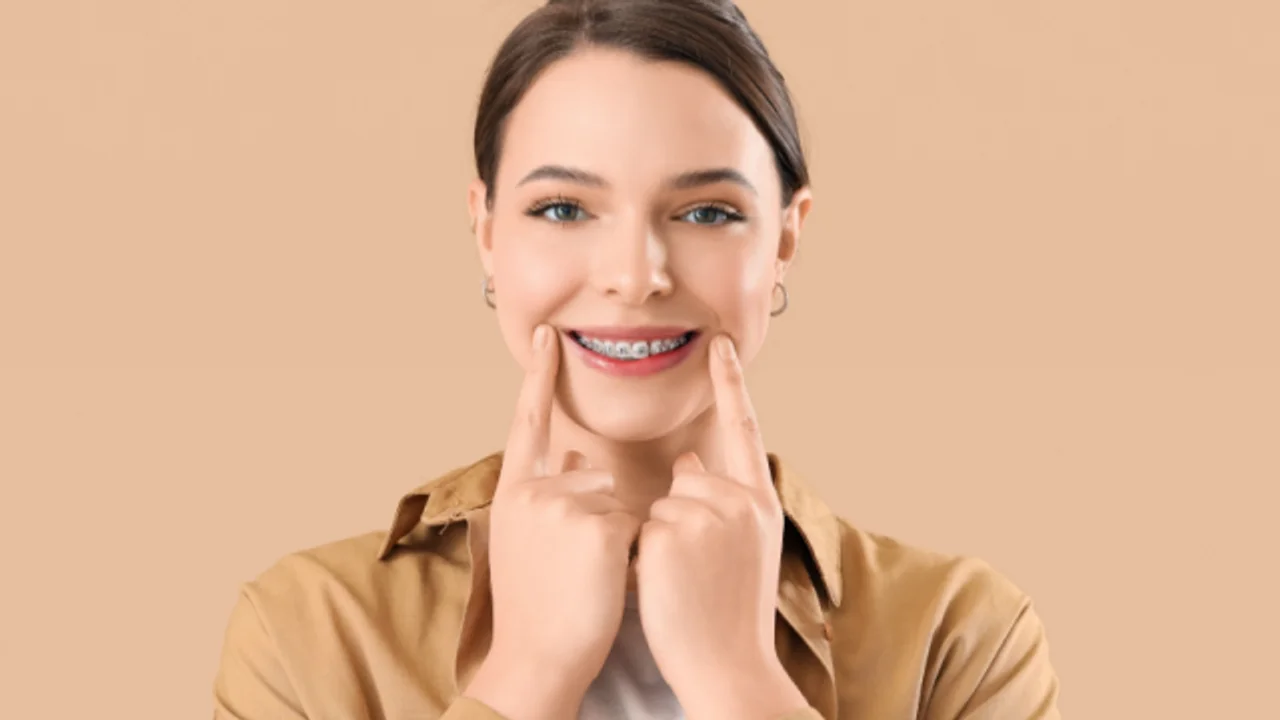
Why Non-Surgical Orthodontics Reduces Long-Term Dental Costs
The landscape of dental care in South Korea is shifting rapidly as patients increasingly prioritize long-term functional health over quick aesthetic fixes.
Learn More
Comparing Orthodontic Treatment Fees: Korea vs Japan Benchmarks
The decision to pursue orthodontic treatment is a long-term investment in both oral health and facial aesthetics. For patients in the Asia-Pacific region, South Korea and Japan represent the two most prominent hubs for advanced dental care.
Learn More