Advanced Orthodontics, Implants & Cosmetic Dentistry in Gangnam, Seoul · International Patient Concierge


Dental Guide
Dental Implant with Bone Grafting: Higher Success Rates in Seoul Dental Clinics
The demand for advanced oral reconstruction has risen significantly over the last decade. In South Korea, severe alveolar bone loss—often caused by prolonged tooth loss, advanced periodontal disease, or trauma—presents a major hurdle for successful tooth restoration.
Schedule a ConsultationThe demand for advanced oral reconstruction has risen significantly over the last decade. In South Korea, severe alveolar bone loss—often caused by prolonged tooth loss, advanced periodontal disease, or trauma—presents a major hurdle for successful tooth restoration. According to Korean epidemiological reviews on oral health, structural jawbone deficiencies affect a notable portion of adults over 50 requiring restorative care. For these individuals, a standard implant often lacks the foundational support needed for long-term stability.
To address this challenge, specialized dental clinics in Seoul, such as **Smile View Dental **, have pioneered high-precision protocols that pair a ** dental implant with bone grafting**. By utilizing advanced bone augmentation materials alongside digital surgical guides, these clinics can reconstruct lost bone volume, significantly increasing implant survival rates. Data from international dental market reports indicate that the South Korean dental implant and bone graft substitute market is expanding rapidly, driven by high domestic adoption rates and an influx of international medical tourists seeking predictable, high-tech oral surgery.
This data-driven insights report outlines the structural challenges of jawbone atrophy, compares standard implantation with advanced bone grafting protocols, and explores how modern technology helps patients achieve durable, functional, and highly aesthetic outcomes.
Why Bone Volume Matters for a Dental Implant with Bone Grafting in Korea

What is Alveolar Bone Atrophy?
When a natural tooth is lost, the surrounding alveolar bone no longer receives functional stimulation from chewing. This triggers a biological process known as resorption, where the jawbone gradually shrinks in both height and width. If an implant is placed into an atrophic jaw without adequate bone volume, it risks failure, nerve damage, or exposure of the titanium post.
Who is an Ideal Candidate for this Combined Protocol?
A dental implant with bone grafting is typically indicated for individuals experiencing:
- Prolonged Tooth Loss: Patients who delayed treatment after an extraction, allowing significant bone resorption to occur.
- Severe Periodontics: Individuals with a history of advanced gum disease that eroded the underlying skeletal structure.
- Sinus Proximity: Patients missing upper back teeth where the maxillary sinus cavity has expanded downward, leaving insufficient bone height.
Dental Implant with Bone Grafting Cost and Outcomes in Korea
A common question among local and international patients is whether the additional step of bone augmentation justifies the initial investment.
1. Traditional Dentures or Bridges
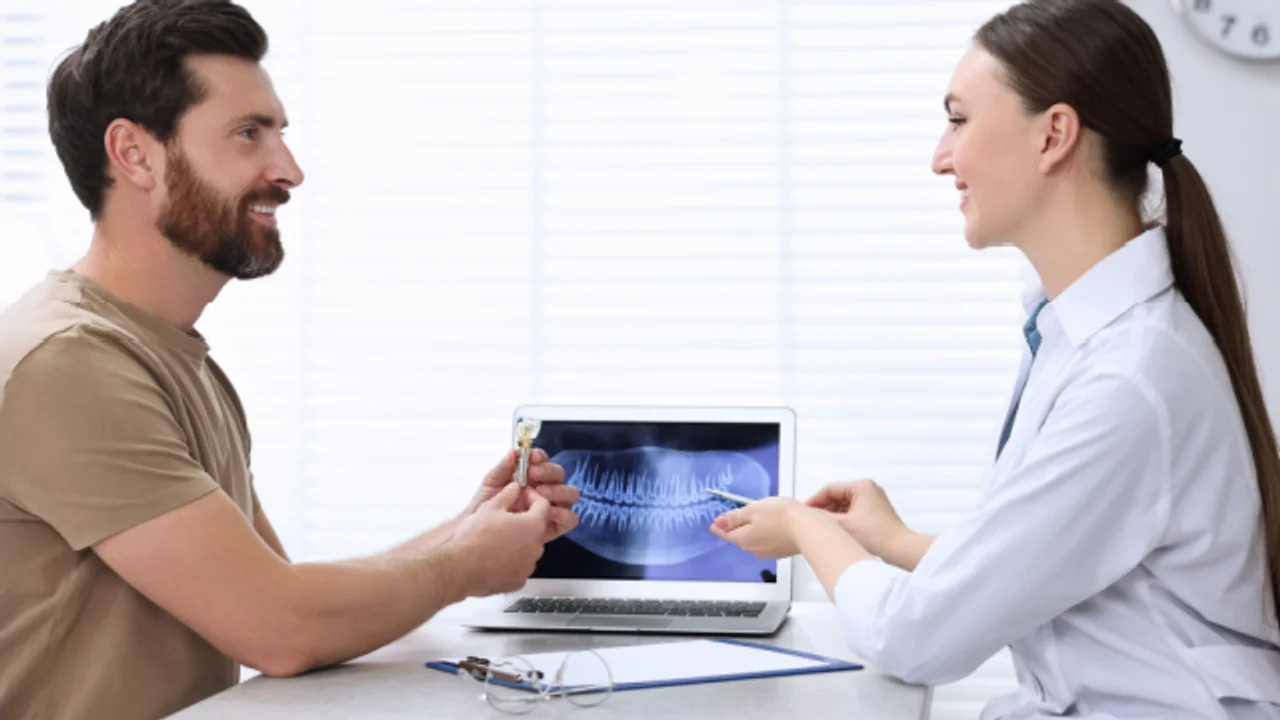
More Dental Articles
Continue reading our clinical dental guides.
Korean Dental Anesthesia Market: Projected $80M Revenue by 2035
In the rapidly evolving landscape of South Korean healthcare, patient comfort has transitioned from a luxury to a baseline expectation.
Learn More

Why Non-Surgical Orthodontics Reduces Long-Term Dental Costs
The landscape of dental care in South Korea is shifting rapidly as patients increasingly prioritize long-term functional health over quick aesthetic fixes.
Learn More
Comparing Orthodontic Treatment Fees: Korea vs Japan Benchmarks
The decision to pursue orthodontic treatment is a long-term investment in both oral health and facial aesthetics. For patients in the Asia-Pacific region, South Korea and Japan represent the two most prominent hubs for advanced dental care.
Learn More