Advanced Orthodontics, Implants & Cosmetic Dentistry in Gangnam, Seoul · International Patient Concierge

Dental Guide
Why Your Dental Bridge Might Be Failing
Discover why your dental bridge might be failing, from poor fit to gum issues. Learn the warning signs and how to fix or prevent bridge failure today.
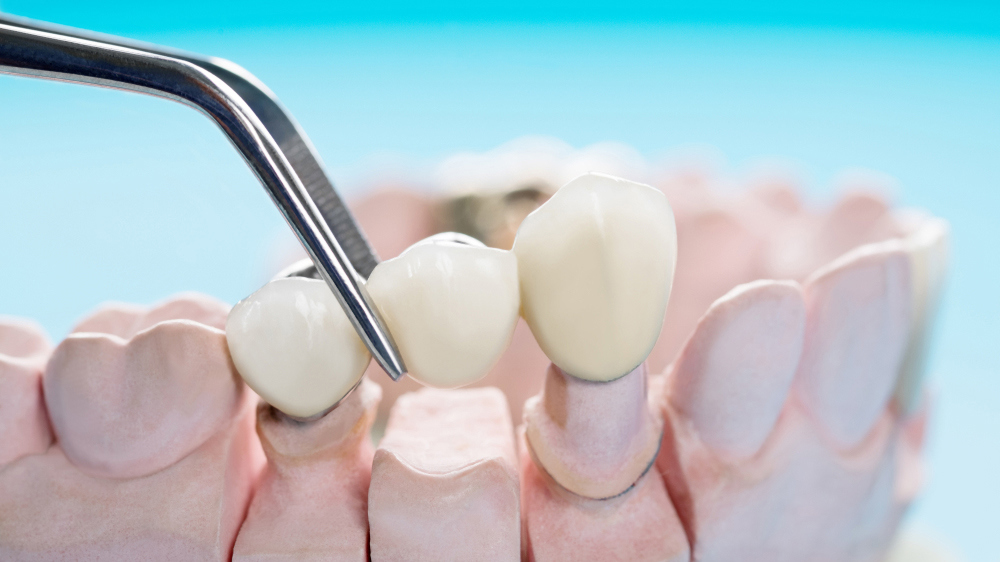
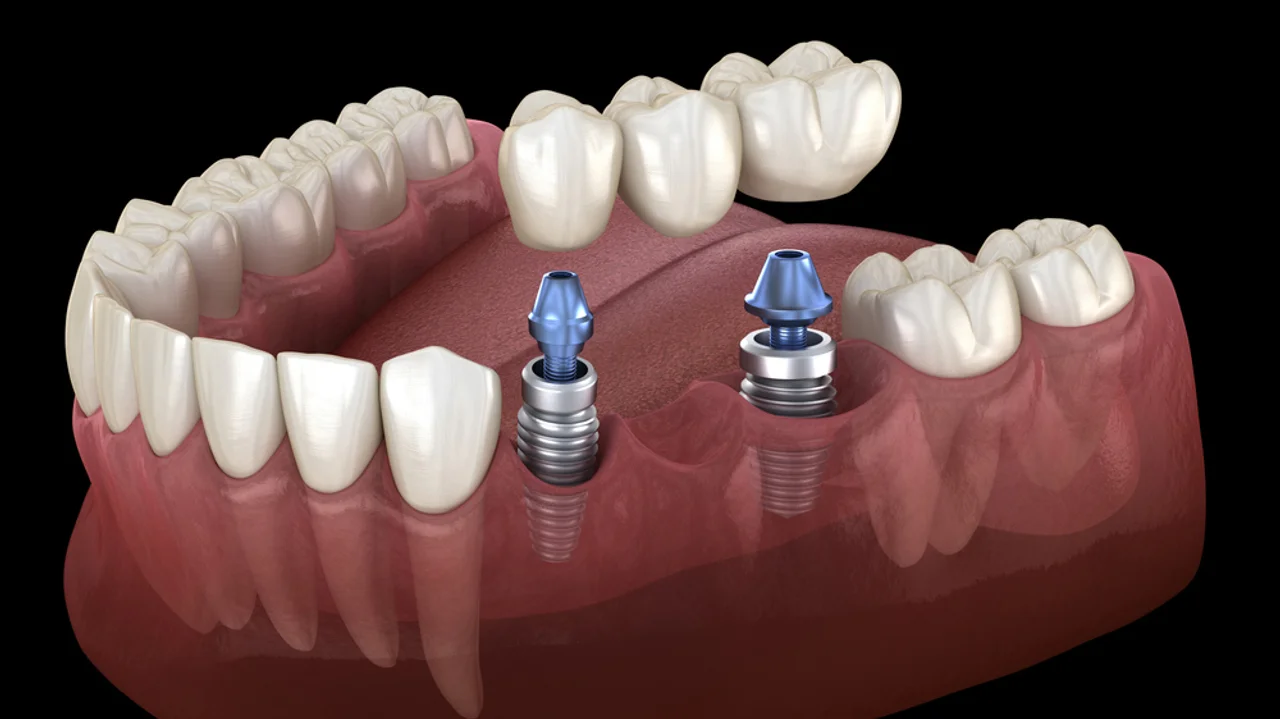
Schedule a ConsultationIntroduction: When a “Fixed” Smile Starts to Feel Unstable\n\n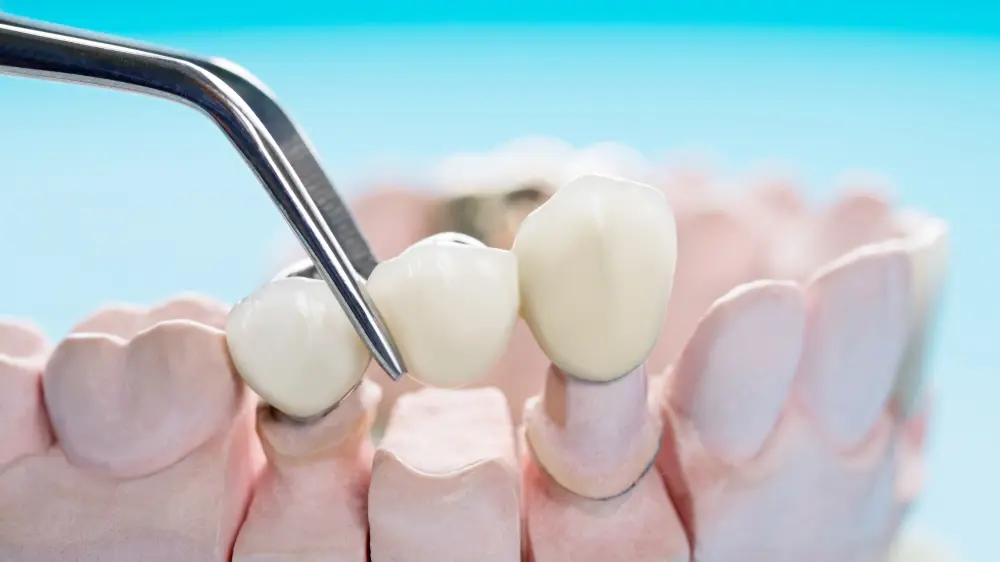 \n\nYou remember how it felt the day your dental bridge was placed. For the first time in months, you could smile without hesitation and chew comfortably again. The mirror reflected a complete, natural-looking set of teeth—and the anxiety of that gap was finally gone.\n\nBut now, a few years later, something feels off. Food gets trapped more often. Your bite feels slightly uneven. You notice a faint line near the gums that wasn’t there before. Perhaps there’s even occasional sensitivity when you chew on one side.\n\nIt’s frustrating—and more common than you might think.\n\nAt Smile View Dental Clinic in Gangnam, we frequently meet patients who walk in with the same concern: “My bridge used to be perfect, but now something’s not right.” Some worry the bridge is loose; others fear they may lose more teeth. What many don’t realize is that bridge failure is rarely about the bridge alone.\n\nBehind most failing restorations lies a deeper biomechanical or biological imbalance—something that wasn’t fully diagnosed or addressed during the original treatment.\n\nIn this article, we’ll explore why dental bridges fail, how to recognize early warning signs, and how modern, precision-driven dentistry can not only restore your bridge—but restore the harmony of your entire smile system.\n\n## What Is a Dental Bridge—and Why Precision Matters?\n\nA dental bridge replaces one or more missing teeth by anchoring artificial teeth (called pontics) between two supporting teeth or implants (abutments). It’s called a “bridge” because, quite literally, it spans the gap created by missing teeth—connecting one side of your mouth to the other.\n\n### There are several types:\n\n- Traditional bridges, supported by crowns on both sides\n\n- Cantilever bridges, anchored on one side only\n\n- Maryland bridges, using bonded wings instead of full crowns\n\n- Implant-supported bridges, where the bridge is attached to dental implants rather than natural teeth\n\nEach has its place, depending on your oral condition, bite, and bone structure. But all share one requirement: precise engineering.\n\nThink of your mouth as an orchestra. If one instrument is out of tune, the entire performance suffers. Similarly, when a bridge isn’t properly balanced within your bite, it can throw off the delicate harmony between teeth, muscles, and joints—leading to damage over time.\n\n## Poor Fit or Bite Alignment: The Invisible Stress Factor\n\n- Microscopic cracks in the porcelain\n\n- Loosening of the cement bond\n\n- Bone loss around abutment teeth\n\n### You might notice:\n\n
 \n\n

More Dental Articles
Continue reading our clinical dental guides.
Korean Dental Anesthesia Market: Projected $80M Revenue by 2035
In the rapidly evolving landscape of South Korean healthcare, patient comfort has transitioned from a luxury to a baseline expectation.
Learn More

Why Non-Surgical Orthodontics Reduces Long-Term Dental Costs
The landscape of dental care in South Korea is shifting rapidly as patients increasingly prioritize long-term functional health over quick aesthetic fixes.
Learn More

Comparing Orthodontic Treatment Fees: Korea vs Japan Benchmarks
The decision to pursue orthodontic treatment is a long-term investment in both oral health and facial aesthetics. For patients in the Asia-Pacific region, South Korea and Japan represent the two most prominent hubs for advanced dental care.
Learn More