Advanced Orthodontics, Implants & Cosmetic Dentistry in Gangnam, Seoul · International Patient Concierge


Dental Guide
Why TMJ Is Often Misdiagnosed—And How to Catch It Early
Discover why TMJ is often misdiagnosed, the key symptoms to watch for, and how early detection can prevent chronic pain. Learn more and take control today!
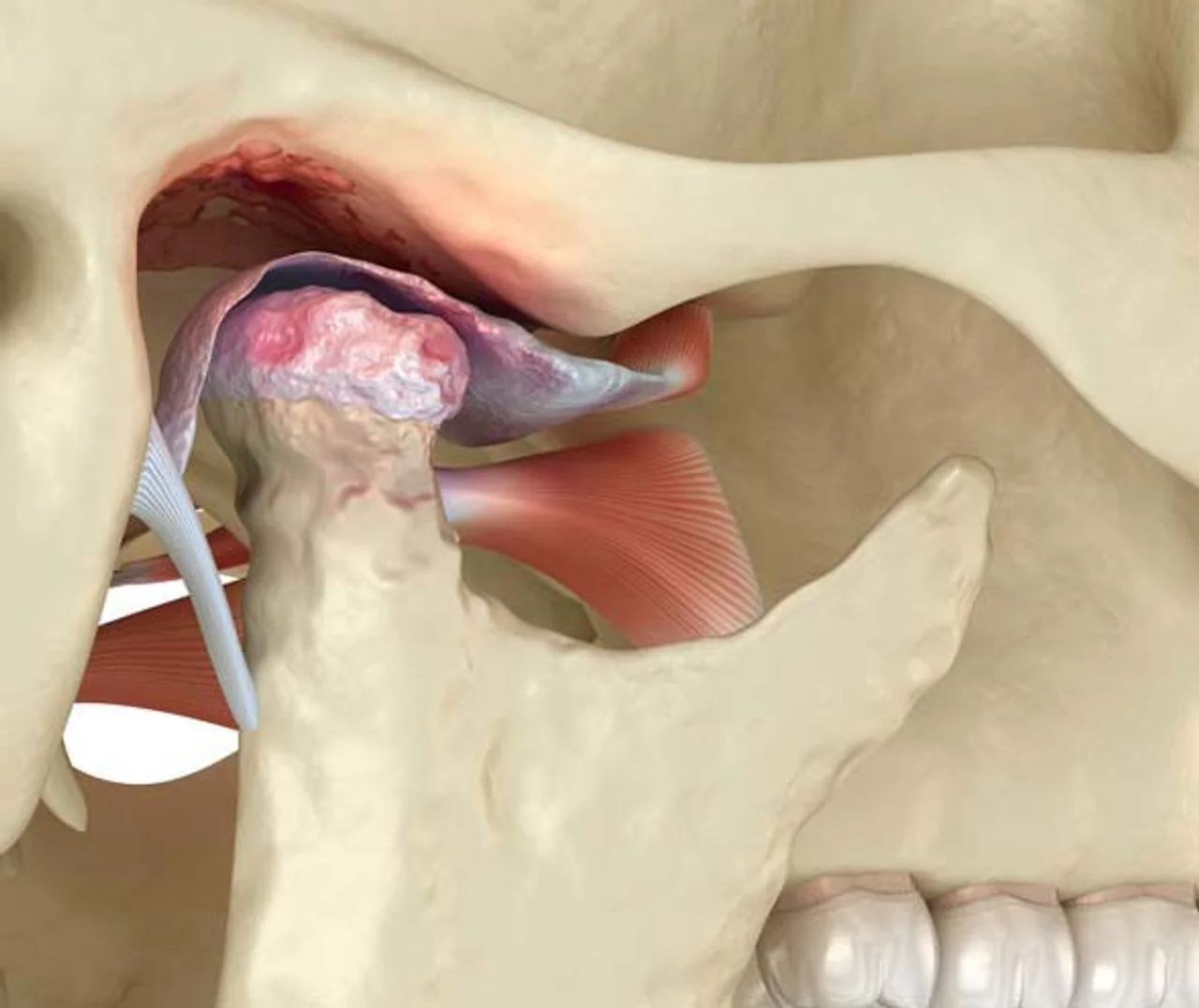
Schedule a ConsultationIntroduction\n\n \n\nImagine waking up each morning with a dull ache in your jaw, a persistent headache behind your eyes, or an inexplicable pressure in your ears. You might visit a neurologist, assuming it's a migraine. Or an ENT, suspecting an inner ear issue. Perhaps even a chiropractor, thinking it’s a postural problem. But what if the source of all these seemingly unrelated symptoms was something as small—and as crucial—as the hinge connecting your jaw to your skull?\n\nTMJ disorders are more common than most people realize and often go undiagnosed for years. At Smile View Dental Clinic in Gangnam-gu, Seoul, we frequently encounter patients who have struggled with chronic facial discomfort, muscle fatigue, or failed dental work—without ever being evaluated for TMJ dysfunction. This article unpacks why TMJ is so frequently overlooked, the risks of late detection, and the practical steps you can take to catch it early and treat it effectively.\n\n## What Is the TMJ and Why It Matters\n\nThe TMJ (temporomandibular joint) acts like a finely engineered hinge, connecting your lower jaw (mandible) to the temporal bones of your skull. It enables crucial functions like chewing, speaking, and yawning. Because it involves bones, discs, ligaments, and muscles, a problem in any component can cause widespread symptoms. It's a small joint with an outsized impact on your well-being.\n\nYou might be surprised to learn that TMJ disorders (TMDs) affect up to 10 million people worldwide, yet they are among the most misunderstood and misdiagnosed conditions in modern medicine and dentistry. Part of the confusion stems from the TMJ's complex anatomy and the overlapping symptoms it shares with other health conditions.\n\nMany of our patients in Gangnam—especially those who prioritize aesthetic dental treatments—are shocked to find out that their cosmetic concerns are tied to foundational bite or jaw issues. In fact, cosmetic and functional dental health are deeply intertwined. Addressing the TMJ is not just about alleviating pain—it’s also about laying the groundwork for a long-lasting, beautiful smile.\n\n## Why TMJ Disorders Are So Often Misdiagnosed\n\n
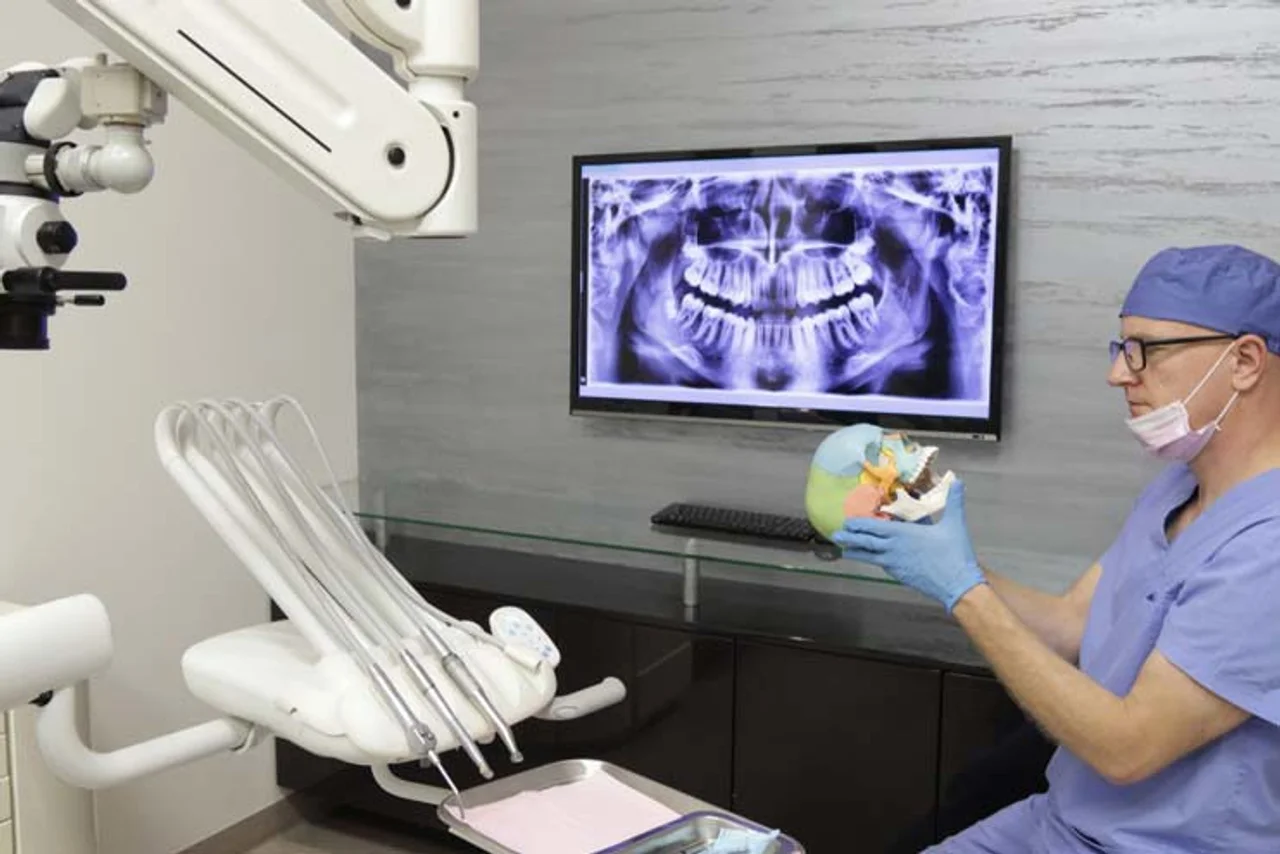 \n\n### 1. The Symptoms Mimic Other Conditions\n\nTMJ disorders don't always announce themselves with obvious jaw pain. Instead, they present as earaches, migraines, facial tension, even neck and shoulder discomfort. As a result, patients are often referred to ENT doctors, neurologists, or orthopedists before anyone considers the TMJ.\n\n### 2. Multifactorial Causes Make Diagnosis Tricky\n\n### 3. Limited Awareness Among Providers\n\n### 4. Diagnostic Tools Often Fall Short\n\n
More Dental Articles
Continue reading our clinical dental guides.
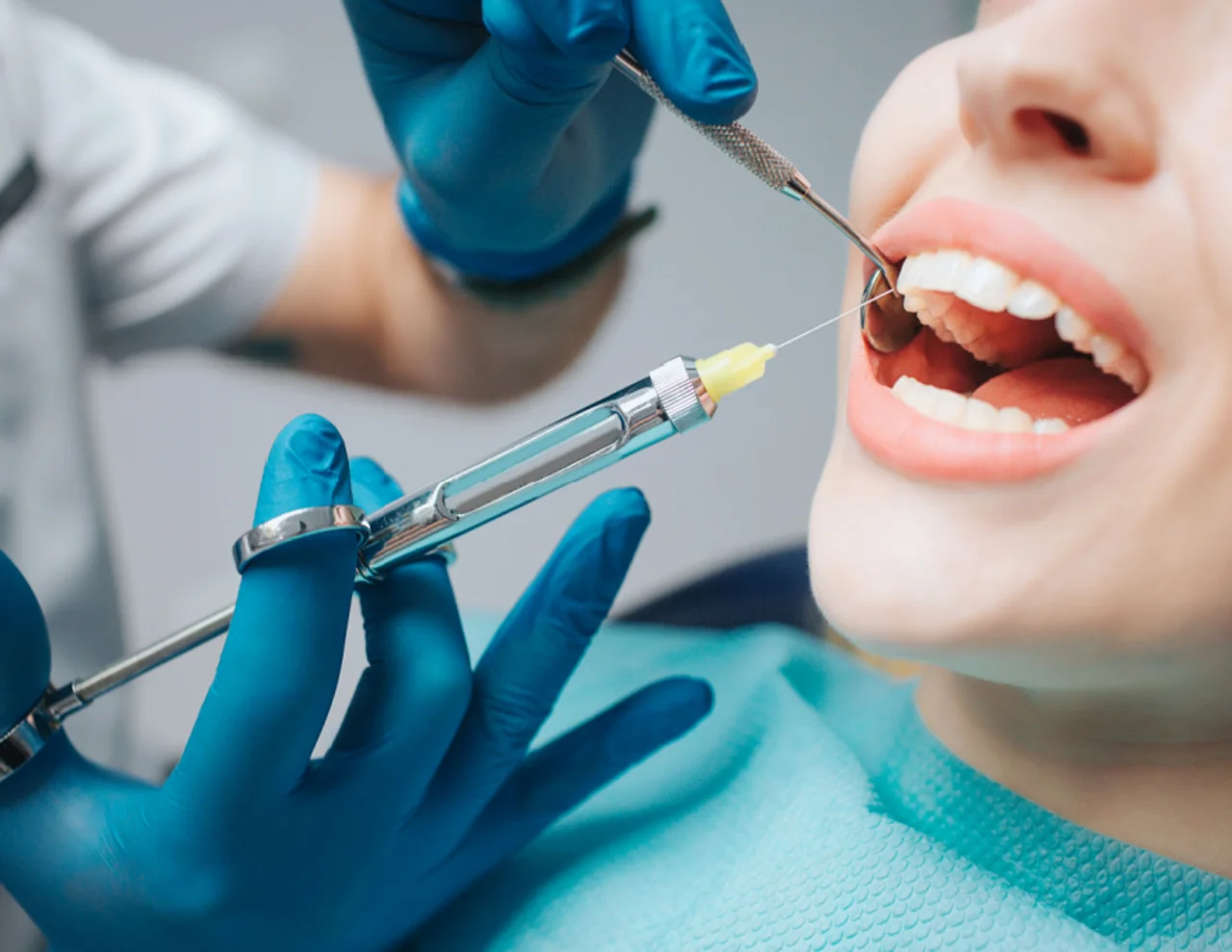
Korean Dental Anesthesia Market: Projected $80M Revenue by 2035
In the rapidly evolving landscape of South Korean healthcare, patient comfort has transitioned from a luxury to a baseline expectation.
Learn More

Why Non-Surgical Orthodontics Reduces Long-Term Dental Costs
The landscape of dental care in South Korea is shifting rapidly as patients increasingly prioritize long-term functional health over quick aesthetic fixes.
Learn More
Comparing Orthodontic Treatment Fees: Korea vs Japan Benchmarks
The decision to pursue orthodontic treatment is a long-term investment in both oral health and facial aesthetics. For patients in the Asia-Pacific region, South Korea and Japan represent the two most prominent hubs for advanced dental care.
Learn More