Advanced Orthodontics, Implants & Cosmetic Dentistry in Gangnam, Seoul · International Patient Concierge

Dental Guide
Why Some Patients Need Bone Grafts Before Implants
Discover why some patients need bone grafts before dental implants. Restore jaw strength for implant success. Learn more about this essential procedure today!
Schedule a ConsultationIntroduction
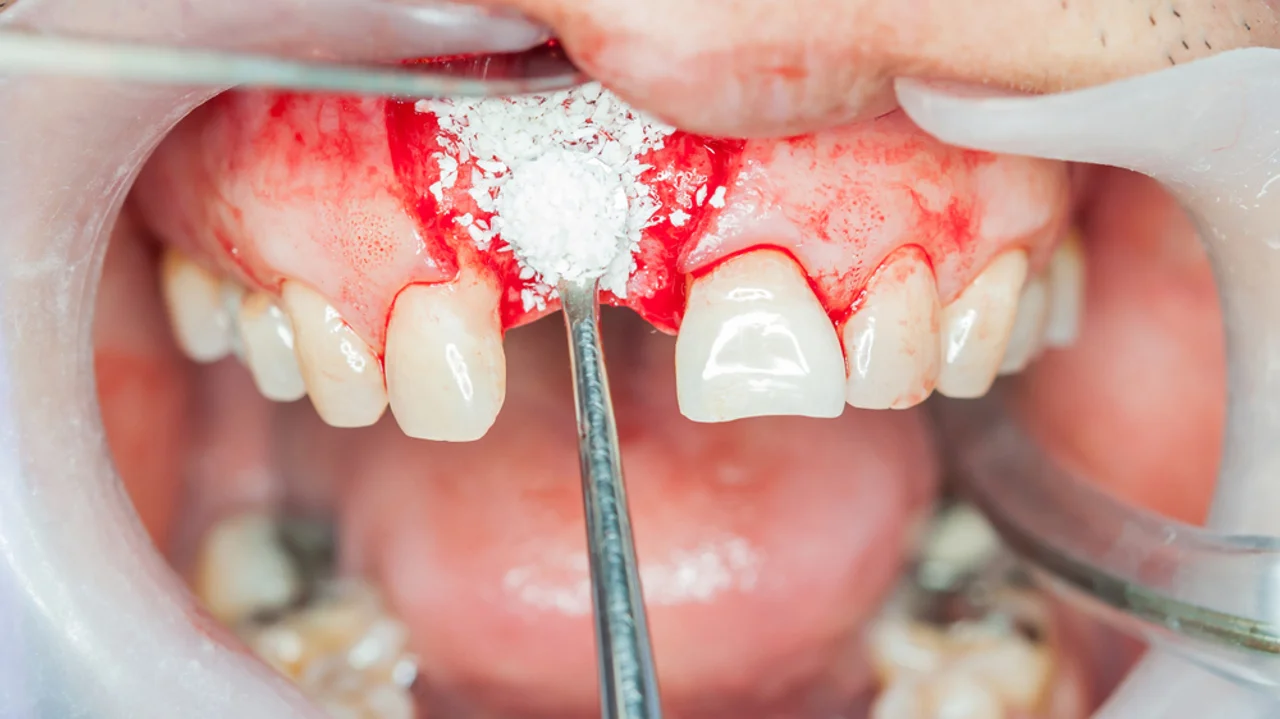
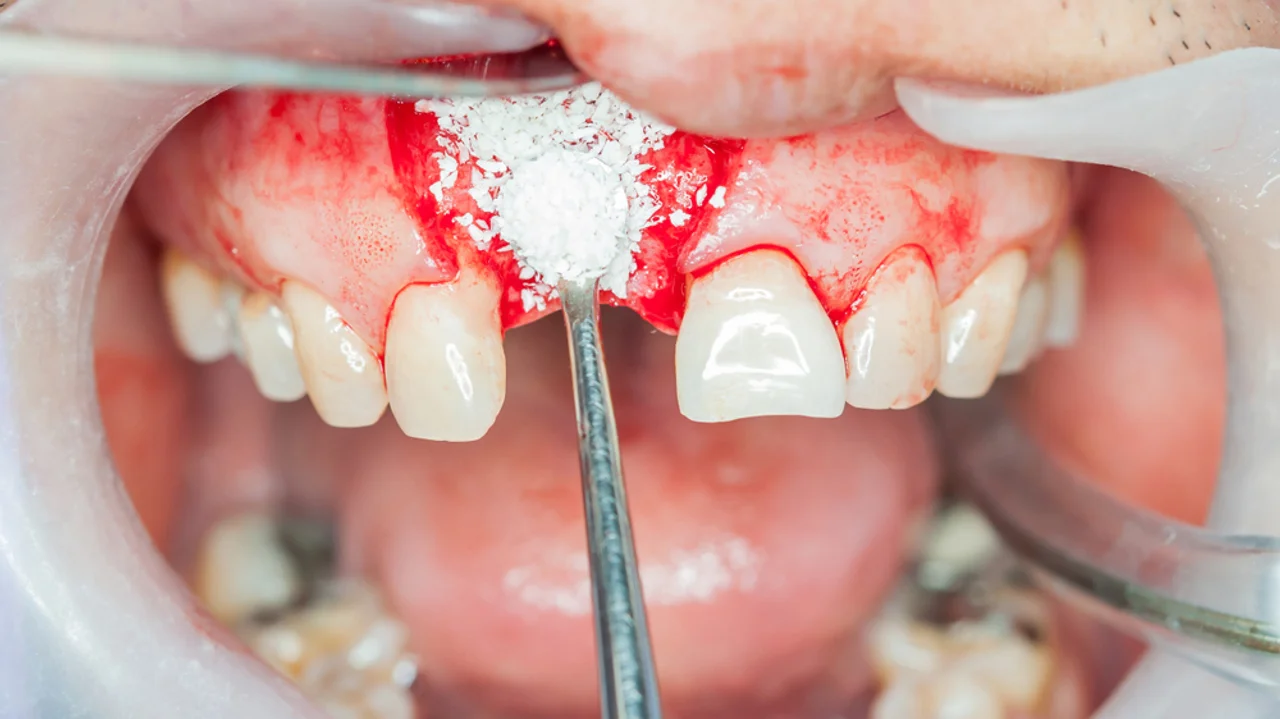
It often starts with a moment of hope: a patient in Gangnam, excited to restore their smile with dental implants, sits down for a consultation. They imagine the result—natural-looking teeth, confident speech, and the return of their favorite foods. But then, the dentist gently introduces a new term: bone grafting. The surprise is common. "Why would I need a bone graft?" many ask, assuming implants are a one-step solution. The truth is, for a significant number of patients, bone grafting is an essential step toward a stable, long-lasting smile.
Let’s explore why bone grafts are sometimes necessary before dental implants, and how they actually protect your investment in your future smile.
What Is a Bone Graft, Really?
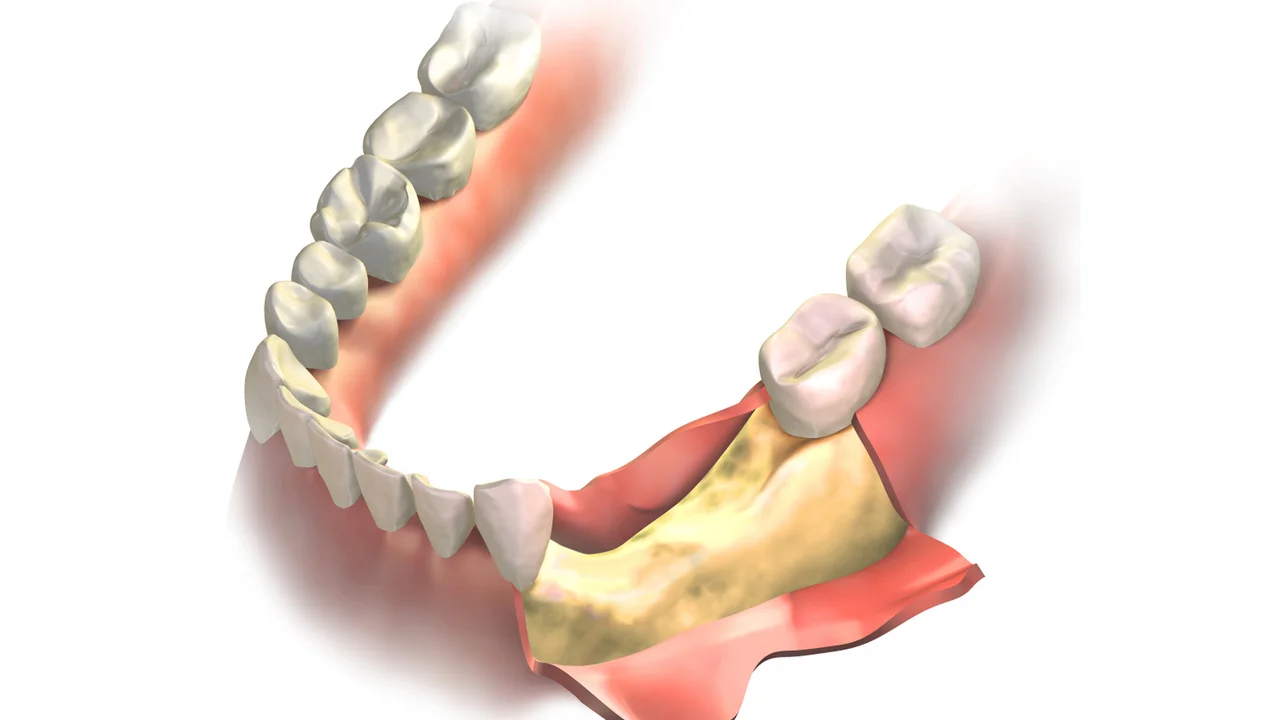
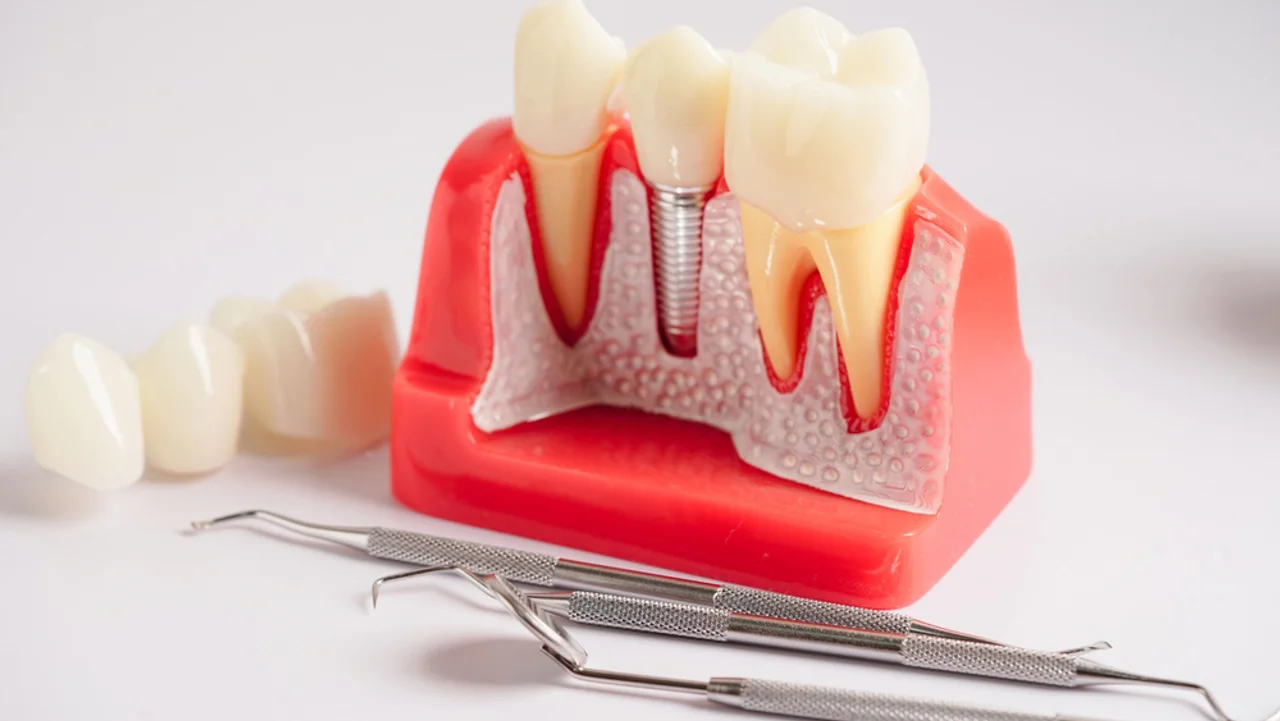
In simple terms, a bone graft is a procedure that helps rebuild or add volume to your jawbone. Why would your jaw need help? Because implants aren't like traditional crowns or bridges. They rely on a strong, dense foundation of bone to stay anchored. If the bone is too thin, soft, or has receded over time, placing an implant directly into it could lead to instability or failure.
A bone graft adds material—sometimes synthetic, sometimes from a donor source, or even from your own body—to encourage natural bone regeneration. Over time, your own body replaces the graft material with real, living bone. Think of it like preparing the soil before planting a tree. Without healthy ground, the roots can’t take hold.
This process doesn’t just restore bone. It restores opportunity—the opportunity to rebuild your smile with strength and confidence. Patients often assume their dental journey is over when they hear "bone graft," but in truth, it's just beginning. And with the right team, it can be seamless and surprisingly gentle.
Why Isn’t My Jawbone Ready for Implants?
This is the question that surprises many patients. After all, if you still have the shape of your gums and no visible deformity, shouldn't the bone be there? Not always. Bone loss is often invisible to the eye and painless—until it complicates treatment.
Here are the most common reasons patients may need bone grafting:
Tooth Loss Over Time: When a tooth is missing, the jawbone in that area is no longer stimulated by chewing forces. As a result, the body begins to resorb the bone, interpreting it as unnecessary.
Previous Extractions Without Implant Placement: Many extractions are done without immediate implant planning. Within a few months, the bone can begin shrinking, especially in the upper jaw.
How Bone Grafting Works (And Why It's Not as Scary as It Sounds)?
More Dental Articles
Continue reading our clinical dental guides.
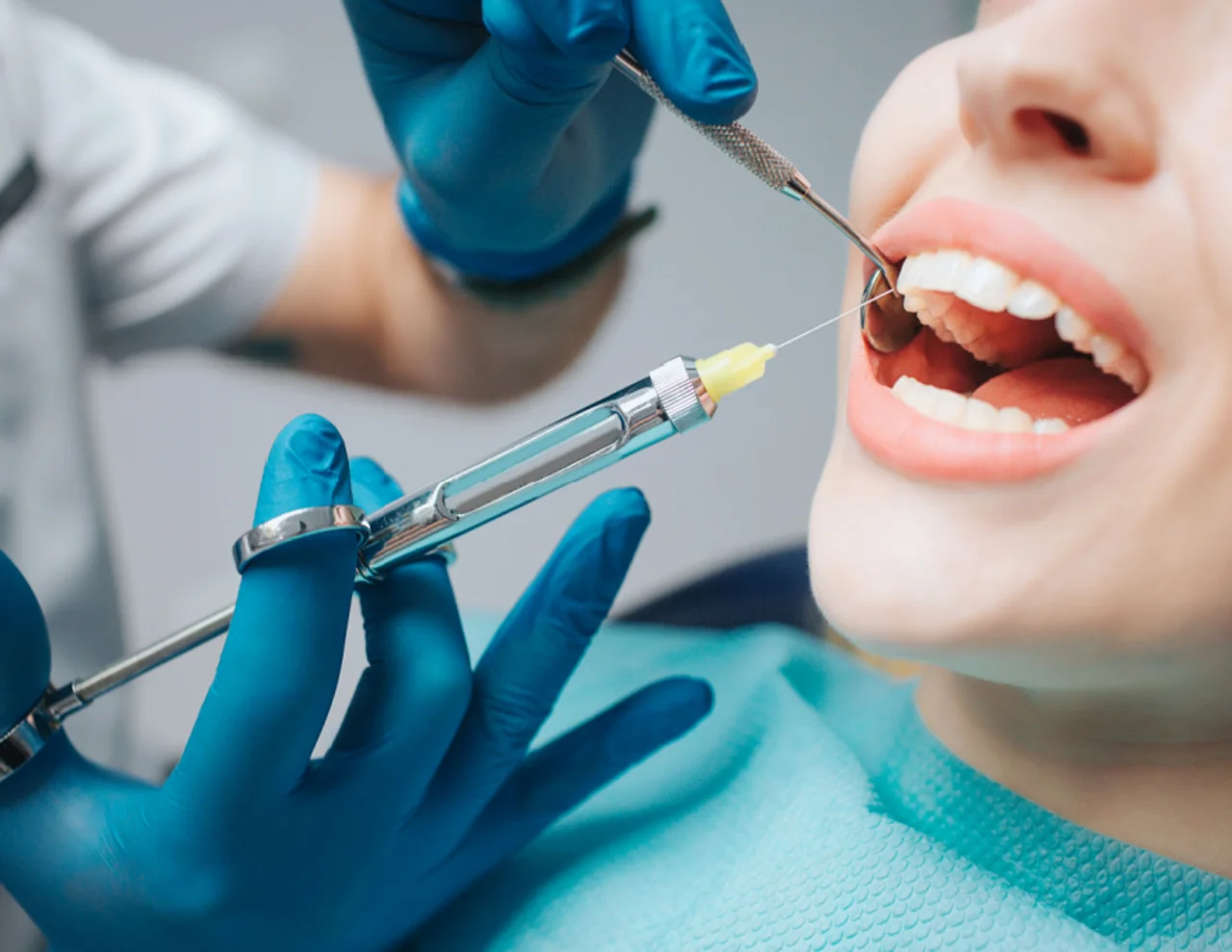
Korean Dental Anesthesia Market: Projected $80M Revenue by 2035
In the rapidly evolving landscape of South Korean healthcare, patient comfort has transitioned from a luxury to a baseline expectation.
Learn More

Why Non-Surgical Orthodontics Reduces Long-Term Dental Costs
The landscape of dental care in South Korea is shifting rapidly as patients increasingly prioritize long-term functional health over quick aesthetic fixes.
Learn More

Comparing Orthodontic Treatment Fees: Korea vs Japan Benchmarks
The decision to pursue orthodontic treatment is a long-term investment in both oral health and facial aesthetics. For patients in the Asia-Pacific region, South Korea and Japan represent the two most prominent hubs for advanced dental care.
Learn More