Advanced Orthodontics, Implants & Cosmetic Dentistry in Gangnam, Seoul · International Patient Concierge


Dental Guide
Why Pediatric Orthodontics Might Prevent Future Surgery
Discover how pediatric orthodontics can guide jaw growth, correct bite issues early, and help prevent future surgery. Learn more today!
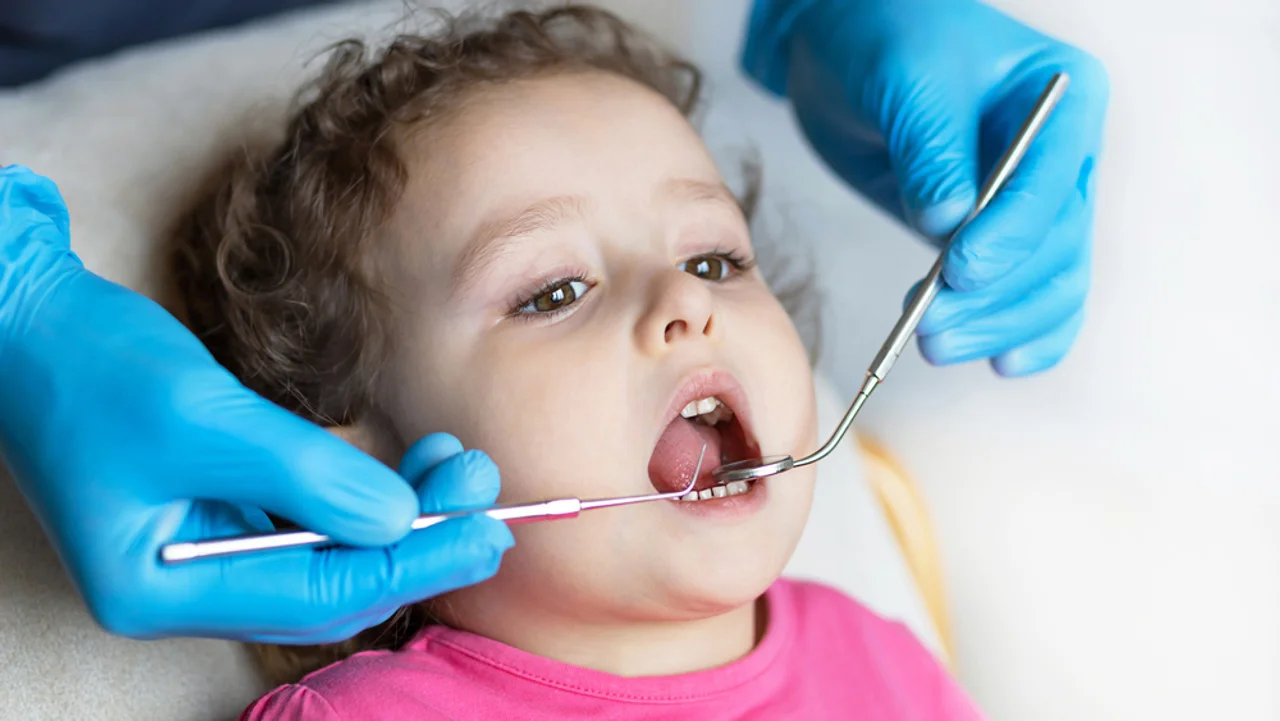
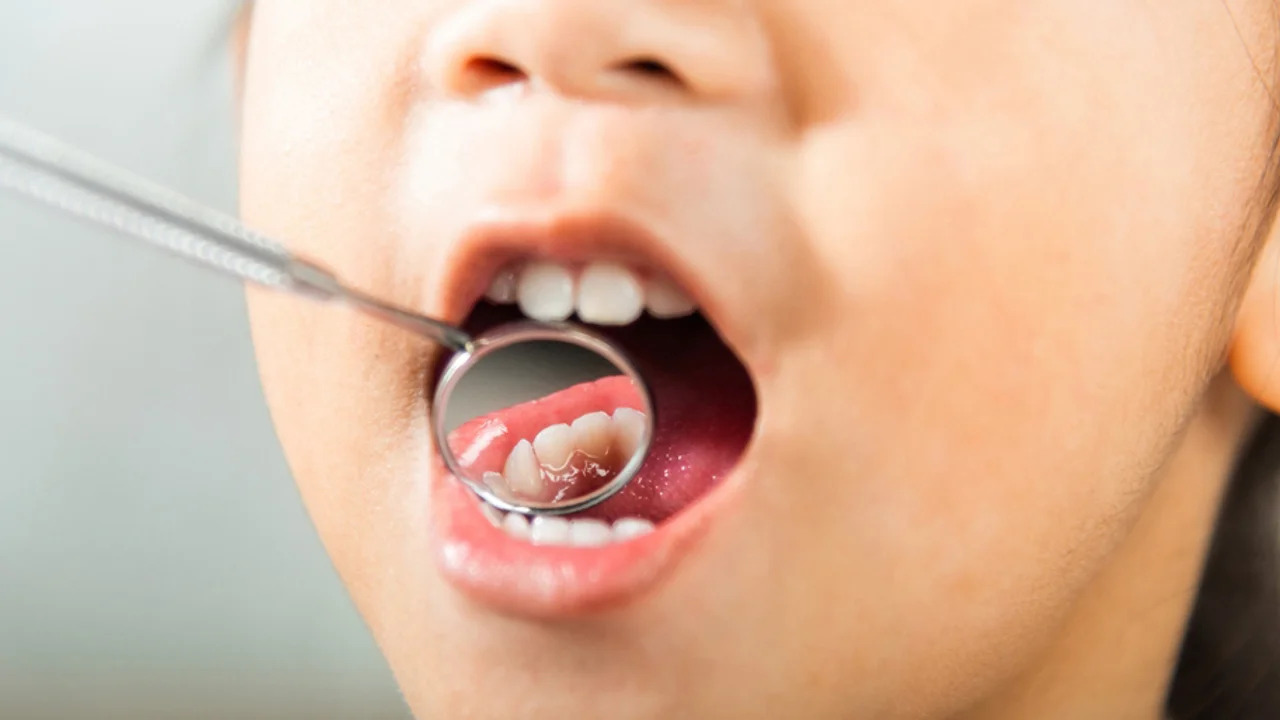
Schedule a ConsultationIntroduction: A Parent’s Dilemma\n\n \n\nImagine this: you’re sitting in the orthodontist’s office with your teenager, who has struggled with an underbite for years. The doctor gently explains that the only way to correct the issue now is jaw surgery—a complex procedure that requires hospitalization, months of recovery, and significant expense. You nod, but inside, your heart sinks.\n\nYou can’t help but wonder: could this have been prevented?\n\nAt Smile View Dental Clinic in Gangnam, we’ve met countless families facing this exact scenario. Some children develop crooked teeth or uneven jaw growth early, but parents often hope they will “grow out of it.” While natural growth can sometimes help minor issues, many skeletal problems only worsen with time. Left untreated, these misalignments may eventually require surgical correction.\n\nThe good news is that with pediatric orthodontics, many of these situations can be intercepted before they ever reach the surgical stage. By guiding the jaw and teeth during key growth years, orthodontists can reduce or even eliminate the need for invasive surgery later.\n\n## What Is Pediatric Orthodontics?\n\nPediatric orthodontics—sometimes called interceptive orthodontics—is a specialized phase of dental care aimed at children, usually between the ages of 6 and 12. This is when permanent teeth start erupting, but the jaw is still actively growing and therefore responsive to guidance.\n\nUnlike adult orthodontics, which focuses on moving teeth within fully developed bone, pediatric orthodontics leverages growth itself. The goal isn’t just to straighten teeth—it’s to guide the development of the jaws, bite, and facial symmetry.\n\n### Treatments may include:\n\n- Palatal expanders to widen a narrow upper jaw and create space for erupting teeth.\n\n- Functional appliances that encourage the lower jaw to grow forward or help align the bite.\n\n- Partial braces or space maintainers to manage crowding or lost baby teeth.\n\n- Habit correctors for thumb sucking or tongue thrusting, which can distort growth.\n\nA helpful analogy is to think of orthodontics as construction. Guiding a child’s bite early is like adjusting the framework of a house while it’s still being built. Waiting until the house is finished often means tearing down walls—or in dental terms, resorting to surgery.\n\n## Why Waiting Can Lead to Surgery?\n\nHere’s what often happens if problems go untreated:\n\n### 1. Skeletal Discrepancies Become Fixed\n\n### 2. Severe Crowding Causes Complications\n\n### 3. Facial Asymmetry Develops\n\n### 4. Functional Problems Arise\n\n
 \n\n
More Dental Articles
Continue reading our clinical dental guides.
Korean Dental Anesthesia Market: Projected $80M Revenue by 2035
In the rapidly evolving landscape of South Korean healthcare, patient comfort has transitioned from a luxury to a baseline expectation.
Learn More

Why Non-Surgical Orthodontics Reduces Long-Term Dental Costs
The landscape of dental care in South Korea is shifting rapidly as patients increasingly prioritize long-term functional health over quick aesthetic fixes.
Learn More

Comparing Orthodontic Treatment Fees: Korea vs Japan Benchmarks
The decision to pursue orthodontic treatment is a long-term investment in both oral health and facial aesthetics. For patients in the Asia-Pacific region, South Korea and Japan represent the two most prominent hubs for advanced dental care.
Learn More