Advanced Orthodontics, Implants & Cosmetic Dentistry in Gangnam, Seoul · International Patient Concierge

Dental Guide
Why Global Patients Choose Korea for Partial Orthodontic Treatment
South Korea has long been recognized as a global epicenter for medical and dental innovation. While full-mouth braces were once the only standard for malocclusion, a significant shift in patient demand has emerged.
Schedule a ConsultationSouth Korea has long been recognized as a global epicenter for medical and dental innovation. While full-mouth braces were once the only standard for malocclusion, a significant shift in patient demand has emerged. According to Korean dental market analysis reports, the demand for Partial Orthodontic Treatment has seen a steady rise, growing alongside the broader orthodontic market which is projected to expand at a CAGR of over 8% through 2030.
For international patients, the draw is not just the aesthetic outcome, but the integration of high-precision digital technology that makes "social six" alignment (focusing on the front teeth) faster and more affordable than in many Western countries or Japan. At Smile View Dental , we observe that patients are increasingly seeking "targeted" interventions—minimally invasive procedures that address specific crowding or spacing issues without the multi-year commitment of traditional comprehensive orthodontics.
Digital Precision in Korea: Benefits, Risks, and Ideal Candidates
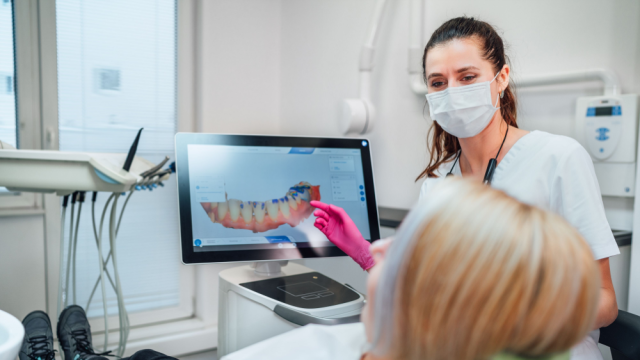
Partial Orthodontic Treatment in Korea is specifically designed for patients who do not require major bite (molar) corrections but wish to improve the alignment of their anterior teeth.
Who is the ideal candidate?
- Minor Crowding: Patients with overlapping front teeth that affect smile aesthetics.
- Gap Closure: Individuals looking to close small spaces (diastemas) in the "smile zone."
- Orthodontic Relapse: Adults who wore braces in their youth but have seen slight shifting due to lack of retainer use.
- Limited Timeline: Professionals or students who need results within 3 to 6 months rather than 2 years.
What are the risks?
While highly effective for aesthetics, partial treatment does not correct deep overbites or significant jaw discrepancies. A thorough digital screening is required to ensure that moving only the front teeth will not negatively impact the patient's existing functional occlusion (bite).
How Do Partial Orthodontic Costs and Outcomes Compare in Korea?
One of the primary drivers for medical tourism in Seoul is the cost-to-quality ratio. In many regions, orthodontic care is billed as a flat, high-cost package regardless of the complexity.
Typical Standard Approaches & Limitations
Historically, patients had limited options for minor adjustments:
- Full Braces: High cost ($4,000–$8,000+), long duration (18–24 months), and invasive for minor issues.
- Dental Veneers: Fast results but require the irreversible removal of healthy tooth enamel.
- Standard Retainers: Can hold teeth in place but lack the "active force" needed to move crowded teeth.
Common Patient Pain Points:
More Dental Articles
Continue reading our clinical dental guides.
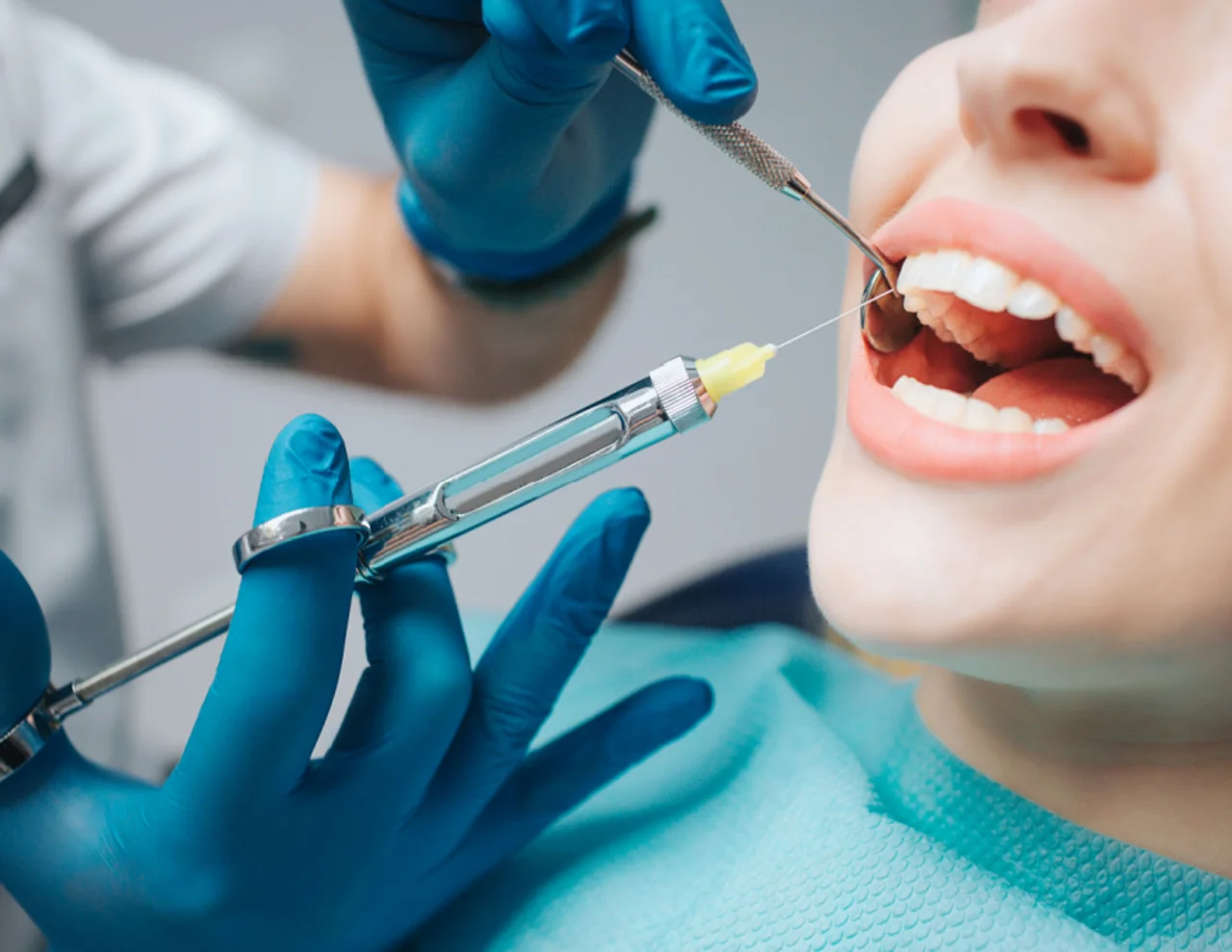
Korean Dental Anesthesia Market: Projected $80M Revenue by 2035
In the rapidly evolving landscape of South Korean healthcare, patient comfort has transitioned from a luxury to a baseline expectation.
Learn More

Why Non-Surgical Orthodontics Reduces Long-Term Dental Costs
The landscape of dental care in South Korea is shifting rapidly as patients increasingly prioritize long-term functional health over quick aesthetic fixes.
Learn More
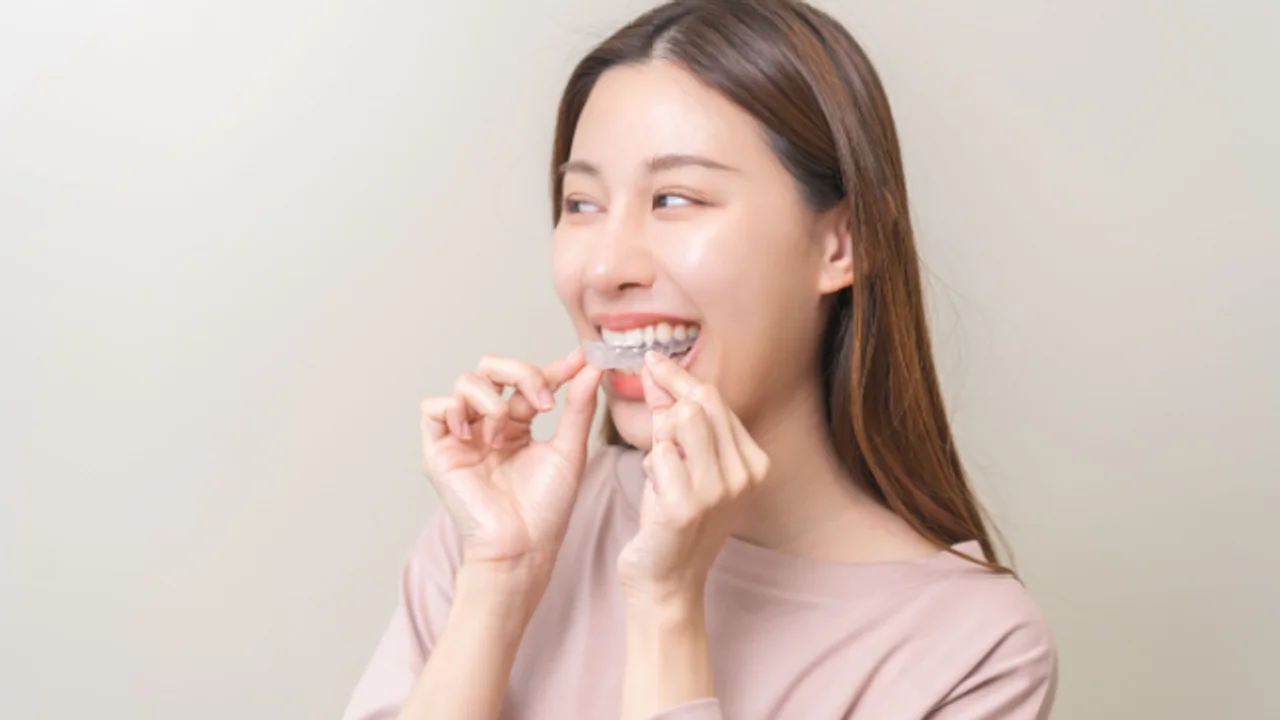
Comparing Orthodontic Treatment Fees: Korea vs Japan Benchmarks
The decision to pursue orthodontic treatment is a long-term investment in both oral health and facial aesthetics. For patients in the Asia-Pacific region, South Korea and Japan represent the two most prominent hubs for advanced dental care.
Learn More