Advanced Orthodontics, Implants & Cosmetic Dentistry in Gangnam, Seoul · International Patient Concierge

Dental Guide
What’s the Most Natural-Looking Shade for Veneers?
Discover the most natural-looking shade for veneers to match your smile perfectly. Learn how to choose the right tone for lasting, confident results.
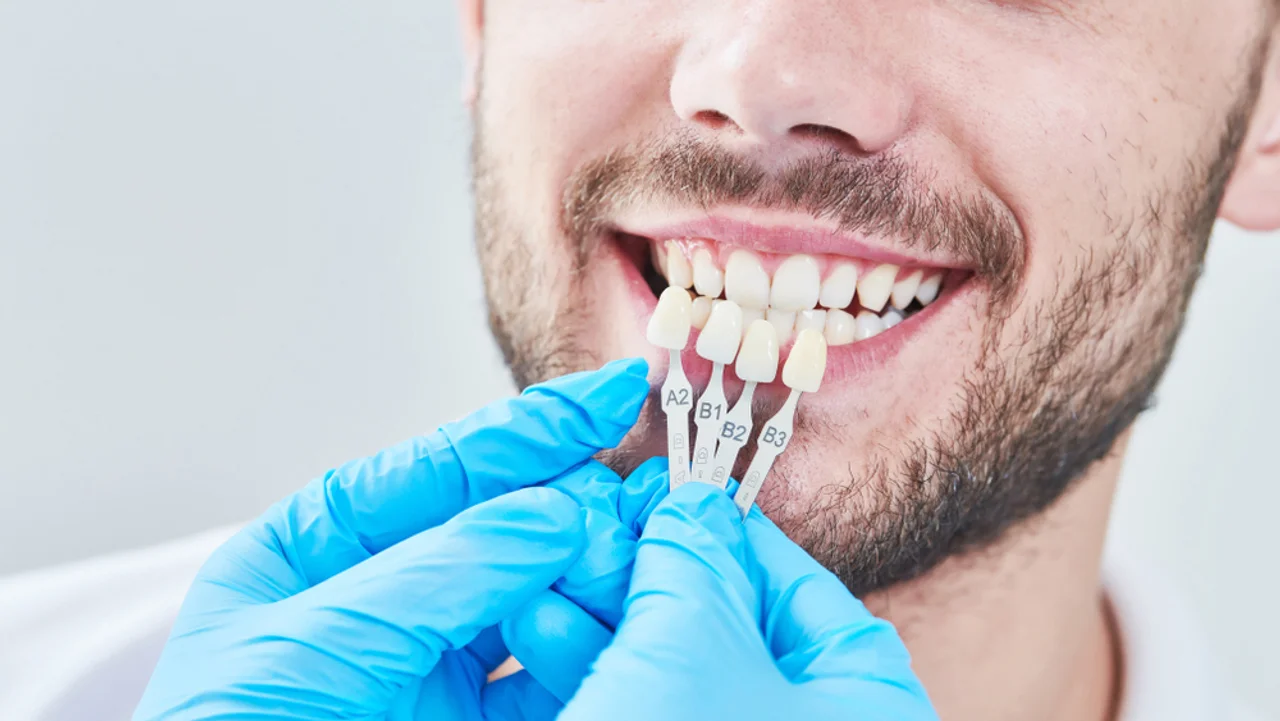
Schedule a ConsultationIntroduction: The Quest for a Beautiful, Natural Smile\n\n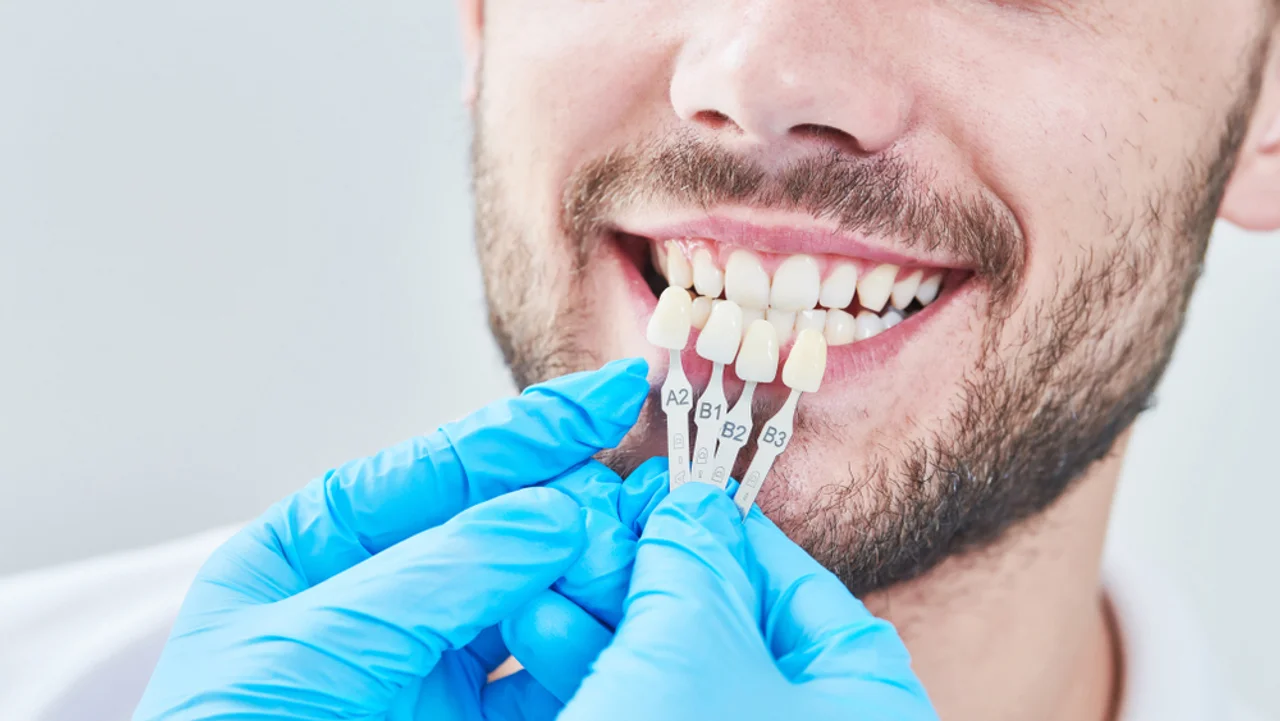 \n\nIn Gangnam, where the standards for beauty and self-presentation are among the highest in the world, a radiant smile is more than just an accessory—it’s a symbol of confidence and refinement. Many patients who visit Smile View Dental Clinic share the same concern: “I want veneers, but I don’t want them to look fake.”\n\nIt’s a common worry. On one end of the spectrum, patients dream of flawless, pearl-white smiles like those of celebrities. On the other, they fear veneers that look too artificial, too bright, or mismatched with their natural features. The truth is, the “most natural-looking shade” of veneers isn’t about choosing the whitest option—it’s about finding the shade that harmonizes with your skin tone, eyes, facial features, and personality.\n\nAt Smile View Dental Clinic, led by Dr. Han-gyeol Kim and his multidisciplinary team, veneer treatment is never a one-size-fits-all process. Instead, it’s a highly personalized journey that balances aesthetics with authenticity.\n\nSo, what is the most natural-looking shade for veneers—and how do you find yours? Let’s take a closer look.\n\n## Why Veneer Shade Matters More Than You Think?\n\nVeneers are designed to transform your smile, but the success of the transformation depends heavily on shade selection. Think of it like tailoring a suit: you could buy the most expensive fabric, but if the fit isn’t right, it won’t look elegant. Similarly, the wrong veneer shade can appear “too white,” flat, or mismatched with the rest of your appearance.\n\nWhen veneers don’t look natural, they tend to draw the wrong kind of attention—people notice the veneers themselves instead of the smile as a whole. A well-chosen shade, however, blends seamlessly, enhancing your beauty without announcing itself. That’s what we call a “quiet luxury smile”—refined, timeless, and natural.\n\n## Understanding Veneer Shades: Beyond Just “White”\n\nYou might assume teeth come in only one kind of white, but in dentistry, shades are carefully classified. The VITA classical shade guide, a tool widely used around the world, categorizes teeth into four major groups:\n\n- A shades – Reddish-brown tones\n\n- B shades – Reddish-yellow tones (often associated with youthful warmth)\n\n- C shades – Grayish tones\n\n- D shades – Reddish-gray tones\n\nWithin these families, shades are numbered from lighter to darker. For example, A1 is lighter than A3.\n\n## Why Ultra-White Isn’t Always the Answer?\n\n## Factors That Determine the Most Natural Shade for You\n\n
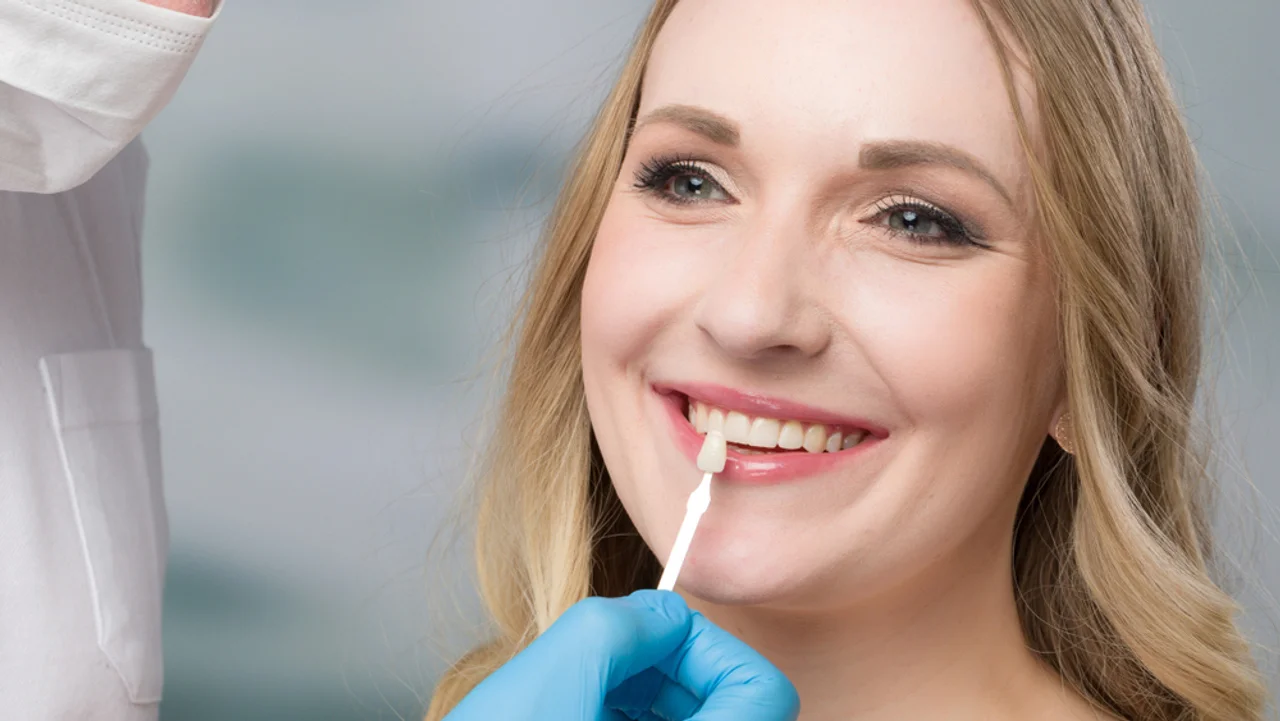 \n\n### 1. Skin Tone and Undertone\n\n### 3. Age and Lifestyle\n\n
More Dental Articles
Continue reading our clinical dental guides.
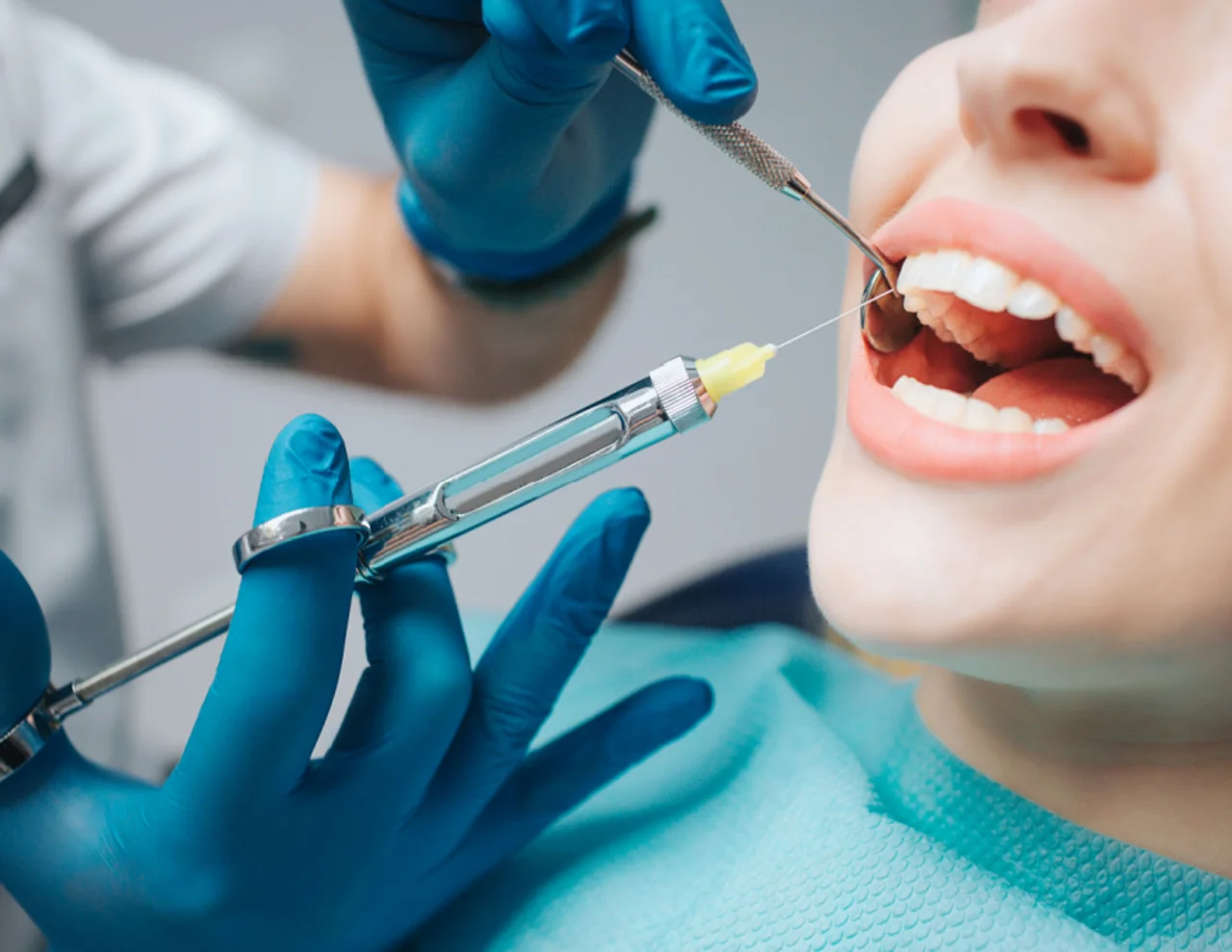
Korean Dental Anesthesia Market: Projected $80M Revenue by 2035
In the rapidly evolving landscape of South Korean healthcare, patient comfort has transitioned from a luxury to a baseline expectation.
Learn More

Why Non-Surgical Orthodontics Reduces Long-Term Dental Costs
The landscape of dental care in South Korea is shifting rapidly as patients increasingly prioritize long-term functional health over quick aesthetic fixes.
Learn More
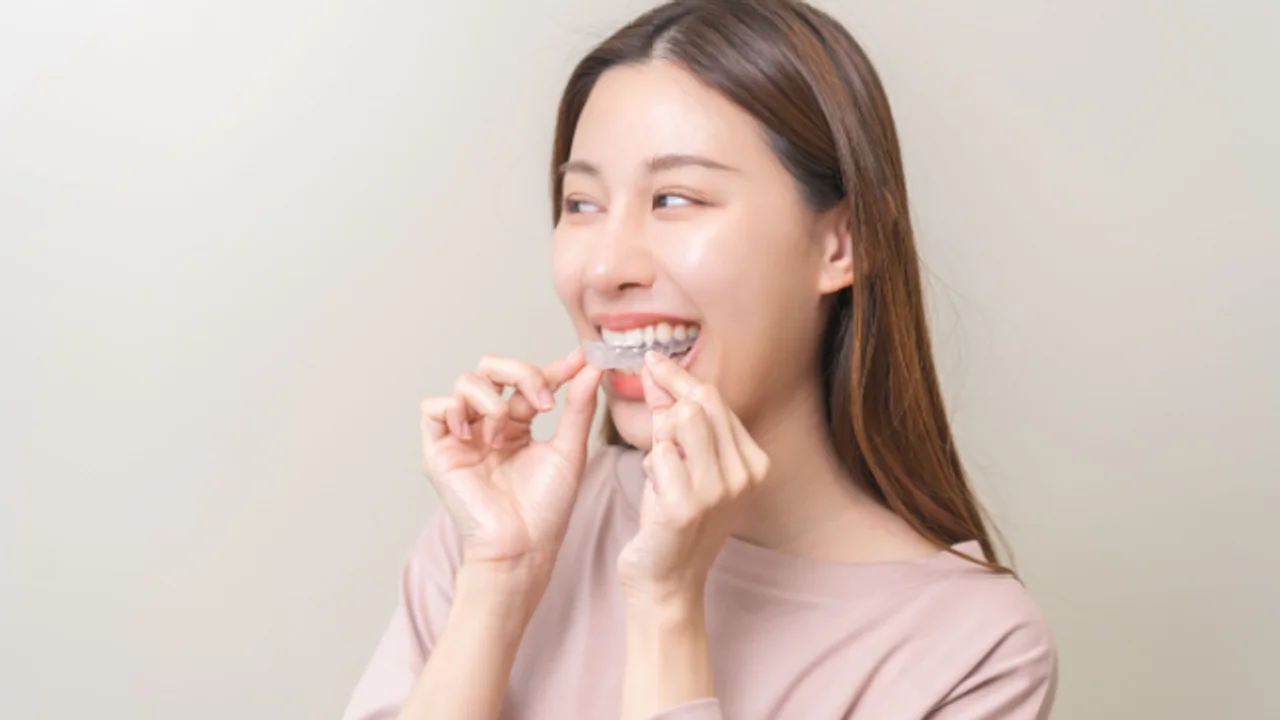
Comparing Orthodontic Treatment Fees: Korea vs Japan Benchmarks
The decision to pursue orthodontic treatment is a long-term investment in both oral health and facial aesthetics. For patients in the Asia-Pacific region, South Korea and Japan represent the two most prominent hubs for advanced dental care.
Learn More