Advanced Orthodontics, Implants & Cosmetic Dentistry in Gangnam, Seoul · International Patient Concierge

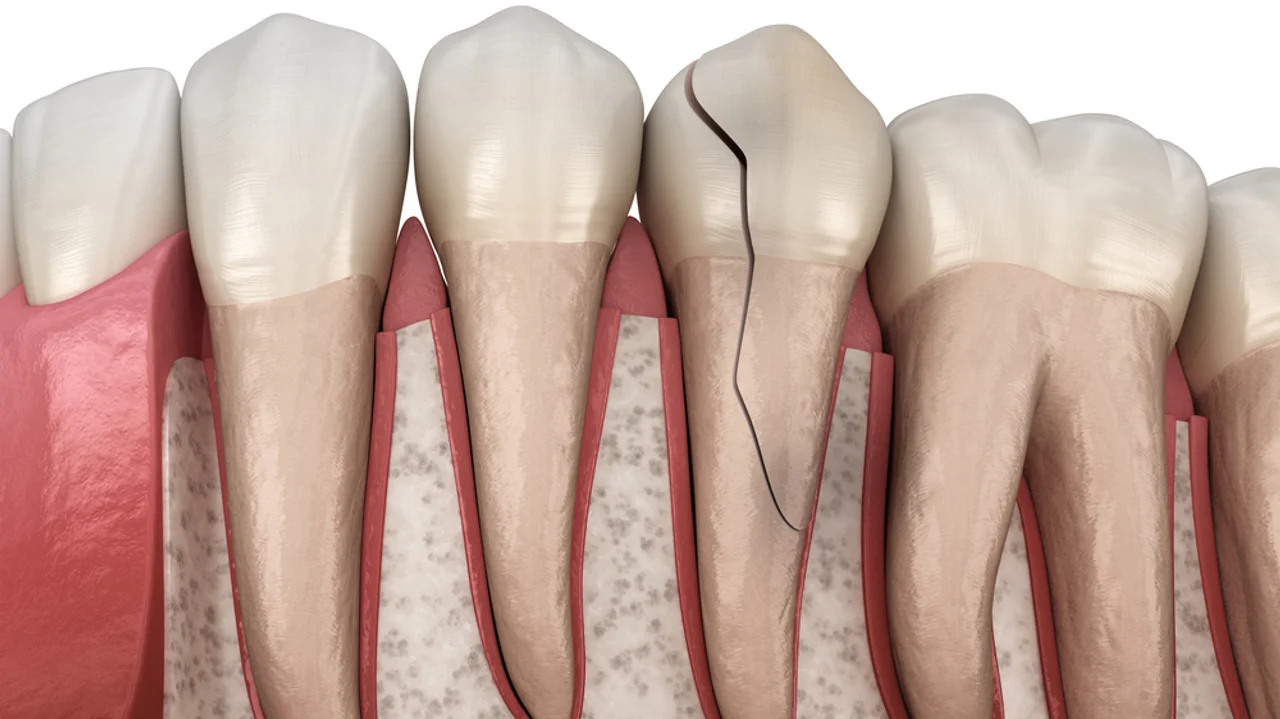
Dental Guide
What to Do If Your Tooth Cracks on the Weekend
Tooth cracked on the weekend? Get quick relief with emergency dental tips and treatment options. Learn what to do next—don’t wait, protect your smile now!
Schedule a ConsultationIntroduction: When a Small Crack Becomes a Big Worry\n\n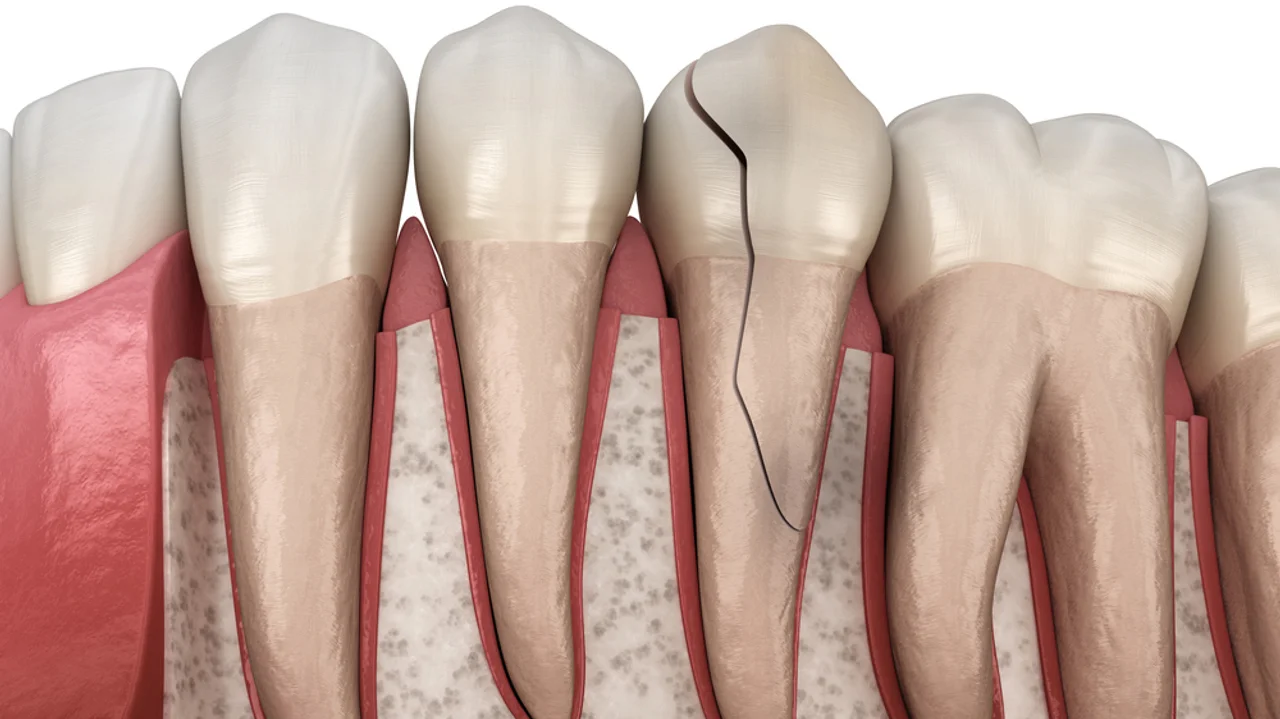 \n\nIt always seems to happen at the most inconvenient time — during a Saturday dinner with friends in Gangnam, or while enjoying a quiet Sunday snack at home. You bite down, hear an unexpected crunch, and instantly feel something sharp against your tongue. A quick glance in the mirror confirms it: your tooth has cracked.\n\nYour mind races. Is it serious? Do I need emergency care? Can I wait until Monday?\n\nFor many patients we’ve met at Smile View Dental Clinic, this situation is all too familiar — a mix of shock, discomfort, and uncertainty, made worse by the fact that it’s the weekend and most dental offices are closed.\n\nThe truth is, a cracked tooth can range from a minor cosmetic chip to a serious structural injury, and knowing what to do in those first few hours can make the difference between saving the tooth and losing it.\n\nAt our clinic in Gangnam, Seoul, we see countless patients who come in after weekend dental emergencies. Some have simple fractures that can be bonded in minutes; others need careful restoration because the crack deepened over time. What they all have in common is this: they weren’t sure what to do when it happened.\n\n## Understanding the Nature of a Cracked Tooth\n\nCracked teeth aren’t all the same — and the difference between a minor chip and a deep fracture determines how urgent your next step should be.\n\n### Here’s what might have happened:\n\n- Craze lines: These are shallow, surface-level cracks that only affect the outer enamel. They’re common in adults and typically harmless, though they may cause slight sensitivity.\n\n- Fractured cusp: A portion of the chewing surface breaks off, often around a filling. It might feel sharp but usually doesn’t reach the nerve.\n\n- Cracked tooth (vertical): The crack extends toward the gum line or deeper into the root. This type can worsen quickly and may threaten the entire tooth.\n\n- Split tooth: The tooth separates into distinct segments — usually the result of an untreated deep crack.\n\n- Root fracture: A crack that begins at the root and progresses upward. Often invisible without imaging, this is one of the most complex types to treat.\n\nYou might be surprised to learn that some cracks don’t cause pain right away. The tooth may feel normal for days or weeks, lulling you into a false sense of security. But microscopic openings allow bacteria to enter the inner pulp, leading to infection or even abscess formation. That’s why prompt assessment — even after the weekend — is crucial.\n\n## Step 1: Stay Calm and Assess the Damage\n\n### Rinse and Clean\n\n
 \n\n
More Dental Articles
Continue reading our clinical dental guides.
Korean Dental Anesthesia Market: Projected $80M Revenue by 2035
In the rapidly evolving landscape of South Korean healthcare, patient comfort has transitioned from a luxury to a baseline expectation.
Learn More

Why Non-Surgical Orthodontics Reduces Long-Term Dental Costs
The landscape of dental care in South Korea is shifting rapidly as patients increasingly prioritize long-term functional health over quick aesthetic fixes.
Learn More

Comparing Orthodontic Treatment Fees: Korea vs Japan Benchmarks
The decision to pursue orthodontic treatment is a long-term investment in both oral health and facial aesthetics. For patients in the Asia-Pacific region, South Korea and Japan represent the two most prominent hubs for advanced dental care.
Learn More