Advanced Orthodontics, Implants & Cosmetic Dentistry in Gangnam, Seoul · International Patient Concierge


Dental Guide
What That Metallic Taste in Your Mouth Could Mean
Discover what that metallic taste in your mouth could mean, from vitamin deficiencies to health issues. Learn more about causes, symptoms & treatments today!
Schedule a ConsultationIntroduction\n\n \n\nYou might be surprised to learn that a persistent metallic taste in your mouth—what clinicians call dysgeusia—can arise from a surprisingly wide range of causes. At Smile View Dental Clinic in Gangnam, we often meet patients who say they “taste pennies,” “can’t get rid of the coppery feeling,” or that “everything tastes off.”\n\nTake, for example, a patient we recently saw: a healthy, active professional in her mid-thirties who began noticing a strange metallic flavor every morning. She initially thought it was due to the stainless steel water bottle she drank from, but when the taste persisted—even interfering with her enjoyment of coffee and meals—she came to see us. What seemed like a minor annoyance turned out to be early-stage gingivitis combined with mild xerostomia caused by a new antihistamine. A simple adjustment to her oral care routine and medication, along with a professional cleaning, resolved the issue within weeks.\n\nWhile this symptom is often harmless and temporary, it can sometimes signal underlying issues that deserve medical or dental attention. Whether you’re a local professional navigating Gangnam’s fast-paced lifestyle or an international patient seeking clarity, understanding what this symptom could mean is the first step toward restoring your oral health and peace of mind.\n\n## What Exactly Is the Metallic Taste?\n\nThe sensation of a metallic taste is a form of taste disorder called dysgeusia. It doesn’t refer to a fleeting aftertaste but a consistent perception of metal-like flavor, even when you’re not eating or drinking anything. Think of your mouth like a finely tuned musical instrument: even a small misalignment can throw off the entire harmony. Similarly, when one aspect of your oral environment—saliva, gums, restorations, or nerves—is imbalanced, your sense of taste can become distorted.\n\n### Patients often describe the sensation as:\n\n- “Like chewing on coins.”\n\n- “A tinny or iron taste that won’t go away.”\n\n- “Metallic even when drinking water.”\n\nThis can affect daily life more than you might expect. It can reduce appetite, alter the way food and beverages taste, and in more severe cases, lead to nutritional deficiencies. In a place like Gangnam, where dining and socializing are often central to lifestyle and business, such disruptions can be frustrating and socially limiting.\n\n## Why Does This Happen? (And What It Could Mean)\n\n### 1. Oral Health and Hygiene Issues\n\n
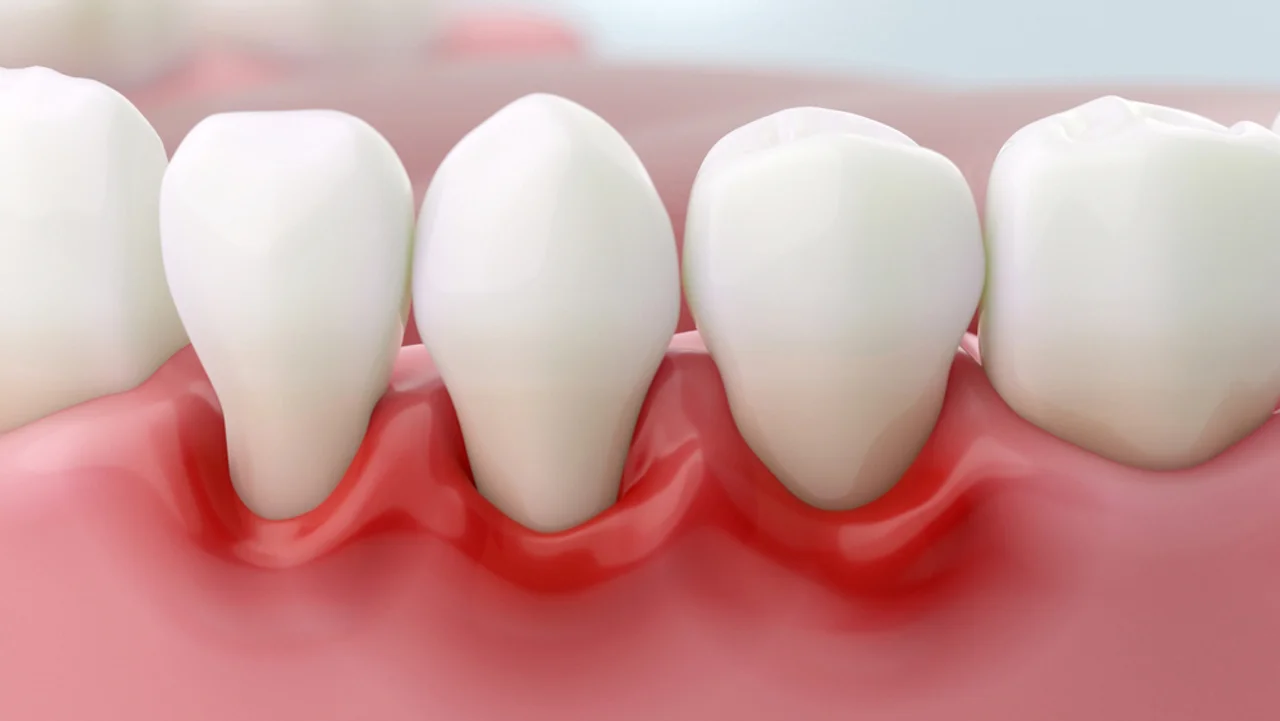 \n\nAt Smile View Dental Clinic, our integrated approach ensures we assess:\n\n- Signs of gum disease (bleeding, inflammation, pocket depth)\n\n- Cavities or root infections\n\n

More Dental Articles
Continue reading our clinical dental guides.
Korean Dental Anesthesia Market: Projected $80M Revenue by 2035
In the rapidly evolving landscape of South Korean healthcare, patient comfort has transitioned from a luxury to a baseline expectation.
Learn More

Why Non-Surgical Orthodontics Reduces Long-Term Dental Costs
The landscape of dental care in South Korea is shifting rapidly as patients increasingly prioritize long-term functional health over quick aesthetic fixes.
Learn More
Comparing Orthodontic Treatment Fees: Korea vs Japan Benchmarks
The decision to pursue orthodontic treatment is a long-term investment in both oral health and facial aesthetics. For patients in the Asia-Pacific region, South Korea and Japan represent the two most prominent hubs for advanced dental care.
Learn More