Advanced Orthodontics, Implants & Cosmetic Dentistry in Gangnam, Seoul · International Patient Concierge

Dental Guide
What Is Surgery-First Orthodontics—and Who Can Benefit?
Discover what surgery-first orthodontics is, how it works, and who it’s best for. Achieve faster results with this innovative approach—learn more today!
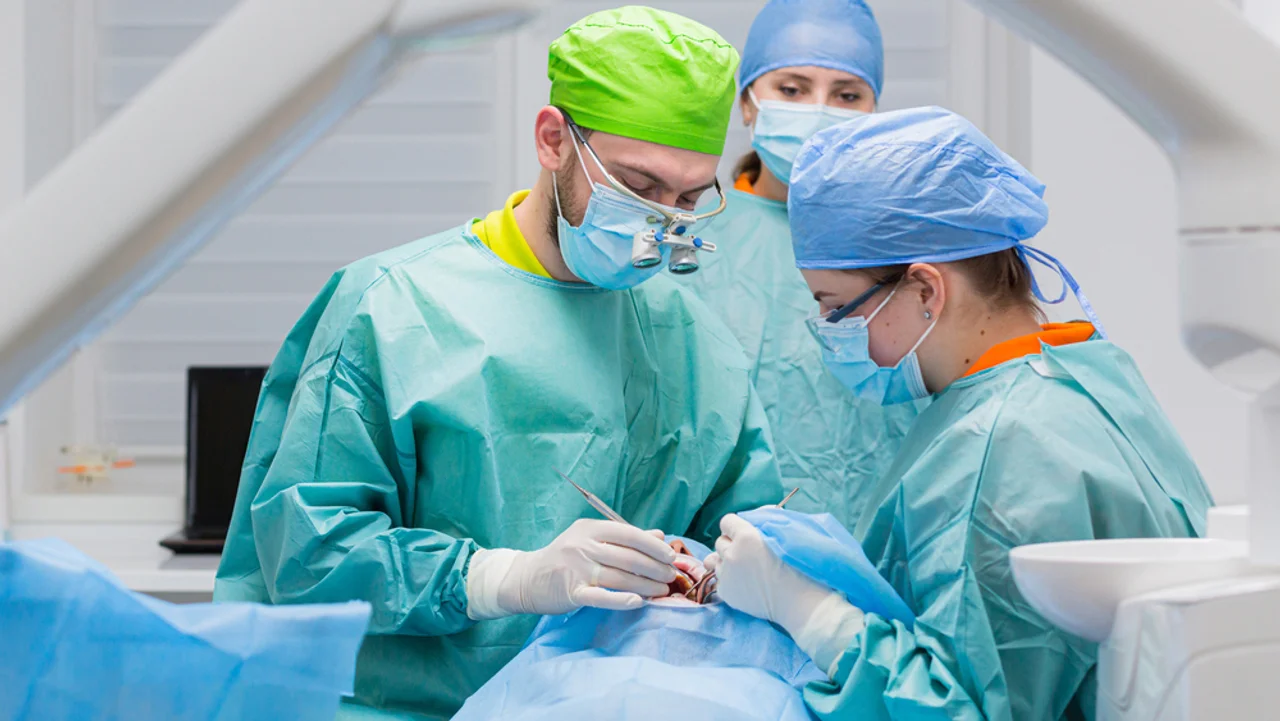
Schedule a ConsultationIntroduction: Why Timing Matters in Jaw Correction\n\n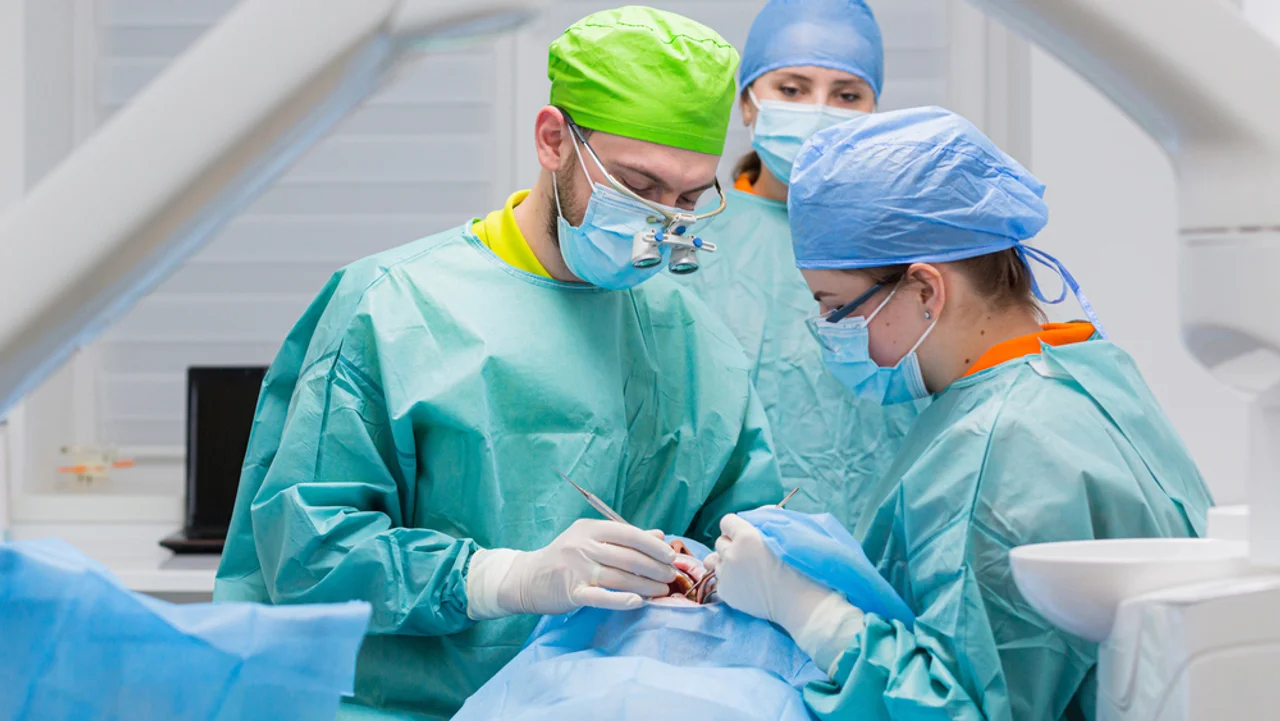 \n\nIn Gangnam, patients seeking orthodontic care often share a similar hesitation. They understand that jaw alignment affects not only their smile, but also their facial balance, speech, and long-term oral health. Yet many pause when they hear the words “years of braces before surgery.”\n\nYou might be surprised to learn that this traditional sequence isn’t the only path forward.\n\nFor decades, orthodontics and jaw surgery followed a fixed order: align the teeth first, operate later. While clinically sound, this approach often placed patients in an uncomfortable position—enduring a prolonged phase where both appearance and bite could temporarily worsen. In a culture that values natural facial harmony and efficiency, especially here in Gangnam, that trade-off doesn’t always feel reasonable.\n\nThis is where Surgery-First Orthodontics enters the conversation. Rather than delaying meaningful change, this approach addresses the skeletal foundation—the jaws—at the very beginning. When planned with precision and executed by an integrated team, surgery-first orthodontics can offer earlier facial improvement, a shorter overall treatment timeline, and a more psychologically comfortable journey for the patient.\n\nAt Smile View Dental Clinic, led by Dr. Han-gyeol Kim, surgery-first orthodontics is not viewed as an aggressive alternative, but as a carefully selected strategy—used only when it supports long-term stability, function, and aesthetic balance. Understanding who truly benefits from this approach is the first step toward making an informed decision.\n\n## Understanding the Conventional Orthodontic–Surgical Model\n\nTo appreciate why surgery-first orthodontics exists, it helps to understand the traditional model.\n\nIn conventional orthognathic treatment, patients typically undergo:\n\n- 12–24 months of pre-surgical orthodontics\\n Teeth are “decompensated,” often exaggerating bite problems so the jaws can be repositioned accurately.\n\n- Jaw (orthognathic) surgery\n\n- 6–12 months of post-surgical orthodontics\\n Final alignment and bite refinement.\n\nFrom a purely technical standpoint, this sequence is logical. But from a patient’s perspective, it can be emotionally and socially taxing. During pre-surgical orthodontics, facial aesthetics may temporarily worsen, which is especially challenging in appearance-conscious environments like Gangnam.\n\nThis gap between clinical logic and patient experience is exactly where surgery-first orthodontics emerged.\n\n## What Is Surgery-First Orthodontics?\n\n- 3D CBCT imaging\n\n
 \n\n- Speech clarity\n\n
More Dental Articles
Continue reading our clinical dental guides.
Korean Dental Anesthesia Market: Projected $80M Revenue by 2035
In the rapidly evolving landscape of South Korean healthcare, patient comfort has transitioned from a luxury to a baseline expectation.
Learn More

Why Non-Surgical Orthodontics Reduces Long-Term Dental Costs
The landscape of dental care in South Korea is shifting rapidly as patients increasingly prioritize long-term functional health over quick aesthetic fixes.
Learn More

Comparing Orthodontic Treatment Fees: Korea vs Japan Benchmarks
The decision to pursue orthodontic treatment is a long-term investment in both oral health and facial aesthetics. For patients in the Asia-Pacific region, South Korea and Japan represent the two most prominent hubs for advanced dental care.
Learn More