Advanced Orthodontics, Implants & Cosmetic Dentistry in Gangnam, Seoul · International Patient Concierge

Dental Guide
What Is Prosthodontic Treatment? A Guide to Procedures
## Introduction When you think of a healthy smile, you might think of a standard check-up or a quick filling.
Schedule a ConsultationIntroduction
When you think of a healthy smile, you might think of a standard check-up or a quick filling. But when your dental needs move beyond routine maintenance into the realm of restoration, reconstruction and artistic transformation you enter the world of Prosthodontic Treatment.
Derived from the Greek words prosthe (addition) and odous (tooth) prosthodontics is the specialized architecture of dentistry. While a general dentist is your primary care provider for oral health a prosthodontist is a specialist who has completed three additional years of rigorous residency-based training after dental school. They are the experts often called the engineers of the mouth dedicated to repairing what is broken and replacing what is missing with micron-level precision.
Prosthodontic treatment focuses on the design, manufacture and fitting of artificial replacements for teeth and other parts of the mouth. This specialty is essential for patients who have lost teeth due to decay, trauma or congenital conditions. In the modern era this field has evolved from simple dentures to high-tech biomimetic restorations that look and feel identical to natural teeth.
Core Prosthodontic Procedures: From Single Teeth to Full Mouths
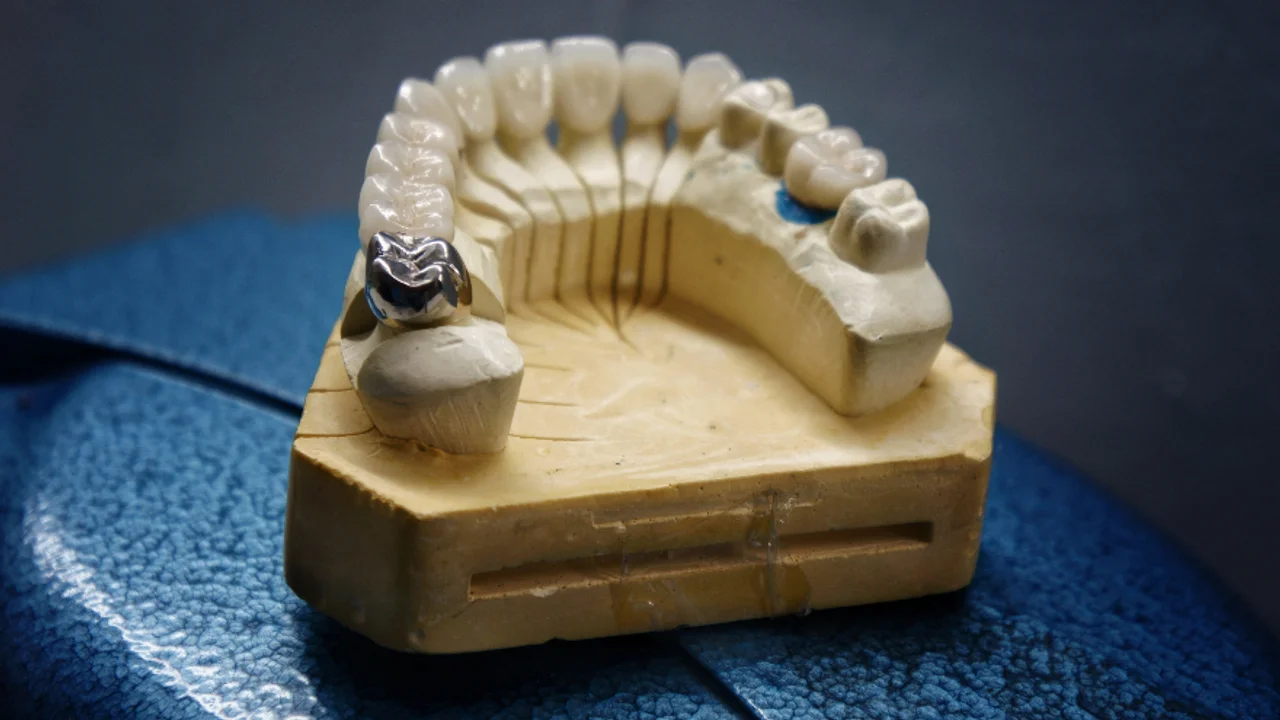
Prosthodontic treatment is categorized by how the prosthetic is attached to your mouth. Some are fixed permanently, while others are designed to be removed for cleaning.
Fixed Prosthodontics (Non-Removable)
Fixed treatments are bonded or cemented into place. They provide the highest level of stability and convenience because they function exactly like natural teeth.
Crowns: Often called caps these cover a damaged or decayed tooth to restore its shape, size and strength. Modern crowns use Zirconia or E-max ceramics for life-like translucency.
Bridges: These bridge the gap created by one or more missing teeth. A bridge consists of two crowns for the teeth on either side of the gap with a false tooth (or teeth) in between.
Veneers: These are wafer-thin shells of porcelain bonded to the front of the teeth. They are the gold standard for cosmetic transformations, correcting chips, gaps and deep stains.
Inlays and Onlays: These are used when a tooth is too damaged for a simple filling but doesn't quite need a full crown. They are custom-made in a lab and fitted into the tooth's structure.
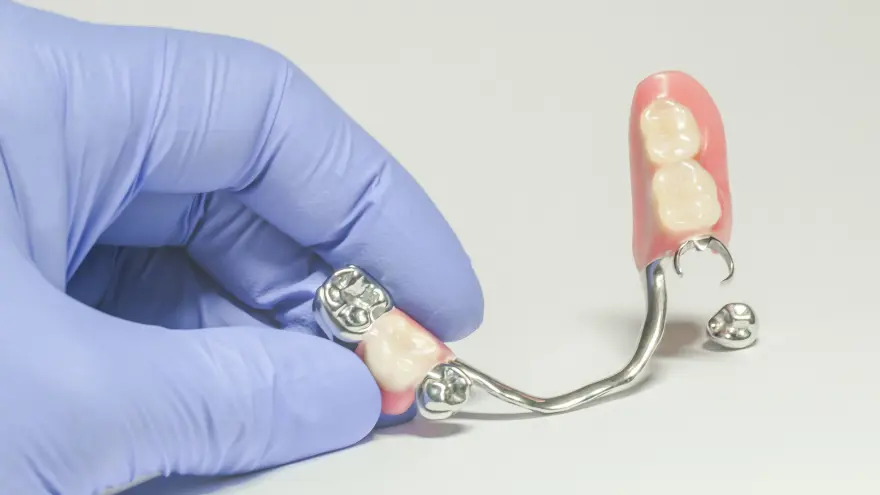
Removable Prosthodontics
These options are ideal for patients missing many teeth or those looking for a less invasive initial step.
- Full Dentures: Used when all teeth in an arch (upper or lower) are missing.
Implant Prosthodontics
Summary of Common Procedures
More Dental Articles
Continue reading our clinical dental guides.
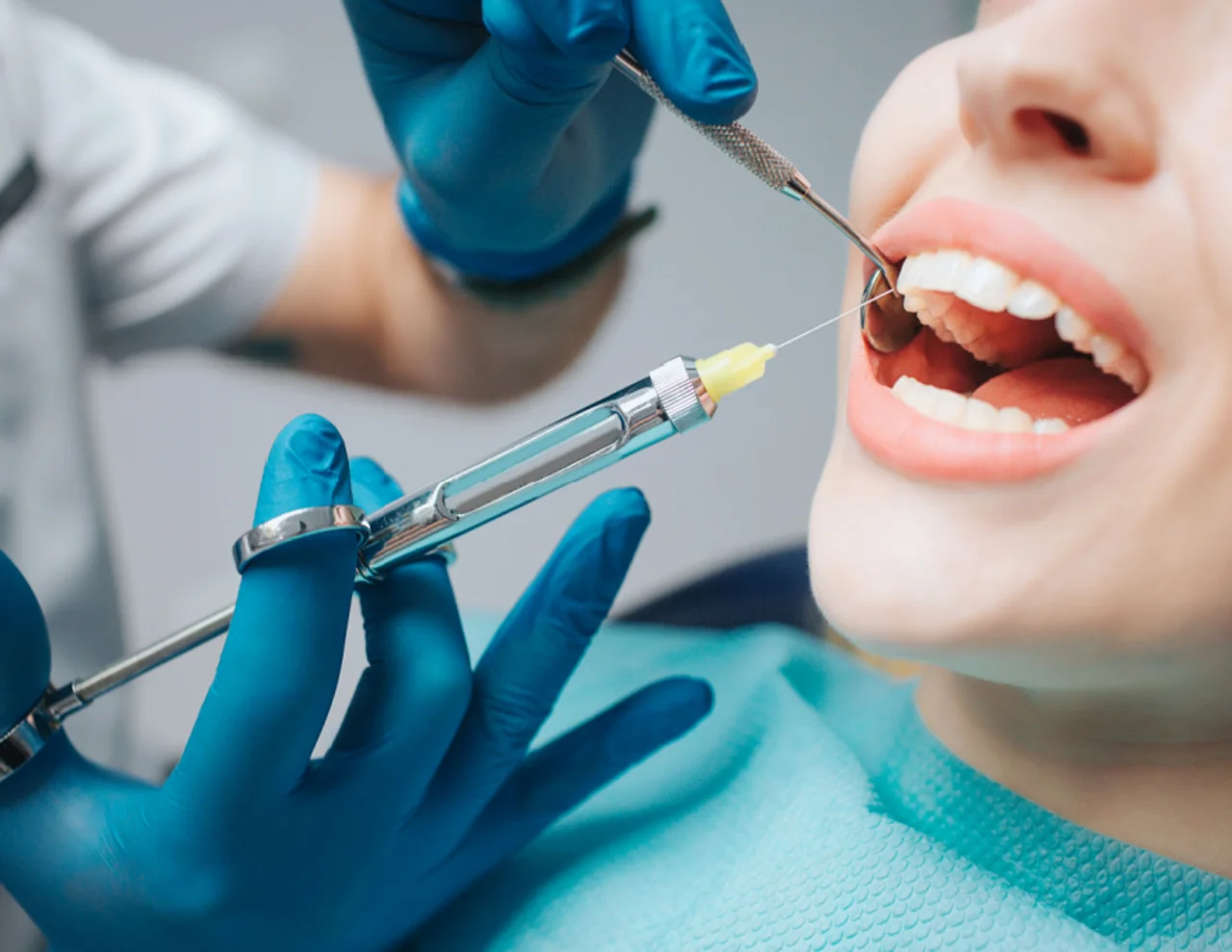
Korean Dental Anesthesia Market: Projected $80M Revenue by 2035
In the rapidly evolving landscape of South Korean healthcare, patient comfort has transitioned from a luxury to a baseline expectation.
Learn More

Why Non-Surgical Orthodontics Reduces Long-Term Dental Costs
The landscape of dental care in South Korea is shifting rapidly as patients increasingly prioritize long-term functional health over quick aesthetic fixes.
Learn More

Comparing Orthodontic Treatment Fees: Korea vs Japan Benchmarks
The decision to pursue orthodontic treatment is a long-term investment in both oral health and facial aesthetics. For patients in the Asia-Pacific region, South Korea and Japan represent the two most prominent hubs for advanced dental care.
Learn More