Advanced Orthodontics, Implants & Cosmetic Dentistry in Gangnam, Seoul · International Patient Concierge


Dental Guide
What Happens If You Ignore TMJ Pain for Too Long?
Ignoring TMJ pain can lead to worsening discomfort, jaw dysfunction, headaches, ear issues, and even tooth damage. Early treatment is key to prevention.
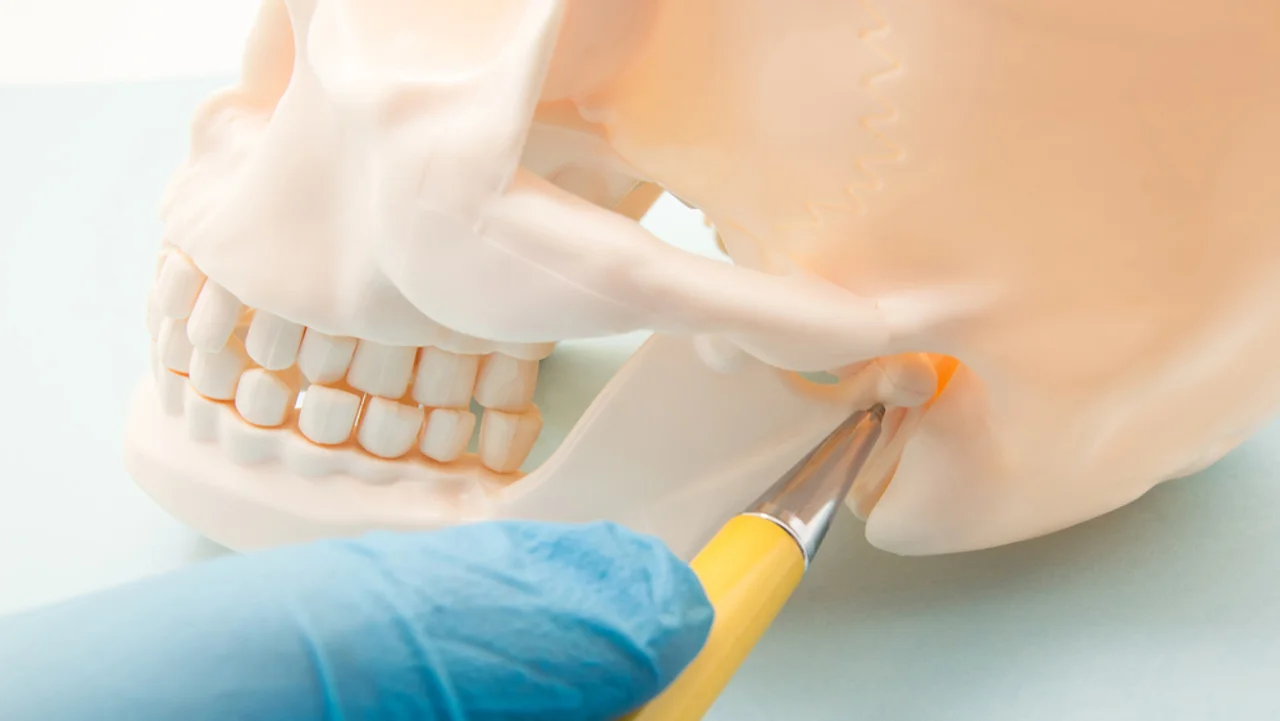
Schedule a ConsultationIntroduction\n\n \n\nAt Smile View Dental, we understand that good oral health is about more than just having a beautiful smile—it's about maintaining overall well-being and quality of life. One dental issue that is often overlooked yet has the potential to cause significant discomfort and long-term health problems is TMJ (temporomandibular joint) pain. This condition, which affects the joint that connects your jaw to your skull, can lead to a variety of painful symptoms that interfere with daily life. The temporomandibular joint plays a crucial role in allowing smooth jaw movement, enabling essential functions like speaking, eating, and even breathing. When this joint becomes dysfunctional or inflamed, it can cause a range of symptoms that can become progressively worse over time.\n\nIn this article, we will explore what TMJ disorder is, why it should never be ignored, and why seeking early treatment at Smile View Dental is key to preventing more serious complications down the road. Understanding the importance of addressing TMJ pain sooner rather than later can make all the difference in restoring comfort and preventing further damage to your oral health.\n\n## What is TMJ Disorder?\n\nTMJ disorder (TMD) refers to a group of conditions that affect the temporomandibular joint. This joint connects your lower jaw (mandible) to the skull, and it is responsible for facilitating jaw movement. TMJ disorders can be caused by several factors, including jaw injury, teeth grinding (bruxism), poor posture, arthritis, or stress that leads to excessive jaw clenching. When the joint or surrounding muscles become misaligned, overused, or inflamed, it can lead to a host of uncomfortable symptoms.\n\nCommon signs and symptoms of TMJ disorder include:\n\n- Jaw pain or discomfort: This is often the most noticeable symptom and can range from mild to severe.\n\n- Clicking, popping, or grinding sounds when opening or closing the mouth.\n\n- Restricted jaw movement: Difficulty opening or closing the mouth fully.\n\n- Headaches and migraines: These often occur due to the muscle strain caused by the misalignment of the jaw.\n\n- Earaches: TMJ disorder can mimic ear infections or cause a sensation of fullness in the ears.\n\n- Facial pain or swelling: The muscles around the jaw and face may become sore or tense.\n\n- Neck and shoulder pain: Tension from the jaw can radiate to the neck and shoulders, leading to discomfort in these areas as well.\n\nWhile the causes of TMJ disorder vary, it's important to recognize the signs and seek treatment to prevent worsening symptoms.\n\n## Why Ignoring TMJ Pain is a Bad Idea?\n\n
 \n\n### 1. Chronic Pain and Discomfort\n\n
More Dental Articles
Continue reading our clinical dental guides.

Korean Dental Anesthesia Market: Projected $80M Revenue by 2035
In the rapidly evolving landscape of South Korean healthcare, patient comfort has transitioned from a luxury to a baseline expectation.
Learn More

Why Non-Surgical Orthodontics Reduces Long-Term Dental Costs
The landscape of dental care in South Korea is shifting rapidly as patients increasingly prioritize long-term functional health over quick aesthetic fixes.
Learn More

Comparing Orthodontic Treatment Fees: Korea vs Japan Benchmarks
The decision to pursue orthodontic treatment is a long-term investment in both oral health and facial aesthetics. For patients in the Asia-Pacific region, South Korea and Japan represent the two most prominent hubs for advanced dental care.
Learn More