Advanced Orthodontics, Implants & Cosmetic Dentistry in Gangnam, Seoul · International Patient Concierge


Dental Guide
What Does “Routine Cleaning” Actually Include?
Discover what “routine cleaning” really involves—dusting, vacuuming, bathroom sanitizing & more. Keep your space fresh and spotless. Learn more today!
Schedule a ConsultationIntroduction: Why “Routine Cleaning” Deserves a Second Look

“Just a routine cleaning.”
It’s a phrase most patients hear at least twice a year—and one that quietly shapes how people think about preventive dental care. Routine cleaning is often perceived as quick, simple, and purely maintenance-based. No pain, no drilling, no urgency. Just something to check off the list.
But in modern dentistry—especially in a place like Gangnam, where expectations for oral health and aesthetics are exceptionally high—routine cleaning is anything but simple.
At Smile View Dental Clinic, we see routine cleaning as the foundation of everything that follows: healthy gums, stable bites, long-lasting cosmetic results, and the ability to preserve natural teeth well into adulthood. Many of the serious dental problems patients hope to avoid don’t begin with sudden pain. They begin quietly, in areas that routine cleaning is designed to monitor, protect, and stabilize.
So what does “routine cleaning” actually include when it’s done properly? And why does its quality matter far more than most people realize?
Why Routine Cleaning Is More Than “Maintenance”?
Many people think of routine dental cleaning the way they think of tidying up a room—something cosmetic, repetitive, and largely optional as long as things look fine. If nothing hurts and your smile looks healthy in the mirror, it’s easy to assume that a cleaning is simply about keeping things “fresh.”
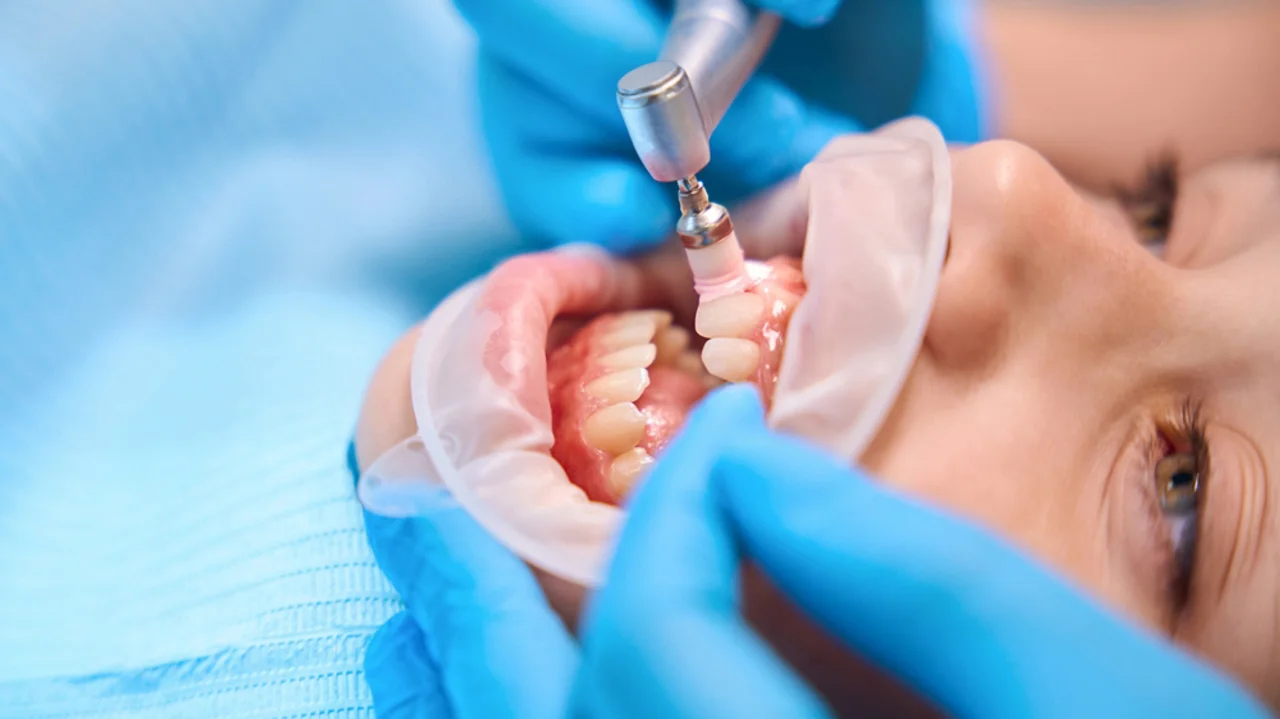
But in clinical reality, routine cleaning is not maintenance in the casual sense. It is biological regulation—a way of controlling the environment inside your mouth before problems become visible, painful, or expensive to fix.
At Smile View Dental Clinic in Gangnam, we often explain it this way: brushing and flossing are daily habits, but routine cleaning is where dentistry actually intervenes. It’s where we reset conditions that your home care simply cannot manage on its own.
It Controls Inflammation Before Disease Begins
The earliest stage of most dental problems isn’t decay—it’s inflammation.
Bacterial plaque constantly forms along the gumline. Even in patients with excellent brushing habits, some of this plaque matures into tartar and triggers a low-grade inflammatory response in the gums. This process is often painless and easy to ignore, yet it quietly changes the biology of the mouth.
Routine cleaning removes these inflammatory triggers before they escalate into:
Gum disease
Bone loss around teeth
Chronic bad breath
Increased risk of tooth mobility
It Preserves Tooth Structure, Not Just Cleanliness
Gum Health: The Silent Indicator

More Dental Articles
Continue reading our clinical dental guides.
Korean Dental Anesthesia Market: Projected $80M Revenue by 2035
In the rapidly evolving landscape of South Korean healthcare, patient comfort has transitioned from a luxury to a baseline expectation.
Learn More

Why Non-Surgical Orthodontics Reduces Long-Term Dental Costs
The landscape of dental care in South Korea is shifting rapidly as patients increasingly prioritize long-term functional health over quick aesthetic fixes.
Learn More
Comparing Orthodontic Treatment Fees: Korea vs Japan Benchmarks
The decision to pursue orthodontic treatment is a long-term investment in both oral health and facial aesthetics. For patients in the Asia-Pacific region, South Korea and Japan represent the two most prominent hubs for advanced dental care.
Learn More