Advanced Orthodontics, Implants & Cosmetic Dentistry in Gangnam, Seoul · International Patient Concierge

Dental Guide
What Causes Fillings to Fail—and How to Prevent It
Discover the common causes of filling failure and expert tips on how to prevent it. Keep your dental work intact with these essential insights.
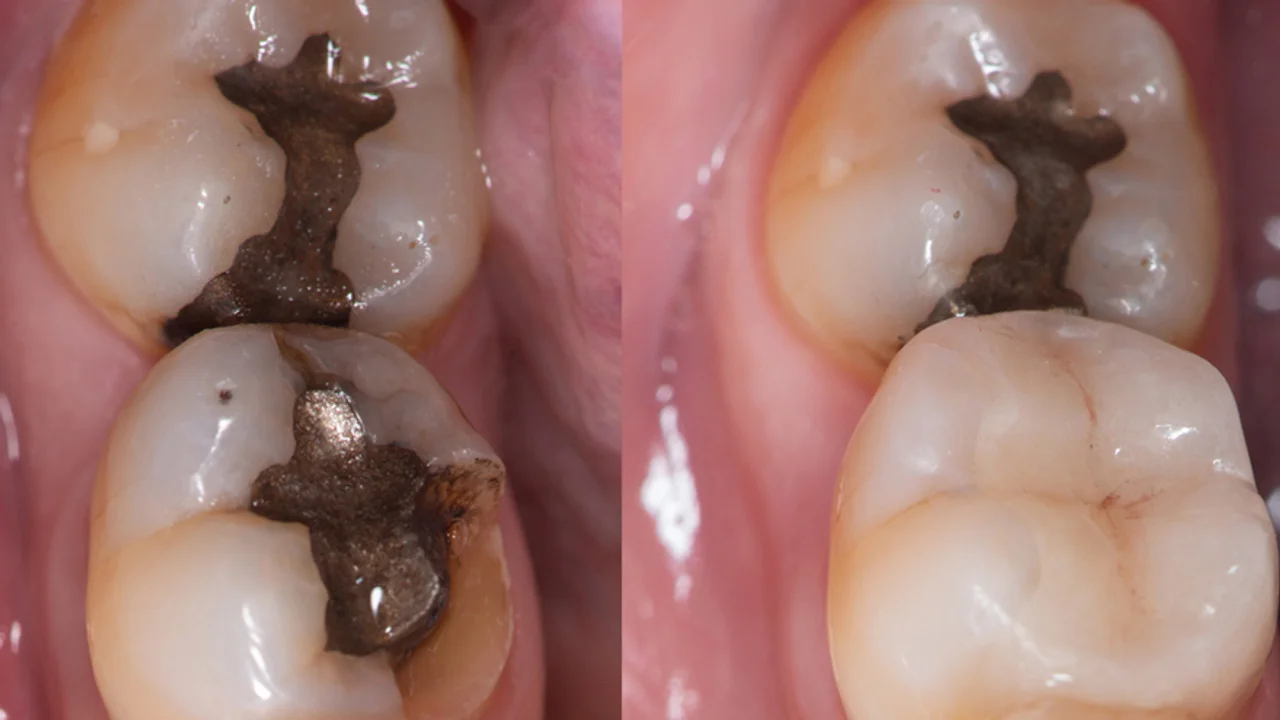
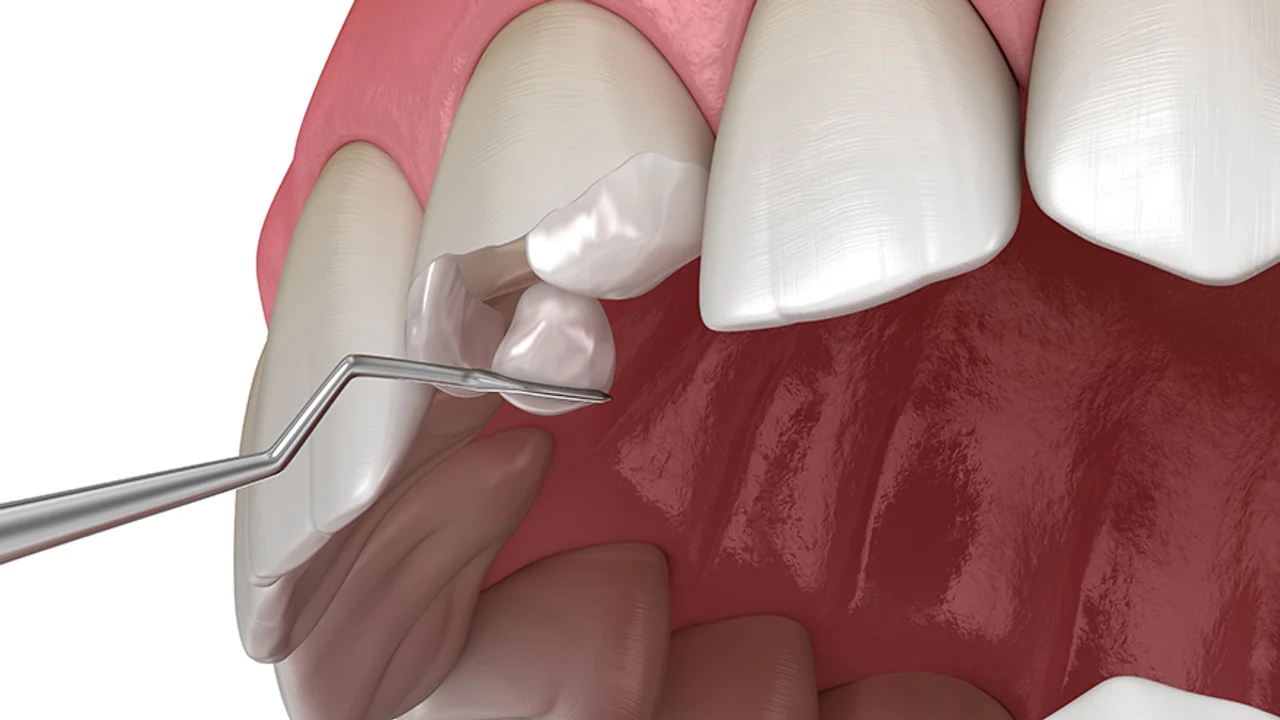
Schedule a ConsultationIntroduction\n\n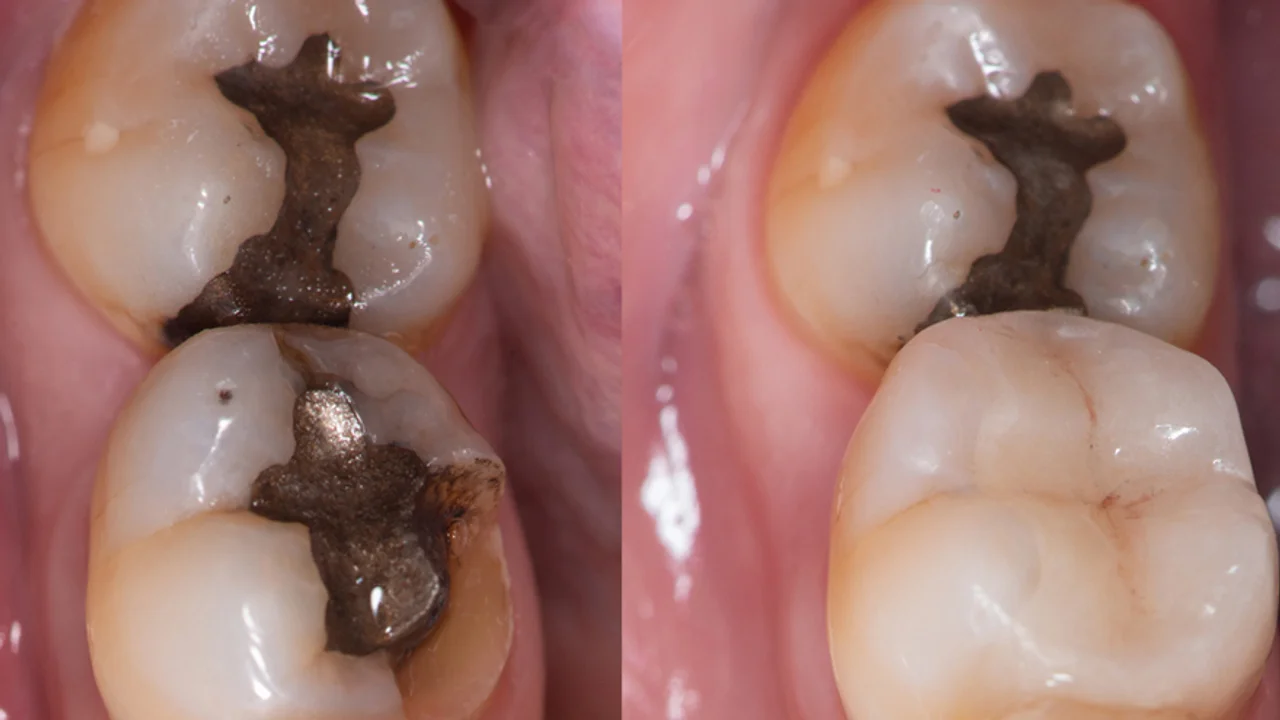 \n\nDental fillings are a cornerstone of modern dentistry, offering an effective solution to restore teeth affected by decay. For many people, getting a filling is a straightforward, routine procedure that brings relief from discomfort and restores the function of a tooth. However, despite their effectiveness, fillings can fail over time. Understanding the causes of filling failure—and, more importantly, how to prevent it—can help you maintain a healthy smile for years to come.\n\nAt Smile View Dental Clinic in Gangnam, our goal is not just to fix dental problems but to offer long-term solutions that prioritize both function and aesthetics. As a clinic that combines cutting-edge technology with precise, patient-centered care, we understand the importance of preventing issues like filling failure before they arise. Here’s an in-depth look at the factors that contribute to filling failure, as well as steps you can take to ensure your fillings last as long as possible.\n\n## Why Do Fillings Fail?\n\nA dental filling may seem like a permanent solution, but several factors can cause it to fail prematurely. Here are the most common reasons:\n\n### 1. Wear and Tear\n\nOne of the main reasons fillings fail is simply the natural wear and tear they experience over time. While dental fillings are durable, they are not immune to the daily stresses of chewing, grinding, and general use. Over time, a filling may become worn down, cracked, or lose its bond to the tooth. This is especially true for fillings in areas that undergo heavy pressure, such as the back molars.\n\nTip for prevention: Be mindful of habits that can wear out fillings prematurely, such as chewing on hard foods, ice, or using your teeth as tools (e.g., opening bottles). If you grind your teeth at night, consider discussing nightguards with your dentist to protect your fillings and natural teeth.\n\n### 2. Temperature Sensitivity\n\nDental fillings are sensitive to extreme temperatures. The rapid expansion and contraction of the filling material when exposed to hot or cold foods and drinks can lead to cracks or gaps forming between the filling and the tooth. This process is known as thermal expansion and can cause fillings to loosen or break over time.\n\nTip for prevention: Avoid consuming foods and beverages that are excessively hot or cold, especially immediately after receiving a filling. If you notice sensitivity to temperature, speak to your dentist about potential adjustments.\n\n### 3. Cavity Recurrence\n\n
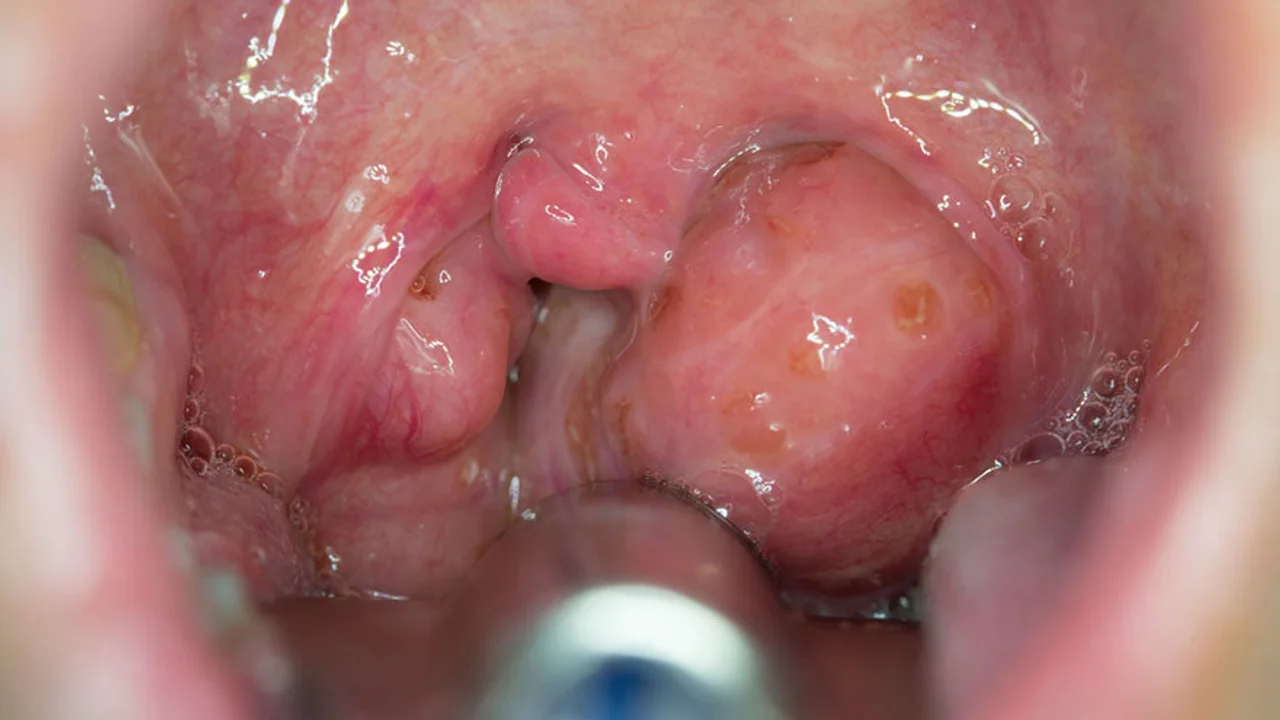 \n\n### 4. Improper Placement or Technique\n\n### 5. Wear from Teeth Grinding (Bruxism)\n\n### 6. Age of the Filling\n\n
More Dental Articles
Continue reading our clinical dental guides.
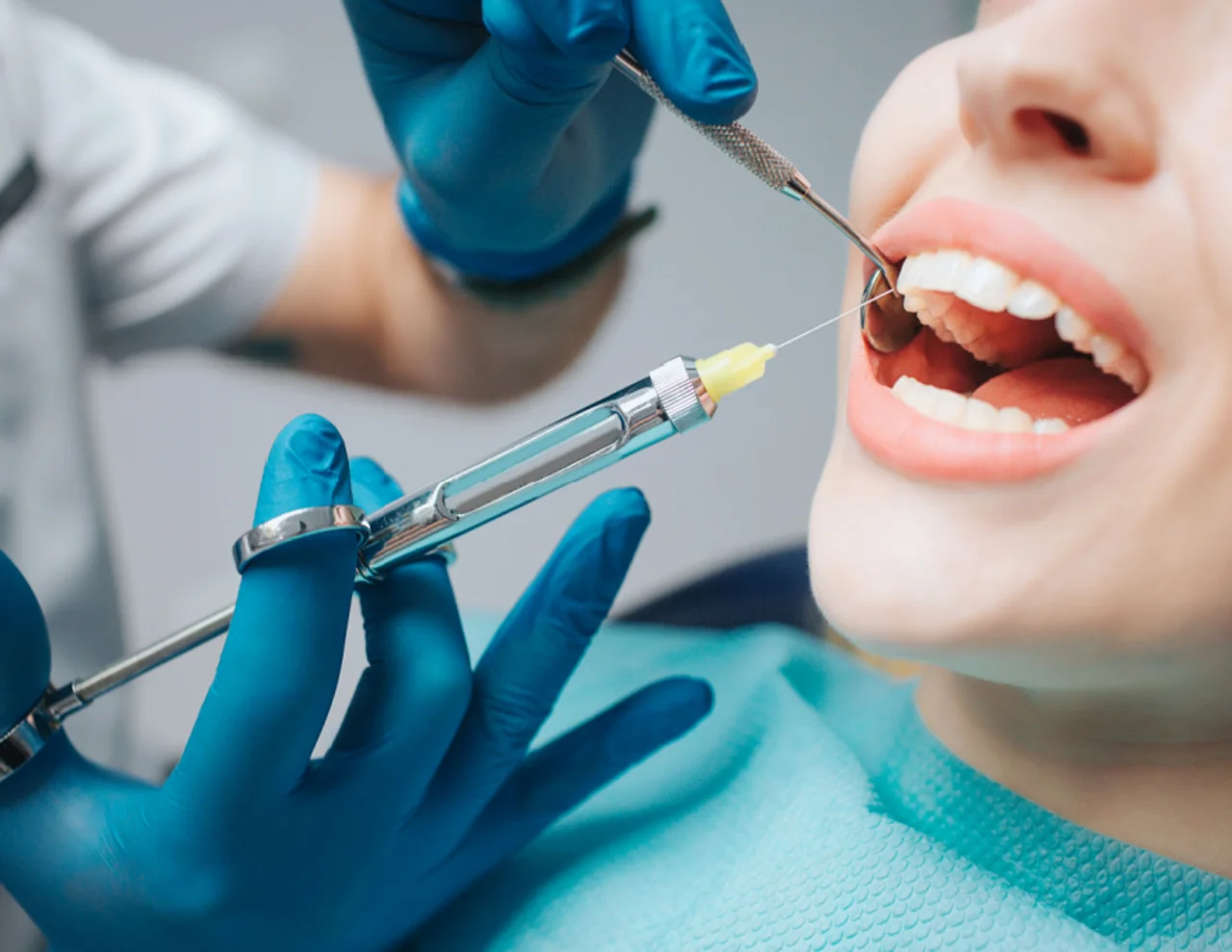
Korean Dental Anesthesia Market: Projected $80M Revenue by 2035
In the rapidly evolving landscape of South Korean healthcare, patient comfort has transitioned from a luxury to a baseline expectation.
Learn More

Why Non-Surgical Orthodontics Reduces Long-Term Dental Costs
The landscape of dental care in South Korea is shifting rapidly as patients increasingly prioritize long-term functional health over quick aesthetic fixes.
Learn More
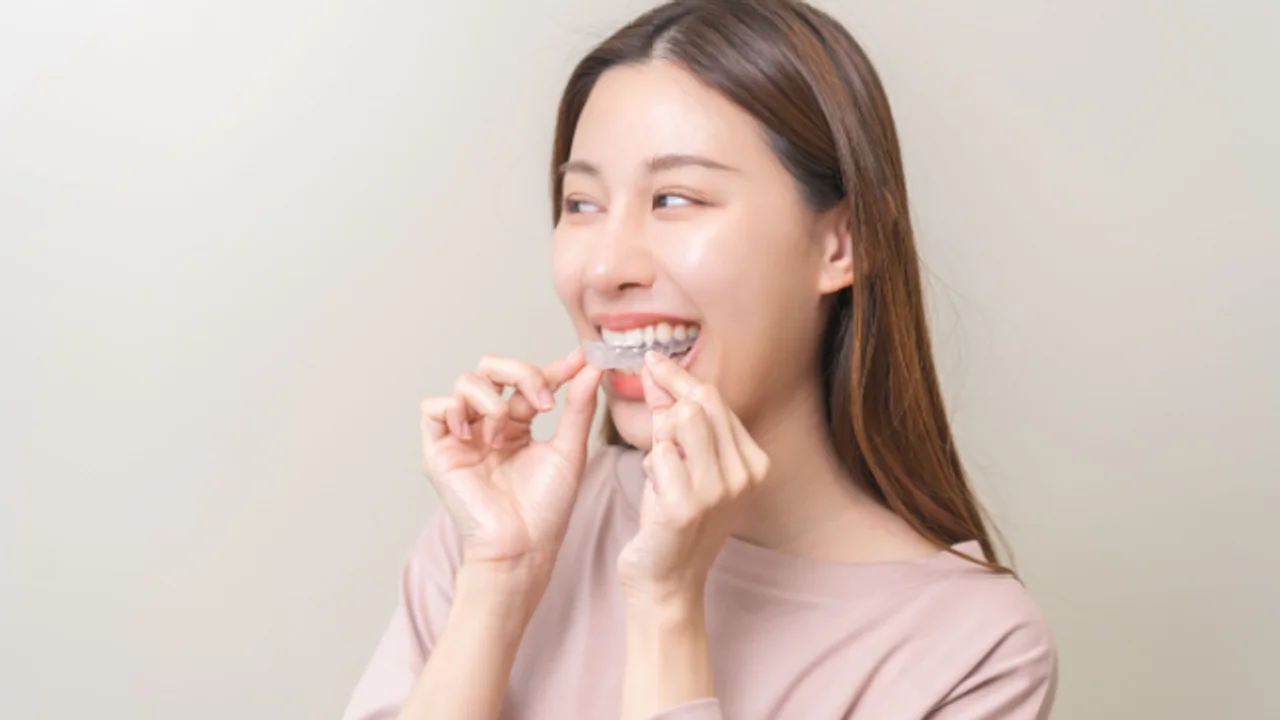
Comparing Orthodontic Treatment Fees: Korea vs Japan Benchmarks
The decision to pursue orthodontic treatment is a long-term investment in both oral health and facial aesthetics. For patients in the Asia-Pacific region, South Korea and Japan represent the two most prominent hubs for advanced dental care.
Learn More