Advanced Orthodontics, Implants & Cosmetic Dentistry in Gangnam, Seoul · International Patient Concierge

Dental Guide
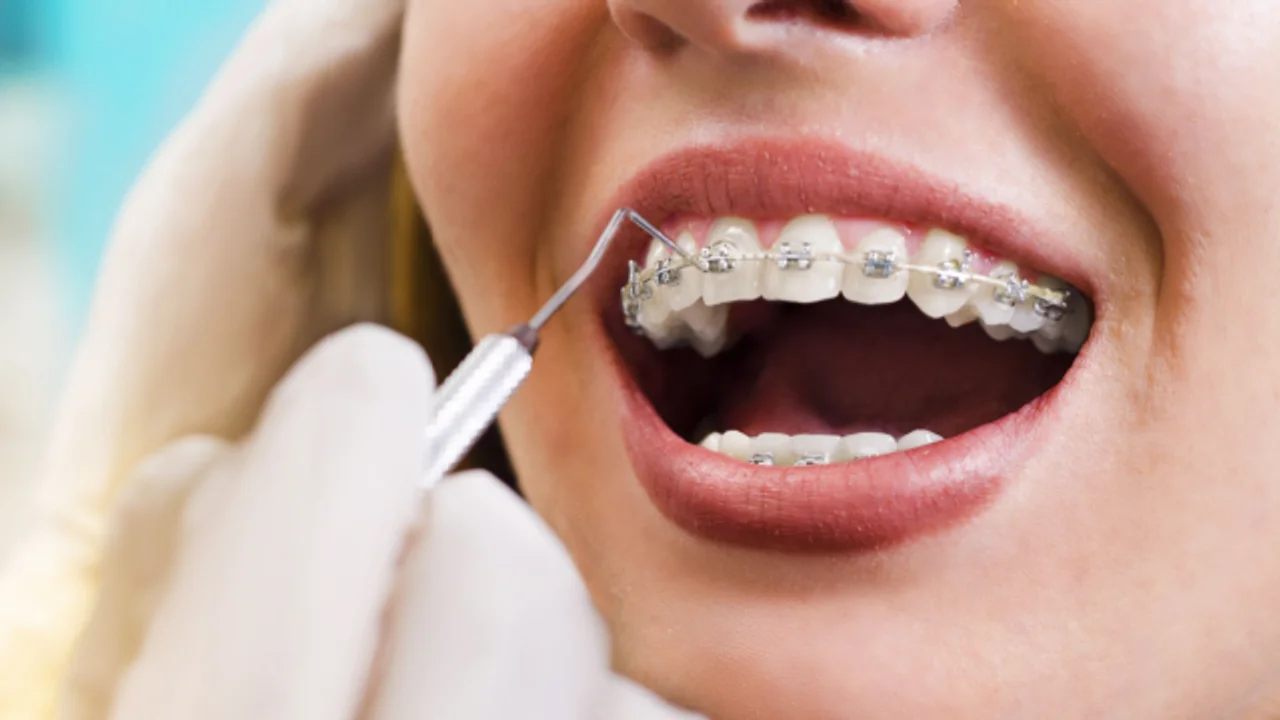
The Shift to Minimally Invasive Lingual Braces in Seoul Care
The demand for orthodontic treatment in South Korea has seen a significant shift, driven by a culture that highly values both dental health and aesthetic perfection.
Schedule a ConsultationThe demand for orthodontic treatment in South Korea has seen a significant shift, driven by a culture that highly values both dental health and aesthetic perfection. According to recent Korean healthcare market analyses, the domestic dental braces market has grown steadily, with a notable surge in adult orthodontics. A nationwide survey indicated that over 30% of new orthodontic patients in major Seoul clinics are now adults aged 30 to 50, many of whom seek "invisible" solutions to maintain professional appearances. As the Korean medical device market for aesthetics continues to expand at a CAGR of approximately 10–12%, Smile View Dental is at the forefront of this evolution, utilizing high-precision technology to redefine the patient experience.
Why are Lingual Braces in Korea Becoming the Preferred Aesthetic Choice?
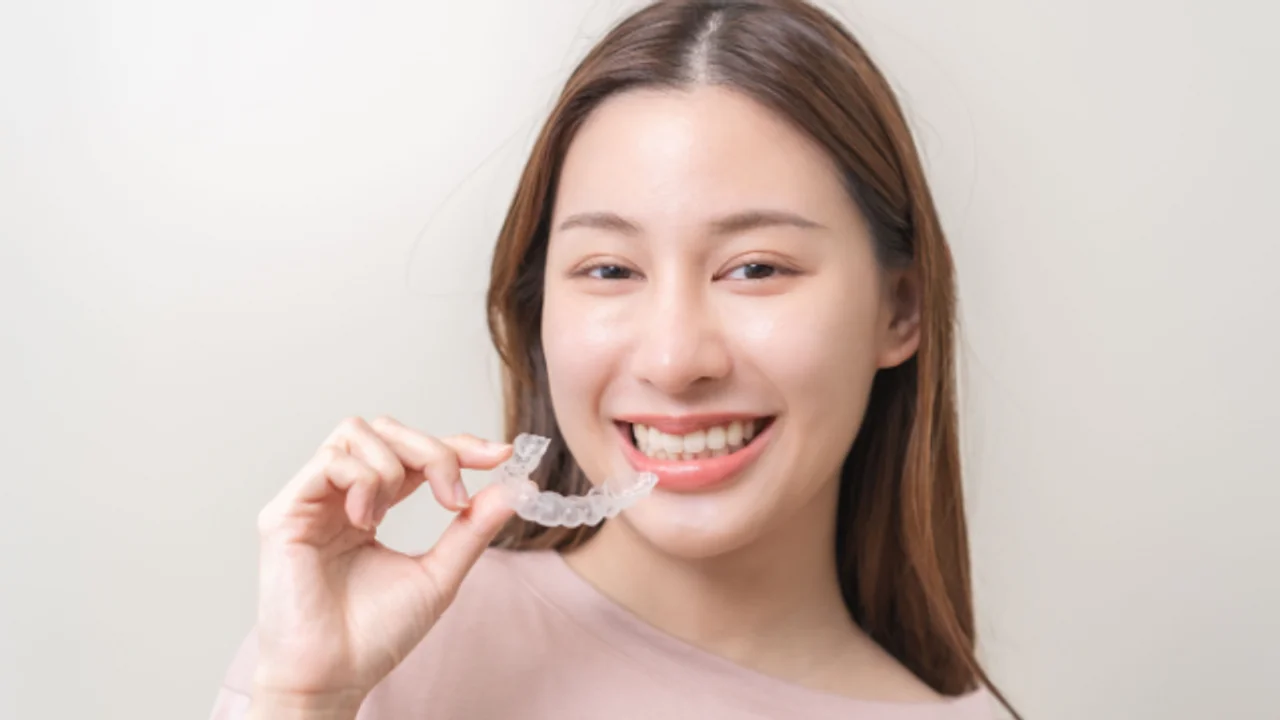
Traditional orthodontics often presents a dilemma for Korean professionals: the desire for a perfect smile versus the "social cost" of visible metal brackets. Lingual Braces solve this by being entirely hidden from view. Unlike clear aligners, which must be removed and replaced frequently, lingual systems offer continuous 24/7 correction without the wearer ever showing a wire.
What are the primary benefits of the lingual approach?
- Total Invisibility: Brackets are bonded to the back of the teeth, making them invisible during speaking or smiling.
- High Precision: Modern systems like Incognito or Harmony are custom-engineered using CAD/CAM technology to fit the unique anatomy of each tooth.
- Effective for Complex Cases: While aligners may struggle with certain rotations, lingual braces provide the mechanical leverage needed for complex bite corrections.
Traditional Braces vs. Lingual Systems: Cost, Comfort, and Outcomes
In the Korean dental market, patients typically choose between three main paths. While traditional metal or ceramic braces are the most common, they often fall short of the aesthetic demands of Seoul’s high-paced professional environment.
| **Feature ** | ** Traditional Metal/Ceramic ** | ** Clear Aligners (Invisalign)** | ** Lingual Braces (Hidden)** |
|---|---|---|---|
| Visibility | High (Visible metal/wire) | Low (Removable plastic) | Zero (Completely hidden) |
| Treatment Control | Doctor-led, 24/7 wear | Patient-dependent | Doctor-led, 24/7 wear |
| Average Cost in Seoul | ₩3.5M – ₩6M | ₩5M – ₩8M | ₩7M – ₩11M |
| Downtime/Adaptation | 1–2 weeks (cheeks) | 2–3 days (speech) | 1–2 weeks (tongue) |
Common Pain Points of Conventional Care:
The Innovative Approach: CAD/CAM-Driven Lingual Orthodontics
How it works:
Q: Are Lingual Braces in Korea worth the higher cost?
More Dental Articles
Continue reading our clinical dental guides.
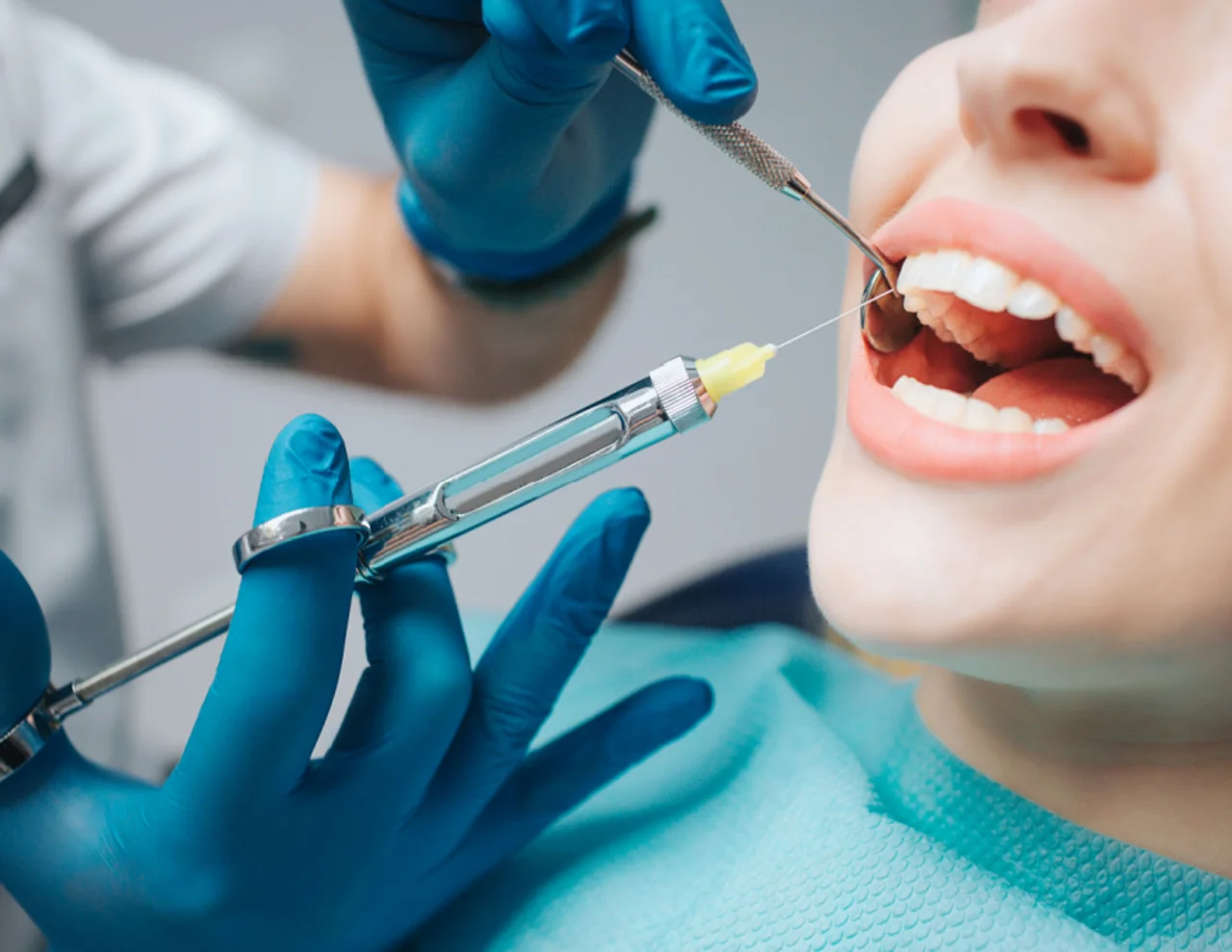
Korean Dental Anesthesia Market: Projected $80M Revenue by 2035
In the rapidly evolving landscape of South Korean healthcare, patient comfort has transitioned from a luxury to a baseline expectation.
Learn More

Why Non-Surgical Orthodontics Reduces Long-Term Dental Costs
The landscape of dental care in South Korea is shifting rapidly as patients increasingly prioritize long-term functional health over quick aesthetic fixes.
Learn More
Comparing Orthodontic Treatment Fees: Korea vs Japan Benchmarks
The decision to pursue orthodontic treatment is a long-term investment in both oral health and facial aesthetics. For patients in the Asia-Pacific region, South Korea and Japan represent the two most prominent hubs for advanced dental care.
Learn More