Advanced Orthodontics, Implants & Cosmetic Dentistry in Gangnam, Seoul · International Patient Concierge

Dental Guide
Teeth Whitening for Smokers: What Works and What Doesn’t
Discover effective teeth whitening for smokers—what really works and what to avoid. Brighten your smile safely and confidently. Learn more today!
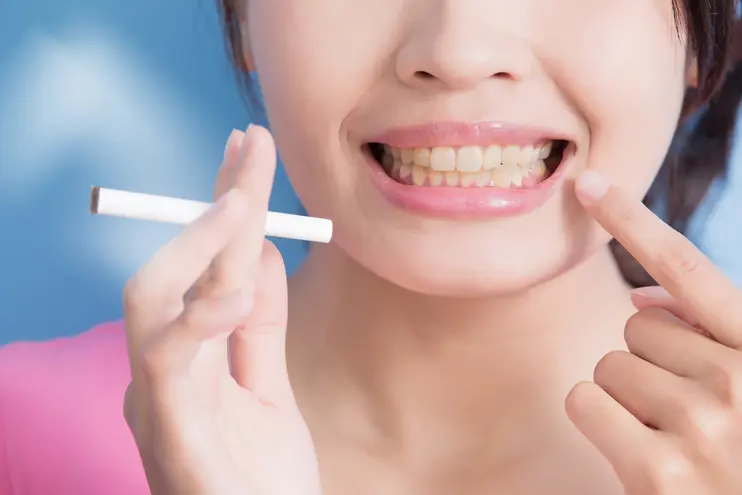
Schedule a ConsultationIntroduction\n\n \n\nIn Gangnam, where polished aesthetics and self-care are highly valued, a bright, confident smile is more than a cosmetic bonus—it’s often a personal and professional asset. Yet for many smokers, achieving and maintaining white teeth can feel like chasing a moving target. The mirror reflects years of habits in the form of yellowing enamel, stubborn brown stains, or a dull, aged look that doesn’t align with how vibrant they feel inside.\n\nYou might be wondering: "Can I still get a brilliant white smile even if I smoke or used to smoke?" The answer is yes—but with caveats. As a clinic specializing in cosmetic and integrated dentistry in Gangnam, Smile View Dental Clinic sees numerous patients, both local and international, navigating this exact concern. What we’ve found is that while smokers can achieve excellent whitening results, the journey requires more precision, maintenance, and realistic expectations.\n\nLet’s explore what works, what doesn’t, and how to set yourself up for long-lasting success.\n\n## Why Smoking Discolors Teeth So Deeply\n\nTo understand how to treat smoker-stained teeth, we first need to understand how smoking causes stains. Unlike coffee or wine stains, which are typically surface-level, tobacco smoke introduces a mix of tar, nicotine, and combustion by-products that penetrate the enamel.\n\n- Extrinsic Stains: These form on the surface. Tar creates a sticky film, and nicotine oxidizes into a yellowish pigment that clings to enamel.\n\n- Intrinsic Discoloration: Over time, the pigment can seep into micro-cracks and porous areas, causing deeper, more resistant stains.\n\n- Dry Mouth Effect: Smoking reduces saliva flow, which naturally cleanses the mouth. Less saliva means more bacterial growth, plaque, and stain retention.\n\nThis combination of effects makes smoker stains more stubborn and persistent, requiring a more intensive approach than what might work for the average non-smoker. Interestingly, a study from COEHAR found that former smokers who transitioned to heated tobacco products or e-cigarettes had significantly whiter teeth than those who continued combustive smoking. This supports a key takeaway: reducing or eliminating smoking dramatically improves whitening outcomes.\n\n## What Works: Clinically Proven Whitening for Smokers\n\n
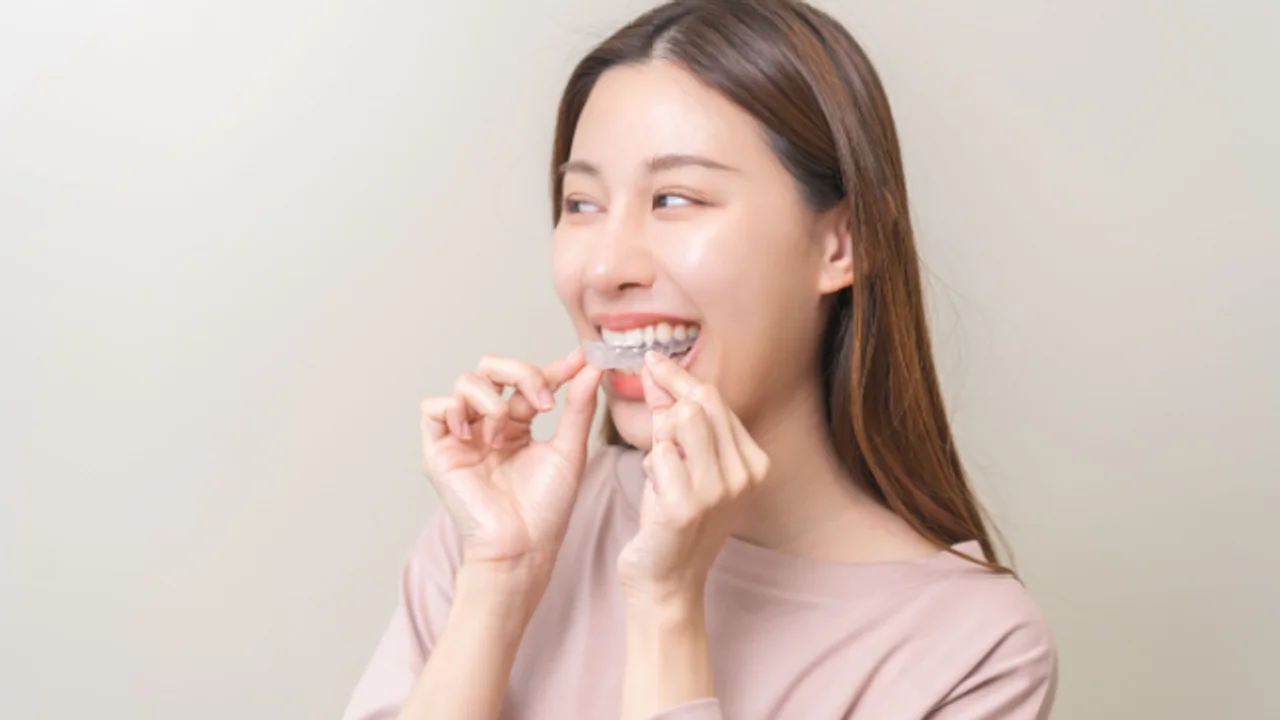
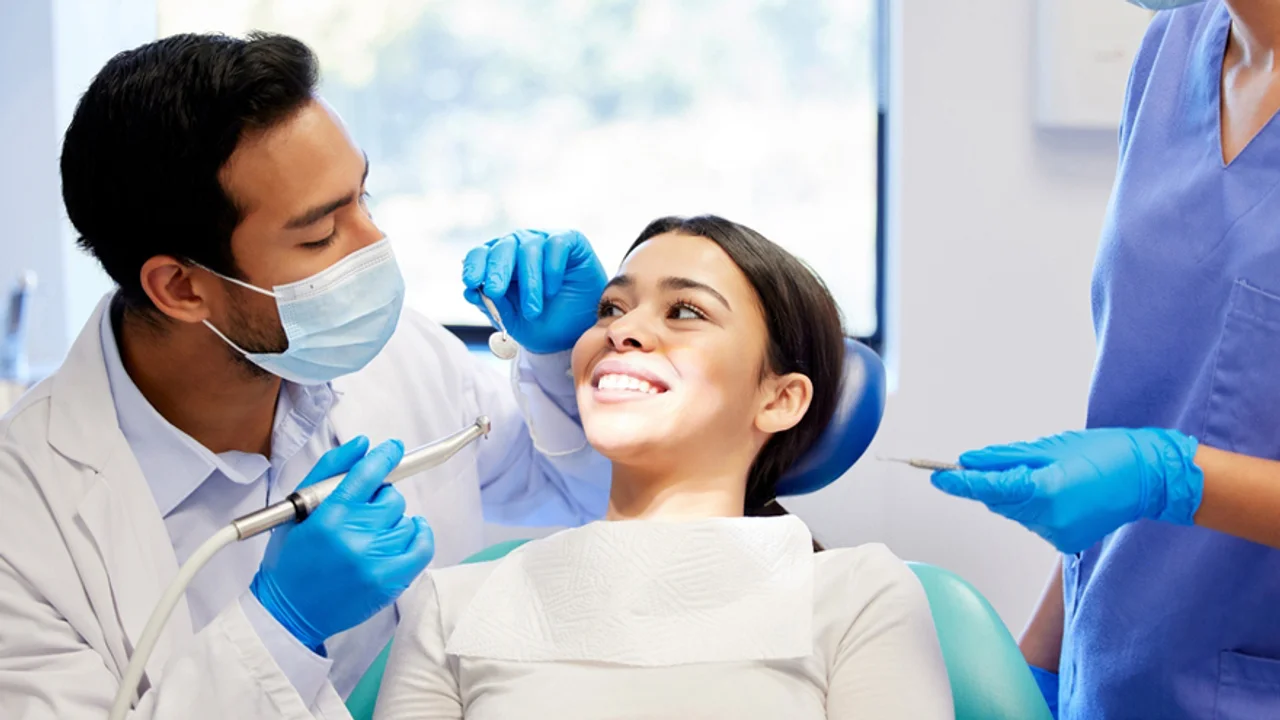 \n\n### 1. Professional Whitening (In-Office or Supervised At-Home)\n\n- At-Home Whitening: Custom trays and lower-concentration gel used over 2–4 weeks. Gentler and ideal for sensitive patients, especially those with early enamel wear from smoking or aggressive brushing.\n\n

More Dental Articles
Continue reading our clinical dental guides.
Korean Dental Anesthesia Market: Projected $80M Revenue by 2035
In the rapidly evolving landscape of South Korean healthcare, patient comfort has transitioned from a luxury to a baseline expectation.
Learn More
Why Non-Surgical Orthodontics Reduces Long-Term Dental Costs
The landscape of dental care in South Korea is shifting rapidly as patients increasingly prioritize long-term functional health over quick aesthetic fixes.
Learn More
Comparing Orthodontic Treatment Fees: Korea vs Japan Benchmarks
The decision to pursue orthodontic treatment is a long-term investment in both oral health and facial aesthetics. For patients in the Asia-Pacific region, South Korea and Japan represent the two most prominent hubs for advanced dental care.
Learn More