Advanced Orthodontics, Implants & Cosmetic Dentistry in Gangnam, Seoul · International Patient Concierge

Dental Guide
Teeth Grinding While You Work? Here’s How to Stop
Struggling with teeth grinding while working? Discover effective tips to stop bruxism, protect your smile, and boost focus. Learn how to take control now!
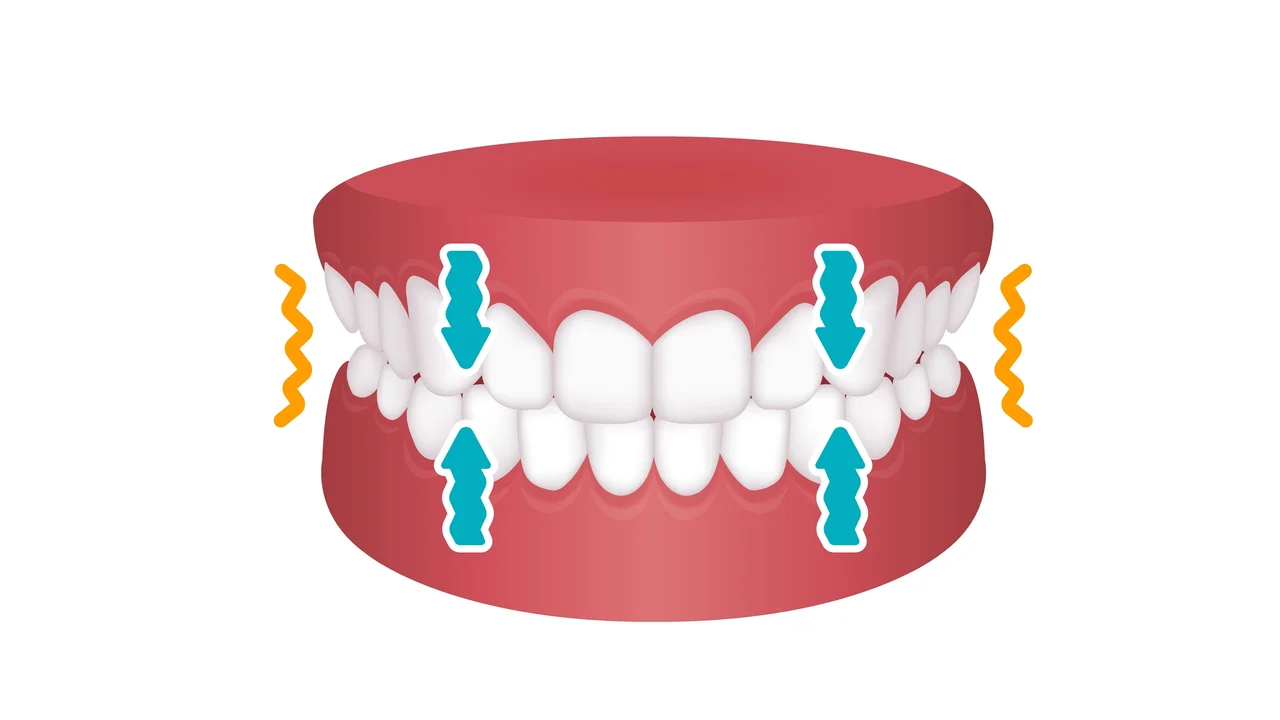
Schedule a ConsultationIntroduction: When the Daily Grind Becomes a Literal Problem\n\n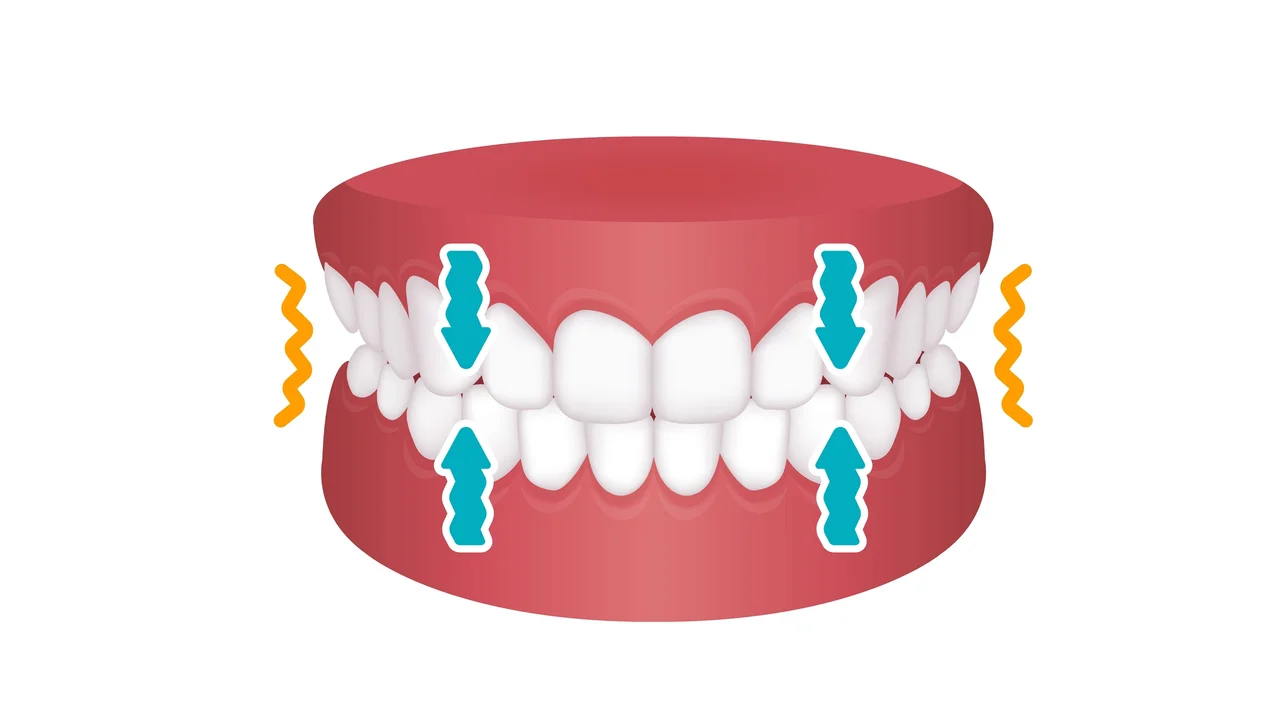 \n\nYou're deep into a spreadsheet, typing out an urgent email, or caught in back-to-back Zoom meetings. Without realizing it, your jaw tenses. Your teeth press together. Maybe you even catch yourself grinding lightly. Sound familiar?\n\nAt Smile View Dental Clinic in Gangnam, we've noticed an increasing number of patients reporting jaw fatigue, unexplained tooth sensitivity, and even chipped restorations. Surprisingly, many of these issues aren’t happening at night—they're occurring during the day, right at the desk. This form of daytime bruxism (or teeth grinding), also known as "awake bruxism," is more than a nervous habit; it's a silent workplace problem with long-term dental consequences.\n\nIn a fast-paced district like Gangnam, where both aesthetic standards and work demands are high, this issue is particularly relevant. In this article, we’ll explore what causes teeth grinding at work, why it matters, and most importantly—how you can stop it.\n\n## What is Awake Bruxism?\n\nBruxism is a medical term for grinding or clenching your teeth. It typically comes in two forms: sleep bruxism (which happens at night) and awake bruxism (which occurs during waking hours).\n\n### When it happens during work, it often involves:\n\n- Clenching your jaw while focusing\n\n- Grinding your teeth in high-pressure meetings\n\n- Keeping your teeth in constant contact outside of chewing or swallowing\n\nUnlike sleep bruxism, you may be partially aware that you're doing it, but it becomes such an automatic habit that the damage builds silently. It's like playing a piano key over and over—eventually, the string breaks, even if the sound isn't loud.\n\n## Why You Grind Your Teeth While Working?\n\n### 1. Stress and Mental Load\n\nGangnam’s professional culture often demands excellence and urgency. This constant pressure activates the body’s stress response, causing subconscious clenching or grinding as a physical outlet for emotional or cognitive overload. The brain, overloaded with tasks and deadlines, sends micro-signals to the muscles to brace, often resulting in jaw tension.\n\n### 2. Poor Posture and Ergonomics\n\nSlouching, craning your neck forward, or sitting with unsupported shoulders alters your head and jaw alignment. This creates muscular imbalances, leading your jaw to brace unconsciously. Picture your head as a bowling ball—when it's misaligned, your jaw compensates to stabilize your posture. Over time, this can build into a grinding habit.\n\n### 3. Concentration Habits\n\n### 4. Caffeine and Stimulants\n\n### 5. Bite Irregularities and Dental Work\n\n
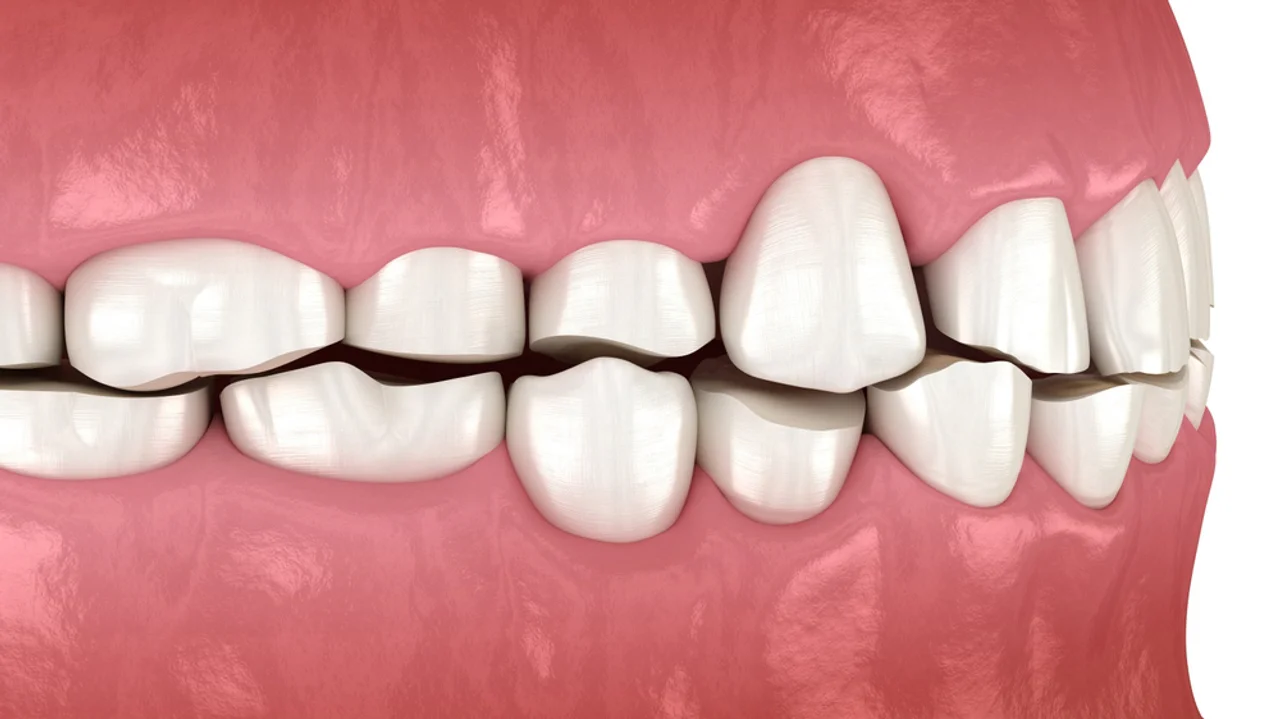 \n\n### Physical Consequences\n\n

More Dental Articles
Continue reading our clinical dental guides.
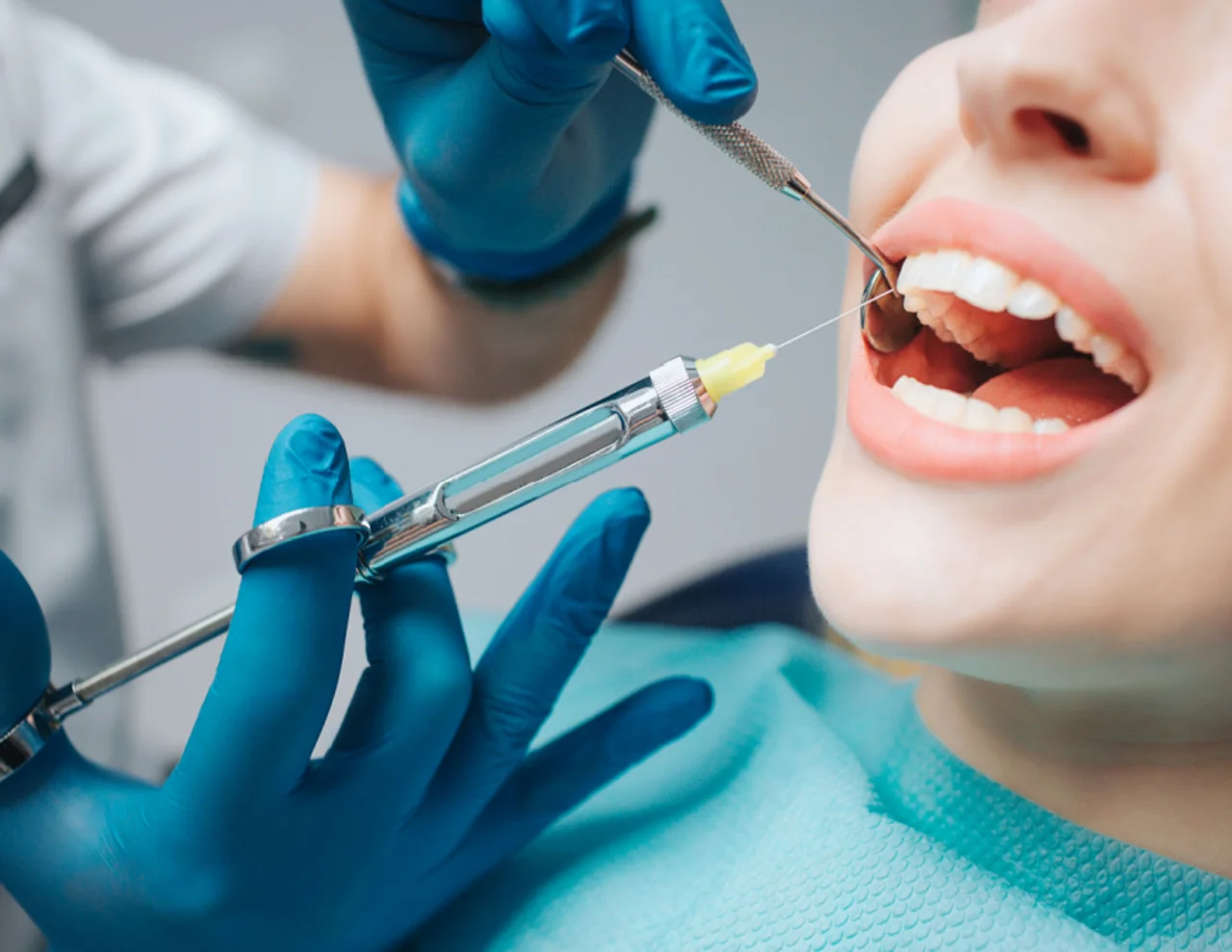
Korean Dental Anesthesia Market: Projected $80M Revenue by 2035
In the rapidly evolving landscape of South Korean healthcare, patient comfort has transitioned from a luxury to a baseline expectation.
Learn More

Why Non-Surgical Orthodontics Reduces Long-Term Dental Costs
The landscape of dental care in South Korea is shifting rapidly as patients increasingly prioritize long-term functional health over quick aesthetic fixes.
Learn More
Comparing Orthodontic Treatment Fees: Korea vs Japan Benchmarks
The decision to pursue orthodontic treatment is a long-term investment in both oral health and facial aesthetics. For patients in the Asia-Pacific region, South Korea and Japan represent the two most prominent hubs for advanced dental care.
Learn More