Advanced Orthodontics, Implants & Cosmetic Dentistry in Gangnam, Seoul · International Patient Concierge

Dental Guide
Self-Ligating vs Traditional Braces: Which Is Faster
Self ligating vs traditional braces compared honestly: how each works, comfort, visit frequency, and what the evidence says about which moves teeth faster.
Schedule a ConsultationSelf-Ligating vs Traditional Braces: Which Moves Teeth Faster
Medically reviewed by Dr. Hangyeol Kim, D.D.S., Chief Director, Smile View Dental Clinic · Last updated July 2026
When patients ask about self ligating vs traditional braces, the question underneath is usually "which one gets me out of braces faster and with less hassle?" It is a fair question, and it deserves an honest answer rather than marketing. This guide explains how each system works, what differs in comfort and visit frequency, and what the clinical evidence actually shows about treatment speed. We ground the clinic details in what Smile View Dental Clinic in Gangnam, Seoul offers, and we use independent sources such as the American Association of Orthodontists and peer-reviewed research for the general claims.
Both are proven, effective options. The right one depends on your priorities and your case, which is exactly what a consultation is for.
How Both Systems Work
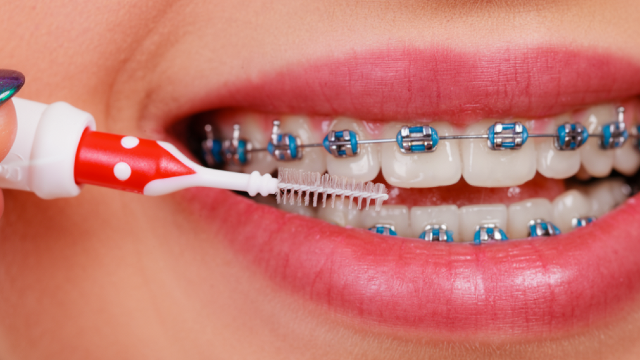
Braces move teeth using the same basic mechanism regardless of type. According to the American Association of Orthodontists, braces are made of brackets bonded to each tooth and an archwire that runs between them; the wire applies gentle, continuous pressure that gradually shifts teeth into alignment. The difference between the two systems is simply how the wire is held to the bracket.
- Traditional braces use a small elastic tie or a fine metal wire to hold the archwire in each bracket. These are the classic, widely used metal braces.
- Self-ligating braces use a bracket with a built-in clip or tiny door (no elastic ties) to hold the wire. Smile View Dental uses the Clippy-C self-ligating bracket system.
Because a self-ligating bracket holds the wire with a built-in clip rather than a tie, it creates less friction between the wire and the bracket. The AAO notes that this design minimizes friction and generally allows a longer interval between appointments. That single mechanical difference is the source of most of the comfort and visit-frequency claims you will read.
Which Moves Teeth Faster? The Honest Answer
Here is where honesty matters most. Self-ligating braces are frequently marketed as faster, and the reduced friction is a genuine mechanical difference. Smile View Dental describes its Clippy-C self-ligating system as reducing friction for quicker, more comfortable adjustments and fewer visits than some traditional bracket systems.
However, the broader clinical evidence is more measured, and you deserve to know that. Systematic reviews comparing self-ligating and conventional brackets have generally found limited or no statistically significant differences in overall treatment time, the number of appointments, or pain during early treatment. In other words, the reduced friction is real, but it does not reliably translate into dramatically shorter overall treatment for the average patient in the published research.
More Dental Articles
Continue reading our clinical dental guides.
Korean Dental Anesthesia Market: Projected $80M Revenue by 2035
In the rapidly evolving landscape of South Korean healthcare, patient comfort has transitioned from a luxury to a baseline expectation.
Learn More
Why Non-Surgical Orthodontics Reduces Long-Term Dental Costs
The landscape of dental care in South Korea is shifting rapidly as patients increasingly prioritize long-term functional health over quick aesthetic fixes.
Learn More
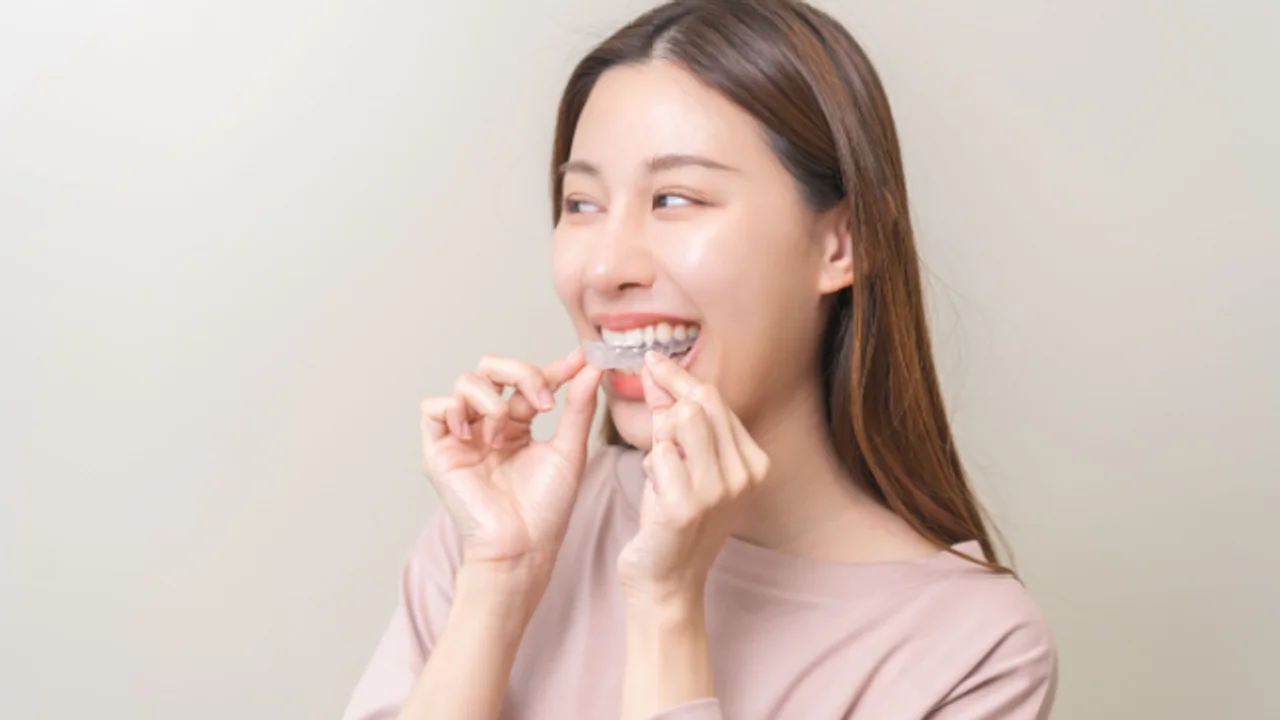
Comparing Orthodontic Treatment Fees: Korea vs Japan Benchmarks
The decision to pursue orthodontic treatment is a long-term investment in both oral health and facial aesthetics. For patients in the Asia-Pacific region, South Korea and Japan represent the two most prominent hubs for advanced dental care.
Learn More