Advanced Orthodontics, Implants & Cosmetic Dentistry in Gangnam, Seoul · International Patient Concierge

Dental Guide
Root Canal Recovery: What’s Normal and What’s Not
Recovering from a root canal? Discover what’s normal, what’s not, and when to call your dentist. Learn more to ensure a smooth healing process.
Schedule a ConsultationIntroduction: What Comes After the Root Canal?
For many patients, the term "root canal" can evoke a mix of emotions: relief, anxiety, and curiosity. But one part of the experience that's often overlooked is recovery. What happens after the procedure? How will your mouth feel? What symptoms are routine, and which ones warrant a call to your dentist?
At Smile View Dental Clinic in Gangnam, we’ve helped thousands of patients through the entire root canal journey — from first consultation to final crown placement. Our approach is holistic, minimally invasive, and deeply tailored to each patient’s needs. We believe recovery isn’t just about physical healing, but also about restoring your confidence and peace of mind.
Whether you are a local patient from Seoul or a visitor seeking world-class care in South Korea, this guide will help you navigate the recovery process with clarity. Here, we go beyond generic dental advice to offer practical, clinically grounded insight based on years of experience. You'll learn what to expect during each phase of healing, how to manage common symptoms, and how to recognize signs that warrant immediate attention.
Let’s walk through what’s normal during root canal recovery, what’s not, and how to ensure the smoothest healing possible.
What Is a Root Canal and Why Is Recovery Important?
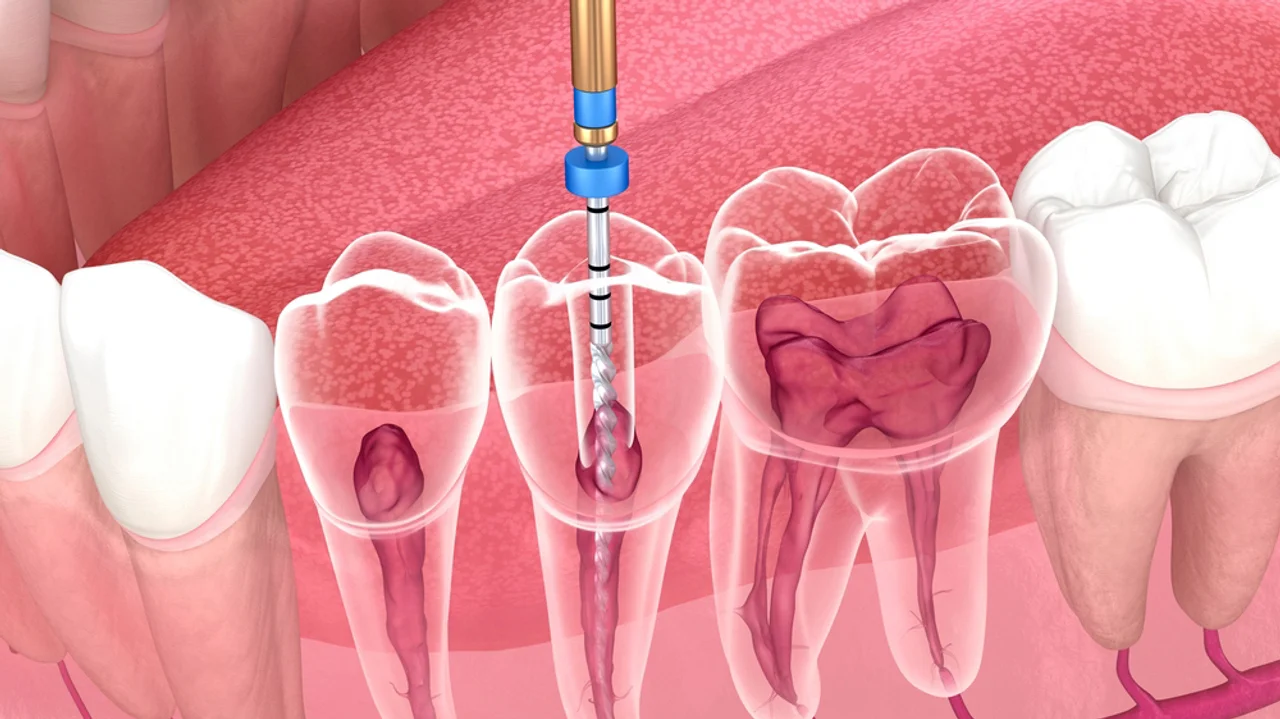
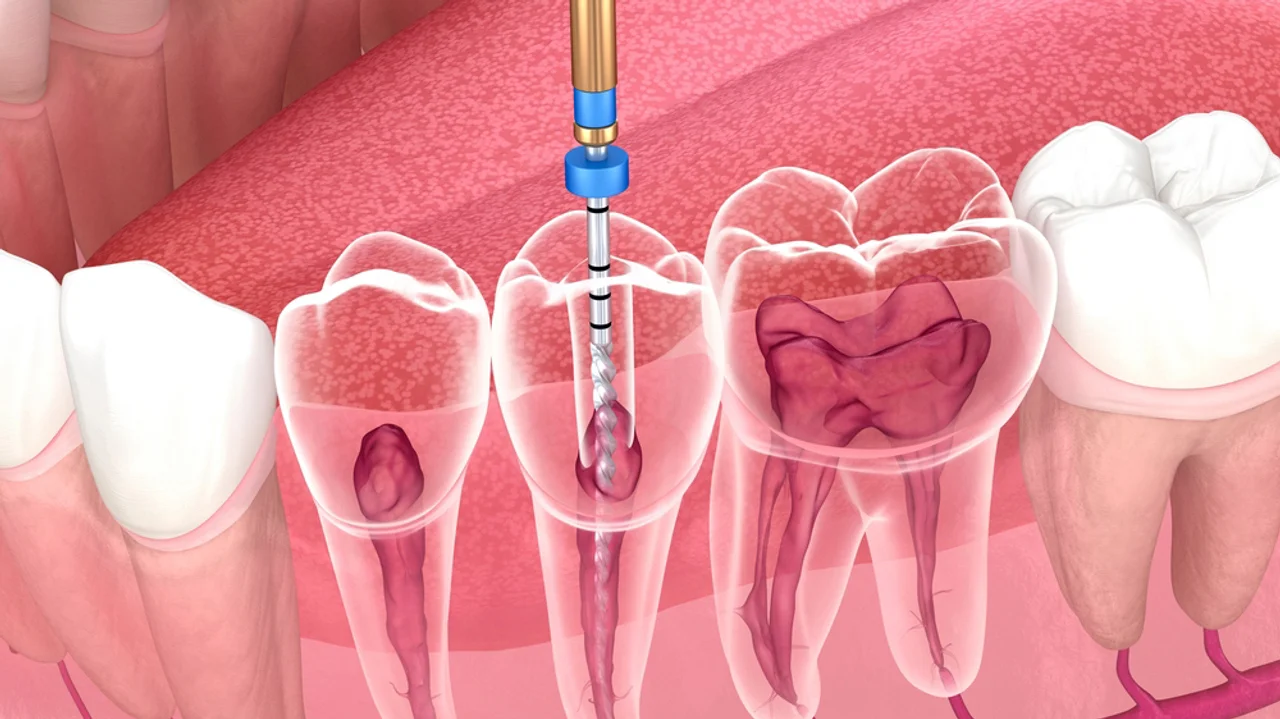
A root canal is a procedure designed to save a severely damaged or infected tooth by removing the inflamed pulp inside the root canals, disinfecting the area, and sealing it. Though the tooth’s nerve is removed, the structure remains functional and pain-free, especially once restored with a crown.
It may help to think of a root canal as an intricate internal cleaning, like overhauling the engine of a luxury car. We preserve the visible exterior, but the internal systems are carefully treated and repaired. At Smile View Dental Clinic, we often use advanced tools such as 3D cone beam imaging and microscopic endodontics to ensure precision and minimize unnecessary trauma to surrounding tissues.
However, even with state-of-the-art care, the tissues surrounding the tooth have been affected by infection, inflammation, and the treatment process itself. That’s why recovery plays a vital role in achieving full oral health and preventing complications.
What’s Normal After a Root Canal
1. Mild to Moderate Pain or Discomfort
2. Sensitivity to Pressure or Temperature
3. Slight Gum Swelling
4. Bite Awareness or Uneven Bite
5. Minor Bruising or Jaw Soreness
What’s Not Normal: Warning Signs You Shouldn’t Ignore
- A lingering infection

Diet
More Dental Articles
Continue reading our clinical dental guides.
Korean Dental Anesthesia Market: Projected $80M Revenue by 2035
In the rapidly evolving landscape of South Korean healthcare, patient comfort has transitioned from a luxury to a baseline expectation.
Learn More

Why Non-Surgical Orthodontics Reduces Long-Term Dental Costs
The landscape of dental care in South Korea is shifting rapidly as patients increasingly prioritize long-term functional health over quick aesthetic fixes.
Learn More

Comparing Orthodontic Treatment Fees: Korea vs Japan Benchmarks
The decision to pursue orthodontic treatment is a long-term investment in both oral health and facial aesthetics. For patients in the Asia-Pacific region, South Korea and Japan represent the two most prominent hubs for advanced dental care.
Learn More