Advanced Orthodontics, Implants & Cosmetic Dentistry in Gangnam, Seoul · International Patient Concierge

Dental Guide
Replacing Multiple Teeth: Implant vs. Denture Options Explained
 Replacing multiple missing teeth can be a life-changing decision, and at Smile View Dental Clinic, we understand that it’s about more than just.
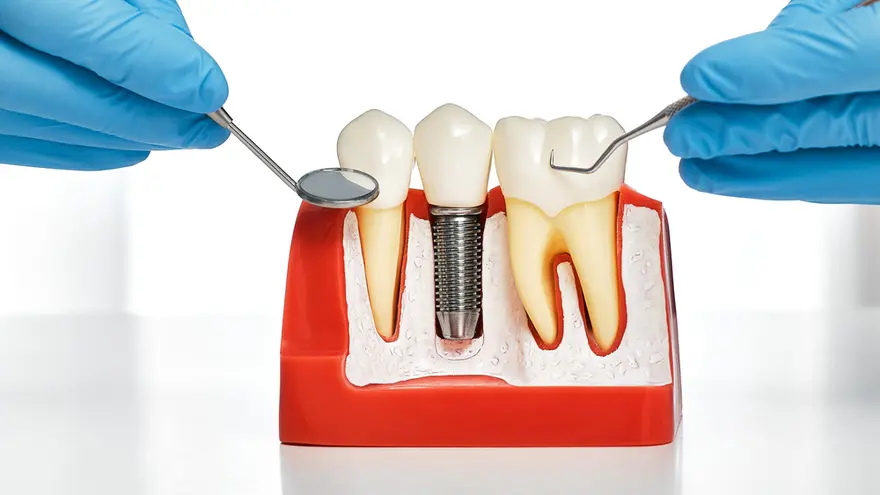
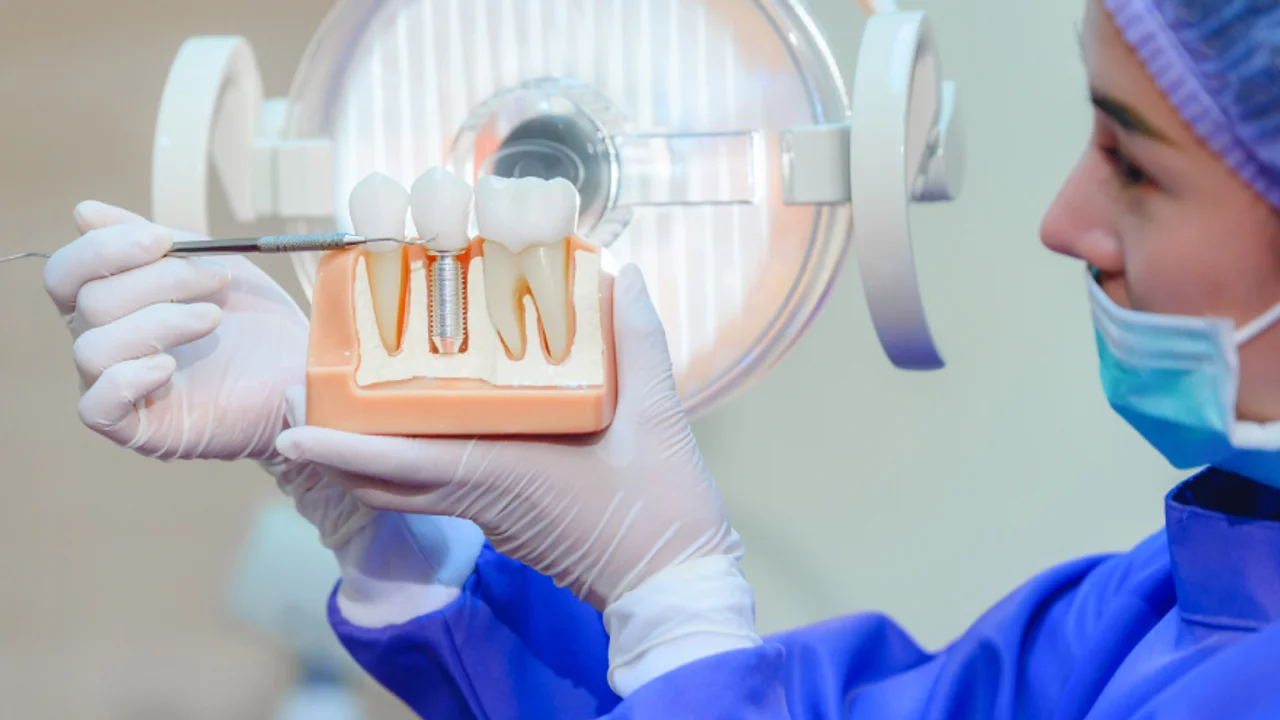
Schedule a Consultation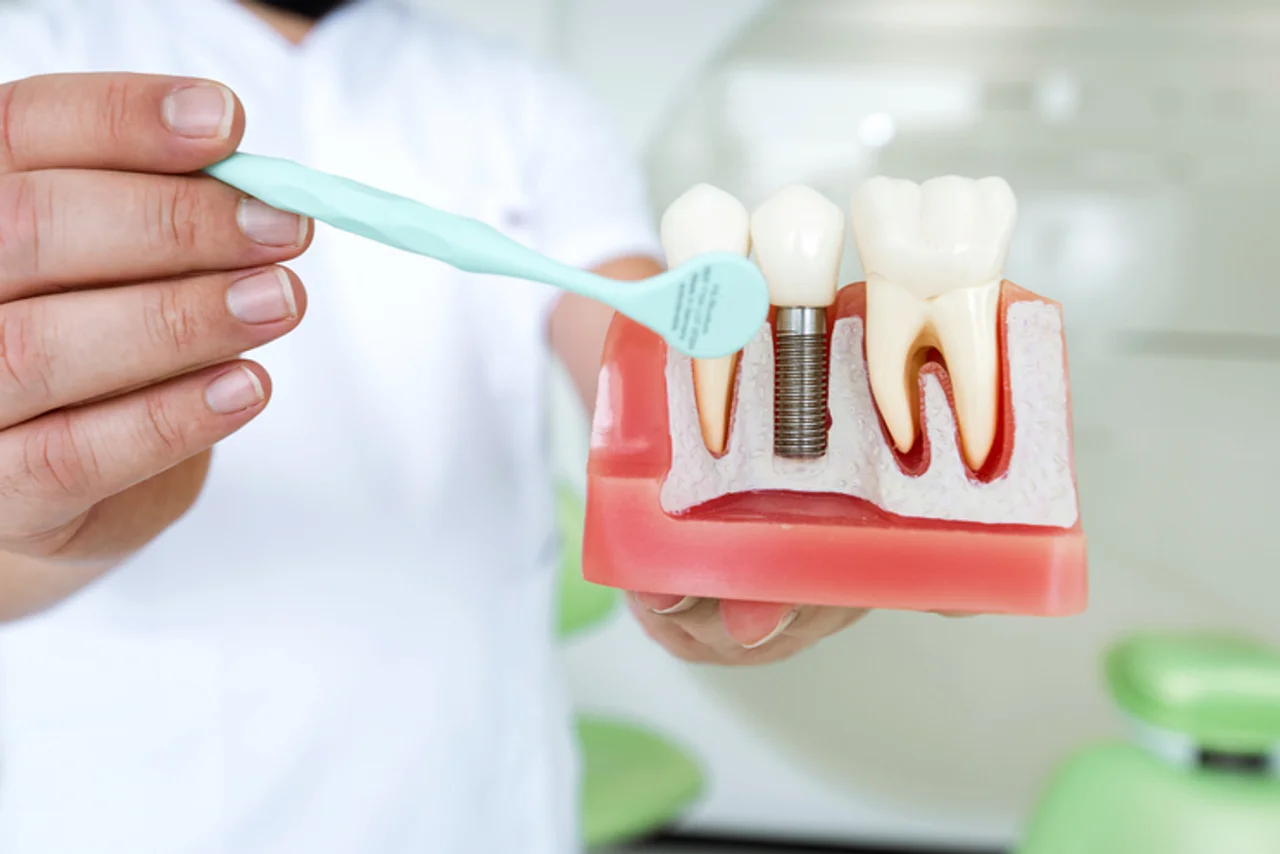 \n\nReplacing multiple missing teeth can be a life-changing decision, and at Smile View Dental Clinic, we understand that it’s about more than just functionality—it’s about restoring confidence, comfort, and your natural smile. Whether you’ve lost teeth due to aging, injury, or dental disease, the options for replacement can be overwhelming. Among the most popular choices are dental implants and dentures.\n\nBoth solutions can restore your smile and improve your quality of life, but the choice depends on several factors, including your overall health, budget, and aesthetic goals. Let’s break down the pros and cons of dental implants and dentures to help you decide which option is right for you.\n\n## What Are Dental Implants?\n\nDental implants are titanium posts surgically placed into your jawbone, acting as artificial tooth roots. Once the implant integrates with the bone (a process called osseointegration), a custom crown, bridge, or full set of teeth can be attached. Dental implants are known for their durability, natural look, and ability to mimic the function of real teeth.\n\n## What Are Dentures?\n\nDentures are removable prosthetic devices designed to replace missing teeth. Full dentures replace all the teeth in an arch, while partial dentures are used when some natural teeth remain. They are custom-made to fit snugly over your gums and are typically held in place by suction or a dental adhesive.\n\n## Comparing Implants and Dentures: Key Differences\n\n1. Stability and Comfort\n\nOne of the biggest differences between implants and dentures lies in their stability.\n\n- Dental Implants: Implants are anchored directly into the jawbone, making them incredibly stable. This means they won’t shift or move while eating or speaking. They also feel like natural teeth, providing more comfort compared to removable options.\n- Dentures: Dentures, on the other hand, rest on your gums and are prone to shifting, especially if the fit becomes looser over time. While modern dentures are more comfortable than ever, they may require adhesives for better stability, and some people find them less natural feeling compared to implants.\n\n2. Longevity\n\n- Dental Implants: With proper care, dental implants can last for decades, often a lifetime. Their durability is one of the primary reasons why many people choose implants despite their higher initial cost.\n- Dentures: While dentures can last for several years, they typically require replacement or adjustments as your jawbone changes shape over time. This is especially true for full dentures, which are prone to becoming loose as the bone beneath them shrinks.\n\n3. Functionality\n\n
 \n\n
More Dental Articles
Continue reading our clinical dental guides.
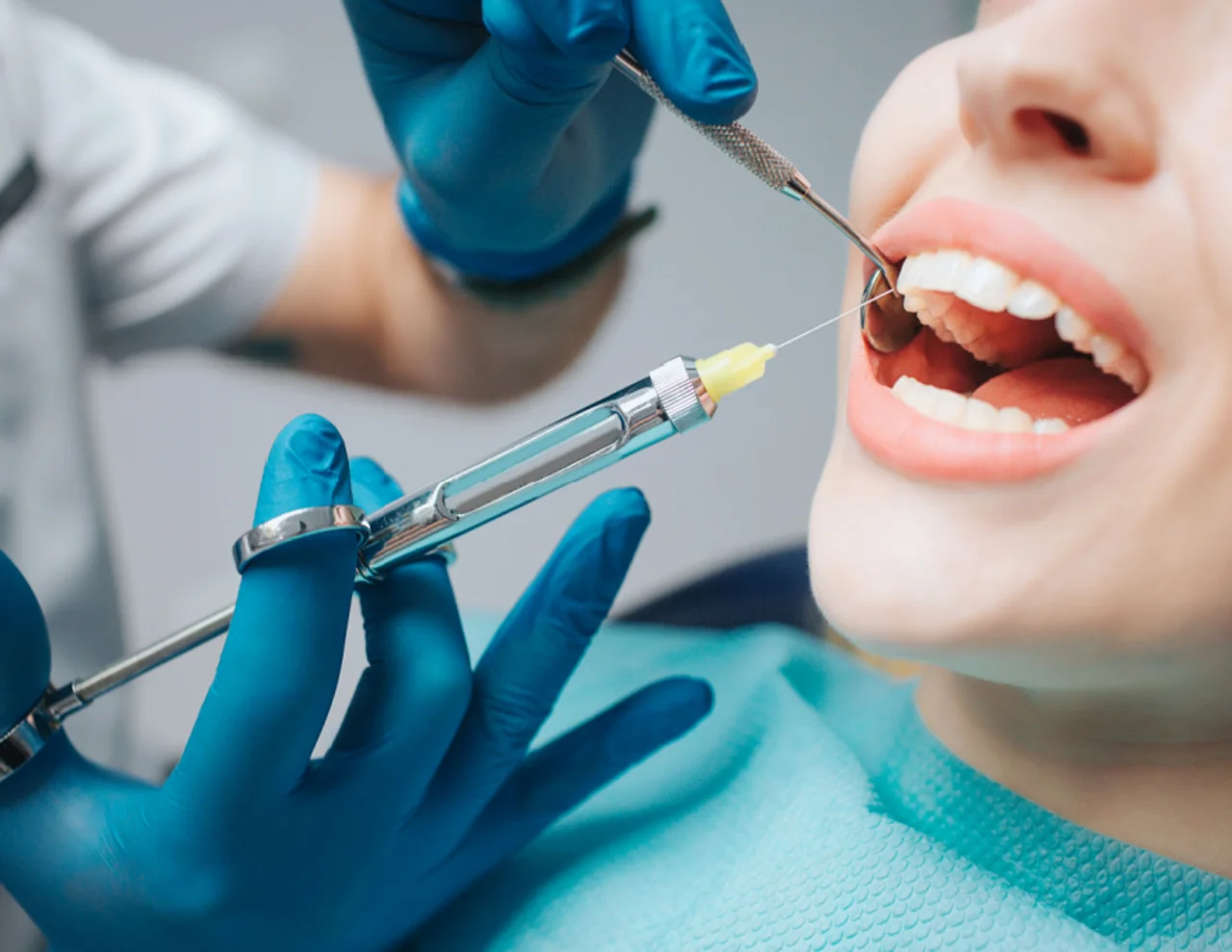
Korean Dental Anesthesia Market: Projected $80M Revenue by 2035
In the rapidly evolving landscape of South Korean healthcare, patient comfort has transitioned from a luxury to a baseline expectation.
Learn More
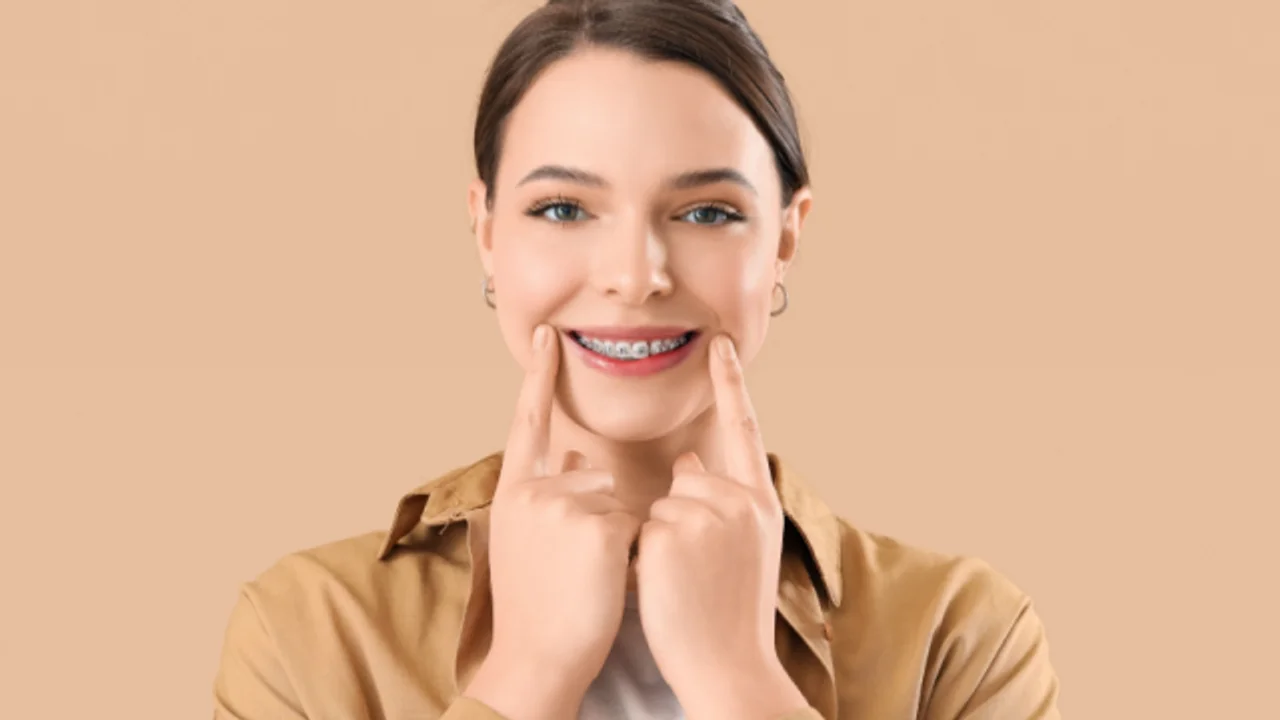
Why Non-Surgical Orthodontics Reduces Long-Term Dental Costs
The landscape of dental care in South Korea is shifting rapidly as patients increasingly prioritize long-term functional health over quick aesthetic fixes.
Learn More
Comparing Orthodontic Treatment Fees: Korea vs Japan Benchmarks
The decision to pursue orthodontic treatment is a long-term investment in both oral health and facial aesthetics. For patients in the Asia-Pacific region, South Korea and Japan represent the two most prominent hubs for advanced dental care.
Learn More