Advanced Orthodontics, Implants & Cosmetic Dentistry in Gangnam, Seoul · International Patient Concierge

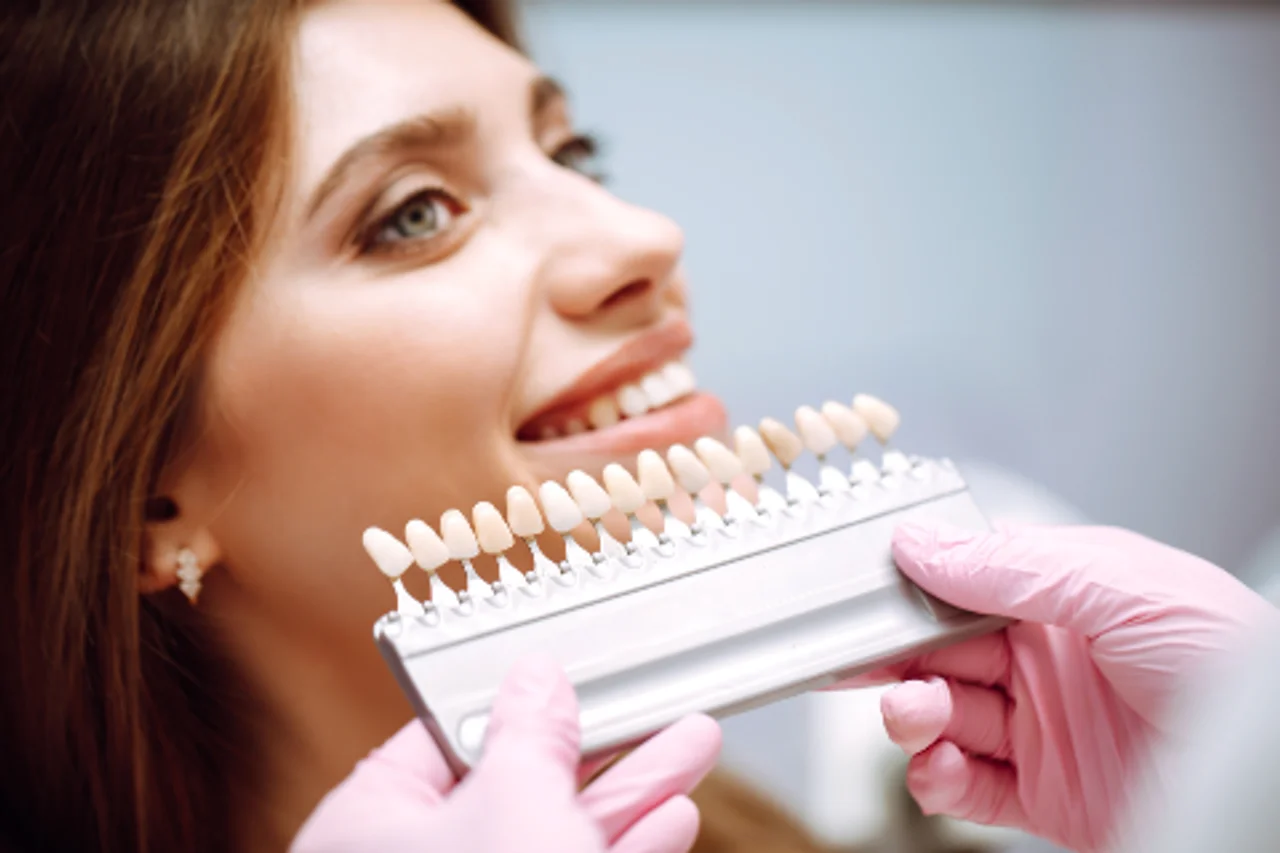
Dental Guide
Porcelain Veneers vs No-Prep Veneers: Honest Guide
Porcelain veneers vs no-prep veneers compared honestly: enamel reduction, reversibility, candidates, and cost drivers for US patients in Seoul, Korea.
Schedule a ConsultationPorcelain Veneers vs No-Prep Veneers: An Honest Comparison for US Patients
Medically reviewed by Dr. Hangyeol Kim, D.D.S., Chief Director, Smile View Dental Clinic · Last updated July 2026
The most important thing to understand about porcelain veneers vs no prep veneers is a single trade-off: porcelain veneers require permanently reducing some of your natural tooth, while no-prep veneers remove little to none. Smile View Dental Clinic in Gangnam, Seoul offers both, and neither is universally "better" — each suits different teeth and goals. This honest comparison walks through how they differ in tooth preparation, reversibility, candidacy, and cost so U.S. patients can weigh the options before committing to anything irreversible.
Veneers are slim, custom-made shells attached to the front of teeth to correct cosmetic issues such as chips, cracks, discoloration, or small teeth. At this clinic they are typically applied to 6–8 upper front teeth for a balanced, even smile. Both types share that basic purpose; the difference lies in how much tooth is altered to place them.
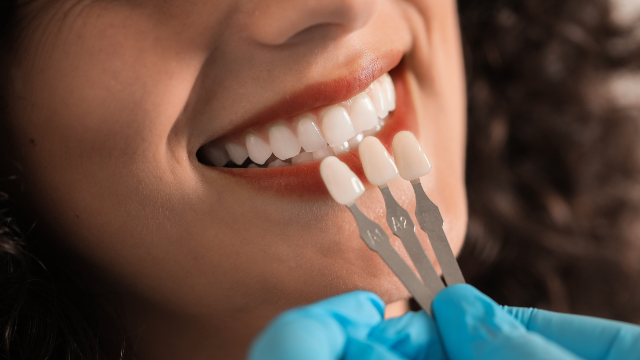
What is the difference between porcelain and no-prep veneers?
The core difference is enamel removal. Traditional porcelain veneers require tooth-structure reduction — some enamel is permanently removed so the veneer can sit flush and bond well. No-prep veneers involve minimal to no enamel removal, affecting only the enamel surface without removing deeper layers.
At Smile View Dental Clinic, the two options are documented as:
- Traditional porcelain veneers — require enamel-level tooth reduction and a lab fabrication cycle (about one week), with temporary veneers worn in the meantime.
- No-prep veneers — impact only the enamel surface without removing deeper layers, making the process quicker, less invasive, and often able to skip the temporary-veneer step.
That difference in preparation ripples through everything else: comfort during treatment, whether the change is reversible, who is a good candidate, and how many steps the process takes. As general education from the American Dental Association and Cleveland Clinic notes, porcelain veneers involve removing a thin layer of enamel and are considered irreversible for that reason — which is exactly why the preparation choice deserves careful thought.
How porcelain veneers work
Porcelain veneers involve reducing a small amount of enamel, taking impressions, and bonding a custom lab-made shell to each tooth. Because enamel is permanently removed, this is an irreversible treatment.
At the clinic, the process is a two-visit sequence:
Local anesthesia may be used for porcelain veneer preparation, since it involves grinding down part of the tooth structure. The clinic notes that this preparation is irreversible and can be uncomfortable, which is one honest downside to weigh.
More Dental Articles
Continue reading our clinical dental guides.
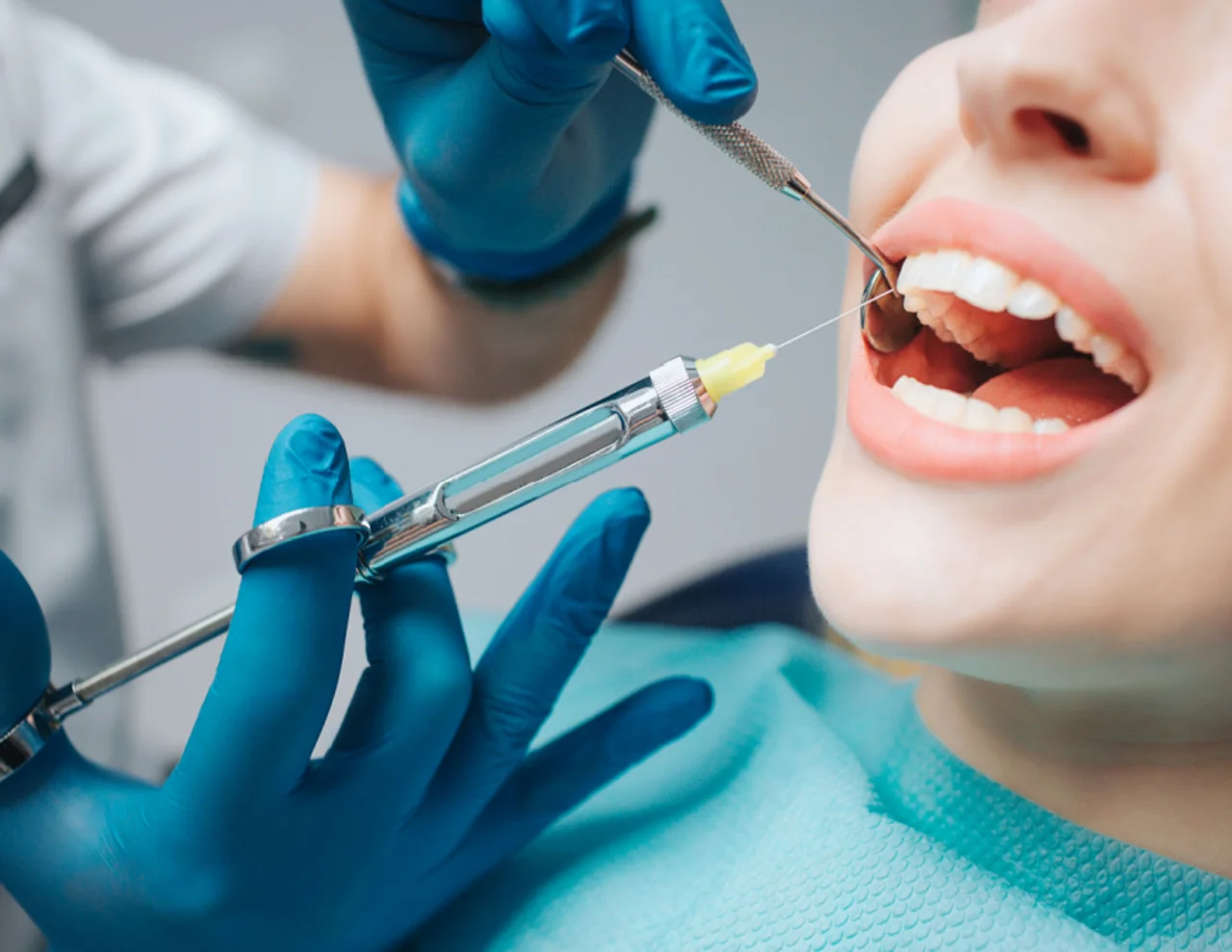
Korean Dental Anesthesia Market: Projected $80M Revenue by 2035
In the rapidly evolving landscape of South Korean healthcare, patient comfort has transitioned from a luxury to a baseline expectation.
Learn More
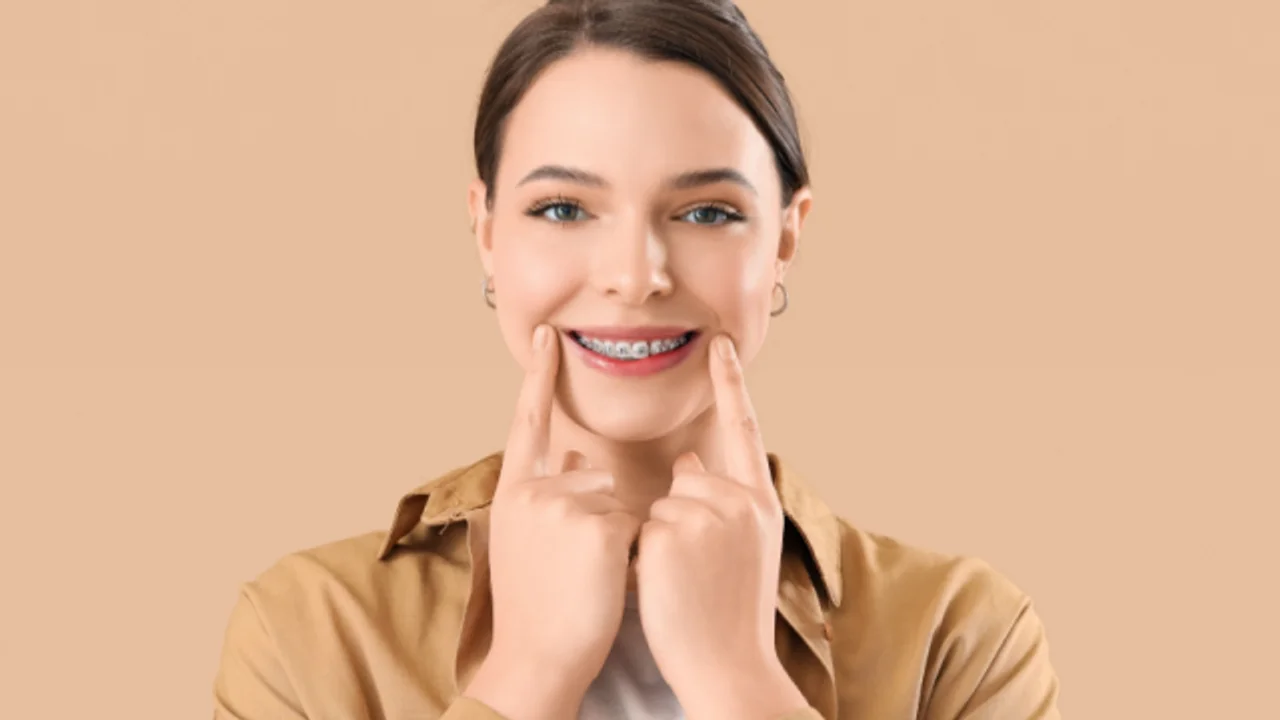
Why Non-Surgical Orthodontics Reduces Long-Term Dental Costs
The landscape of dental care in South Korea is shifting rapidly as patients increasingly prioritize long-term functional health over quick aesthetic fixes.
Learn More
Comparing Orthodontic Treatment Fees: Korea vs Japan Benchmarks
The decision to pursue orthodontic treatment is a long-term investment in both oral health and facial aesthetics. For patients in the Asia-Pacific region, South Korea and Japan represent the two most prominent hubs for advanced dental care.
Learn More