Advanced Orthodontics, Implants & Cosmetic Dentistry in Gangnam, Seoul · International Patient Concierge

Dental Guide
My Child’s Teeth Are Coming in Crooked—Should I Be Worried?
Discover why your child’s crooked teeth may not be cause for alarm and when to take action. Learn what signs to watch for and how to support healthy smiles.
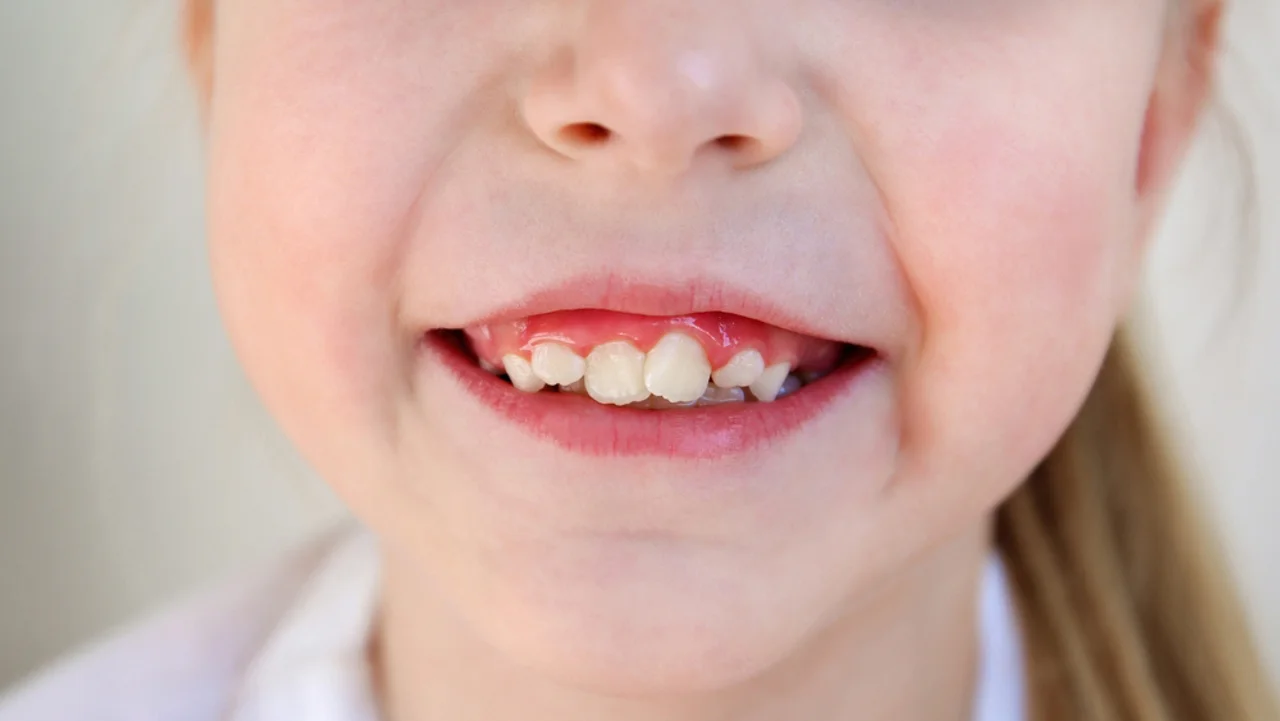
Schedule a ConsultationIntroduction: When Your Child’s Smile Starts to Change\n\n \n\nIt usually starts with something small.\\nYou notice your child’s baby teeth wiggling loose, then one day, a permanent tooth begins to peek through the gumline. But as more teeth erupt, you see they aren’t perfectly aligned—one front tooth overlaps the other, or the lower teeth seem to crowd together.\n\nIf this sounds familiar, you’re not alone. At Smile View Dental Clinic in Gangnam, we often meet parents who are worried that their child’s crooked teeth signal a serious orthodontic issue. The truth is, mild irregularities during the transition from baby teeth to adult teeth are incredibly common—and in many cases, completely normal.\n\nHowever, there are also times when early attention makes a world of difference. Understanding why crooked teeth happen, when they need intervention, and how to guide your child’s smile development is one of the best investments you can make in their lifelong oral health.\n\n## Understanding How Children’s Teeth Develop\n\nChildren’s dental development follows a fascinating and predictable rhythm. Most kids begin losing their baby teeth around age 6, entering what dentists call the “mixed dentition stage.” This period typically lasts until age 12, as the mouth transitions from small, evenly spaced baby teeth to larger, stronger adult teeth.\n\n### During this time, you might notice:\n\n- Gaps between teeth as the jaw grows.\n\n- Mild overlapping or crowding as larger adult teeth erupt.\n\n- Uneven eruption patterns where one tooth comes in before its pair.\n\nIt’s important to understand that your child’s jaw is still growing—and that growth helps accommodate larger teeth over time. So, some crookedness or “awkward spacing” in early stages often self-corrects naturally as the face and jaw mature.\n\nThink of it like watching a home being remodeled: during construction, the layout might look messy, but the final structure can turn out beautifully balanced—especially with the right guidance along the way.\n\n## Why Some Children’s Teeth Come in Crooked?\n\nThere’s no single reason children develop crooked teeth. In most cases, it’s a combination of genetic factors and environmental habits.\n\n### 1. Genetics: The Blueprint of the Smile\n\nIf crooked teeth or a small jaw run in your family, your child may inherit a similar structure. A mismatch between jaw size and tooth size can cause crowding or spacing issues.\n\n### 2. Premature Loss of Baby Teeth\n\n### 3. Prolonged Thumb Sucking or Pacifier Use\n\n### 4. Mouth Breathing and Airway Issues\n\n### 5. Lack of Space or Growth Guidance\n\n
 \n\n
More Dental Articles
Continue reading our clinical dental guides.
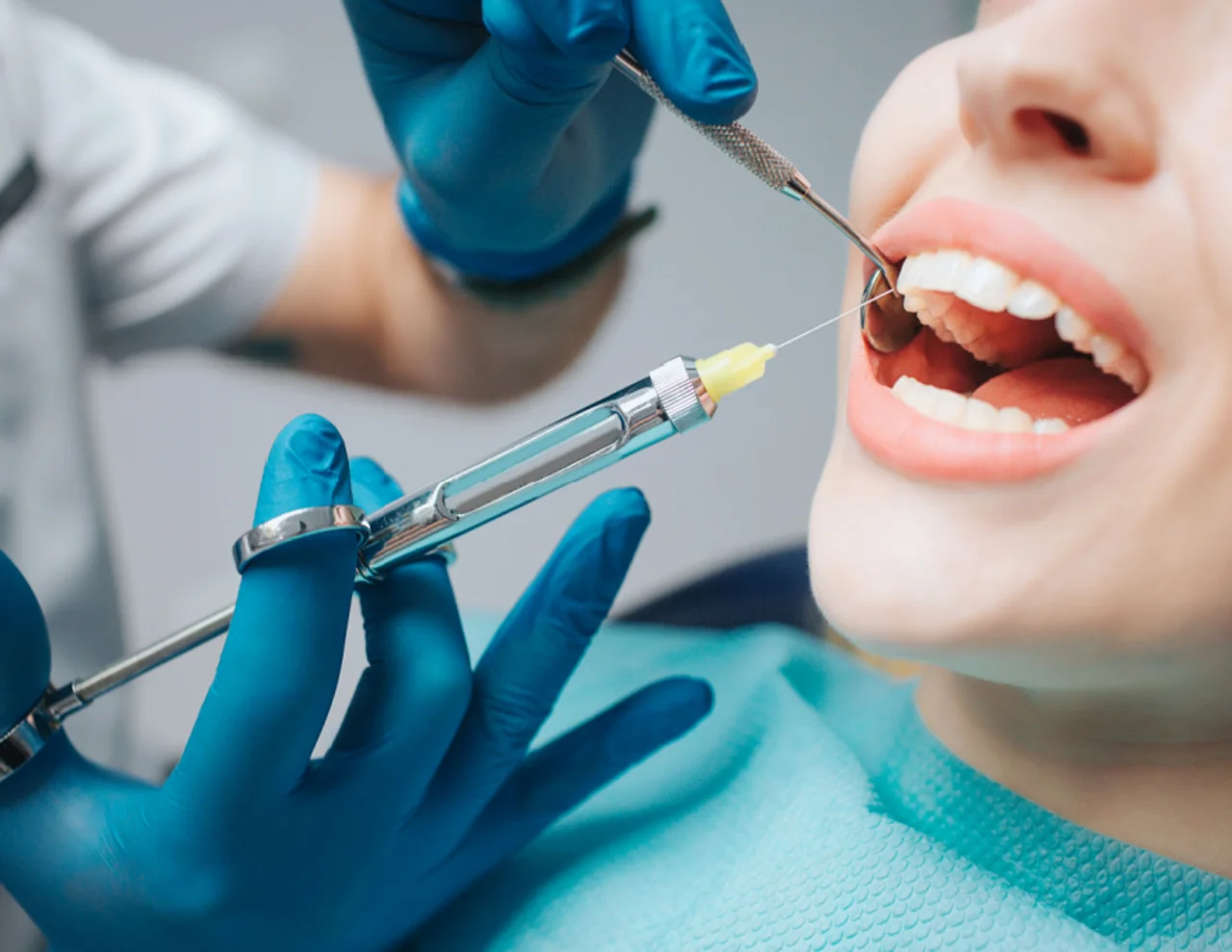
Korean Dental Anesthesia Market: Projected $80M Revenue by 2035
In the rapidly evolving landscape of South Korean healthcare, patient comfort has transitioned from a luxury to a baseline expectation.
Learn More

Why Non-Surgical Orthodontics Reduces Long-Term Dental Costs
The landscape of dental care in South Korea is shifting rapidly as patients increasingly prioritize long-term functional health over quick aesthetic fixes.
Learn More

Comparing Orthodontic Treatment Fees: Korea vs Japan Benchmarks
The decision to pursue orthodontic treatment is a long-term investment in both oral health and facial aesthetics. For patients in the Asia-Pacific region, South Korea and Japan represent the two most prominent hubs for advanced dental care.
Learn More