Advanced Orthodontics, Implants & Cosmetic Dentistry in Gangnam, Seoul · International Patient Concierge


Dental Guide
Missing Teeth? Here’s Why Implants May Be the Best Option
Missing teeth? Discover why dental implants are the best long-term solution—natural look, strong bite, lasting results. Learn more today for your smile.
Schedule a ConsultationIntroduction: When a Missing Tooth Becomes More Than a Cosmetic Issue

For many people, losing a tooth feels like a problem they can postpone. It doesn’t always hurt. It may not even be visible when smiling. Life gets busy, and adapting feels easier than addressing it. Yet in clinical reality, a missing tooth is rarely a static condition—it’s a starting point. Over time, that single gap can quietly influence how you chew, how your jaw functions, how your face ages, and how confident you feel in everyday interactions.
At Smile View Dental Clinic in Gangnam, we often meet patients who say, “I didn’t realize how much this one tooth was affecting me until I tried to fix it.” In a district known for high expectations in both health and aesthetics, people are increasingly looking for solutions that are not just quick, but correct.
Among all modern tooth replacement options, dental implants consistently emerge as the most comprehensive, stable, and biologically sound choice. They are not merely a cosmetic replacement. They are a functional restoration designed to work with your body, not around it.
This article explores why dental implants are often the best option for missing teeth, how they work, and what makes them fundamentally different from bridges or dentures—especially when long-term oral health matters.
What Really Happens When a Tooth Is Missing?
A tooth does not exist in isolation. Each one is part of a carefully balanced system involving bone, muscles, joints, and neighboring teeth. When a tooth is lost, several changes begin almost immediately:
Adjacent teeth start drifting toward the empty space
The opposing tooth may over-erupt due to lack of contact
Chewing forces become uneven, stressing other teeth
The jawbone beneath the missing tooth begins to shrink
This bone loss is particularly important and often overlooked. The roots of natural teeth stimulate the jawbone during chewing. Without that stimulation, the body assumes the bone is no longer needed and gradually resorbs it. Over years, this can alter facial contours, deepen lines around the mouth, and limit future dental treatment options.
From a clinical perspective, replacing a missing tooth is not only about filling a gap—it’s about preventing a cascade of structural changes.
Understanding Dental Implants: More Than an Artificial Tooth
A dental implant is designed to replace the entire tooth structure, not just the visible part. It consists of three main components:
- Implant fixture – a titanium post placed into the jawbone, acting as an artificial root
- They do not move or slip


More Dental Articles
Continue reading our clinical dental guides.
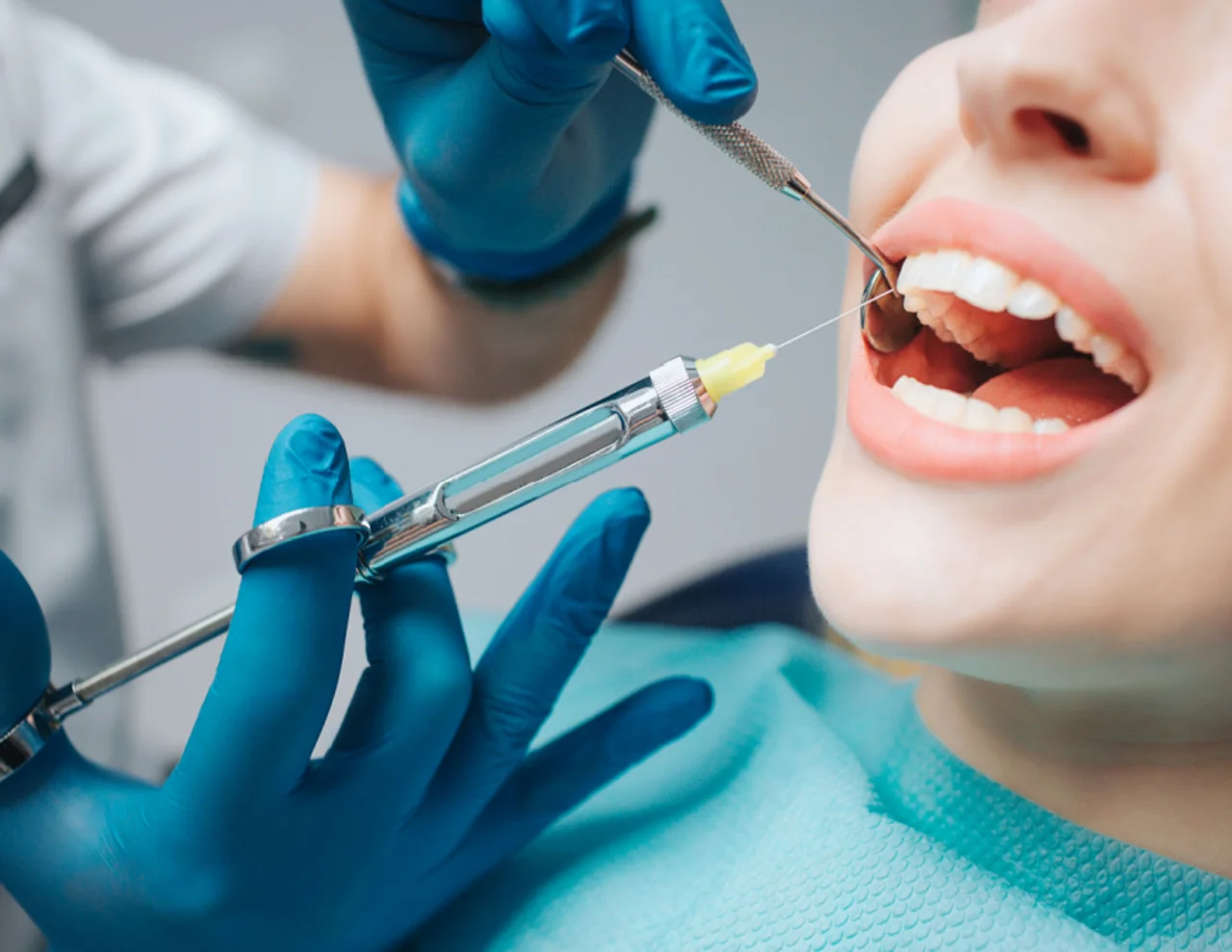
Korean Dental Anesthesia Market: Projected $80M Revenue by 2035
In the rapidly evolving landscape of South Korean healthcare, patient comfort has transitioned from a luxury to a baseline expectation.
Learn More

Why Non-Surgical Orthodontics Reduces Long-Term Dental Costs
The landscape of dental care in South Korea is shifting rapidly as patients increasingly prioritize long-term functional health over quick aesthetic fixes.
Learn More
Comparing Orthodontic Treatment Fees: Korea vs Japan Benchmarks
The decision to pursue orthodontic treatment is a long-term investment in both oral health and facial aesthetics. For patients in the Asia-Pacific region, South Korea and Japan represent the two most prominent hubs for advanced dental care.
Learn More