Advanced Orthodontics, Implants & Cosmetic Dentistry in Gangnam, Seoul · International Patient Concierge

Dental Guide
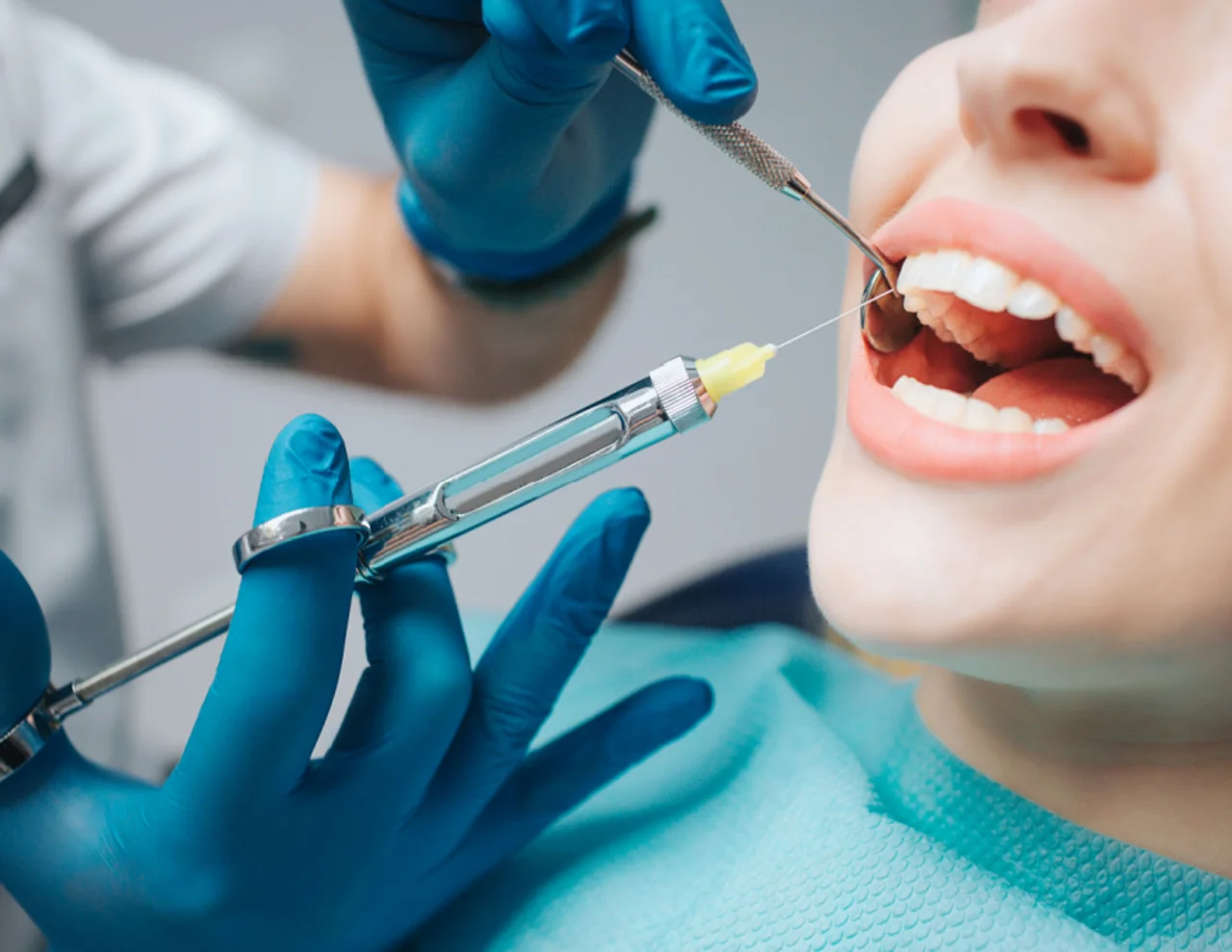
Korean Dental Anesthesia Market: Projected $80M Revenue by 2035
In the rapidly evolving landscape of South Korean healthcare, patient comfort has transitioned from a luxury to a baseline expectation.
Schedule a ConsultationIn the rapidly evolving landscape of South Korean healthcare, patient comfort has transitioned from a luxury to a baseline expectation. According to recent market analysis from Market Research Future , the South Korea dental anesthesia market is projected to reach a valuation of$80.5 million by 2035 , growing at a steady CAGR of 4.29%. This growth is not merely a reflection of more procedures being performed, but a fundamental shift toward advanced, "painless" delivery systems.
For the nearly 15.3% of Korean adults who report dental anxiety (as noted in recent KNHANES data), the fear of the needle is a significant barrier to seeking essential care. At Smile View Dental Clinic , we recognize that for orthodontic patients—who often require long-term treatment plans involving everything from molar distalization to miniscrew placement—the integration of high-tech anesthesia is essential for ensuring a high quality of life throughout the "alignment journey."
Painless Anesthesia in Korea: Benefits, Risks, and Ideal Candidates
What is Digital Painless Anesthesia?
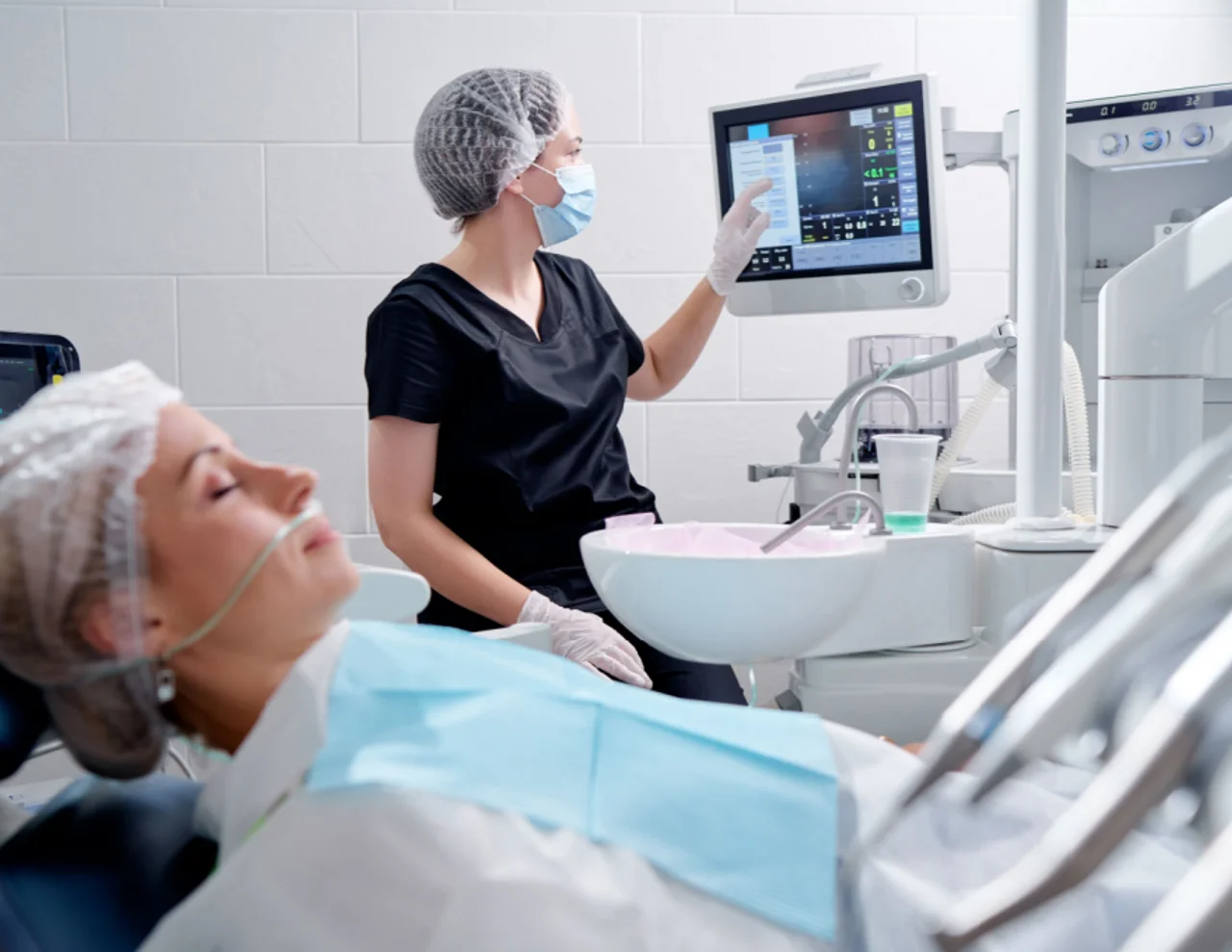
Digital anesthesia, often referred to as Computer-Controlled Local Anesthetic Delivery (C-CLAD) , is a technology that replaces the traditional manual syringe. Instead of a dentist applying manual pressure—which often causes the "stinging" or "burning" sensation—a microprocessor controls the flow of the numbing agent at a rate that matches the tissue’s natural absorption.
Why Is It the New Standard for Orthodontic Patients?
- Predictable Comfort: Orthodontic procedures, such as the placement of orthodontic miniscrews (TADs) or the extraction of crowded premolars, can be intimidating. Digital systems ensure the injection itself is virtually imperceptible.
- Reduced "Numb-Face" Downtime: Advanced systems like ** The Wand (STA)** can target a single tooth or a specific gum area without numbing the entire lip or tongue, allowing patients to return to work or social activities immediately.
- Anxiety Reduction: For pediatric patients (** Invisalign** First) or adults with needle phobia, the pen-like appearance of digital devices removes the visual trigger of a traditional syringe.
Conventional Dental Anesthesia vs. Digital Innovations in Korea
Despite Korea’s advanced medical infrastructure, many clinics still rely on conventional manual injections. While effective, these methods present several pain points that modern digital protocols aim to solve.
Common Limitations of Standard Care
Innovative Approach: High-Precision Painless Orthodontics
How It Works: The Mechanism of Comfort
Is Digital Anesthesia in Korea worth the cost?
Data & Outcomes: The Shift Toward Tech-Enabled Comfort
More Dental Articles
Continue reading our clinical dental guides.
Korean Dental Anesthesia Market: Projected $80M Revenue by 2035
In the rapidly evolving landscape of South Korean healthcare, patient comfort has transitioned from a luxury to a baseline expectation.
Learn More

Why Non-Surgical Orthodontics Reduces Long-Term Dental Costs
The landscape of dental care in South Korea is shifting rapidly as patients increasingly prioritize long-term functional health over quick aesthetic fixes.
Learn More
Comparing Orthodontic Treatment Fees: Korea vs Japan Benchmarks
The decision to pursue orthodontic treatment is a long-term investment in both oral health and facial aesthetics. For patients in the Asia-Pacific region, South Korea and Japan represent the two most prominent hubs for advanced dental care.
Learn More