Advanced Orthodontics, Implants & Cosmetic Dentistry in Gangnam, Seoul · International Patient Concierge


Dental Guide
Kids’ Orthodontics: When Is the Right Time for Braces?
Discover when kids should get braces, signs to watch for, and treatment options in our guide to children’s orthodontics. Learn more from dental experts!
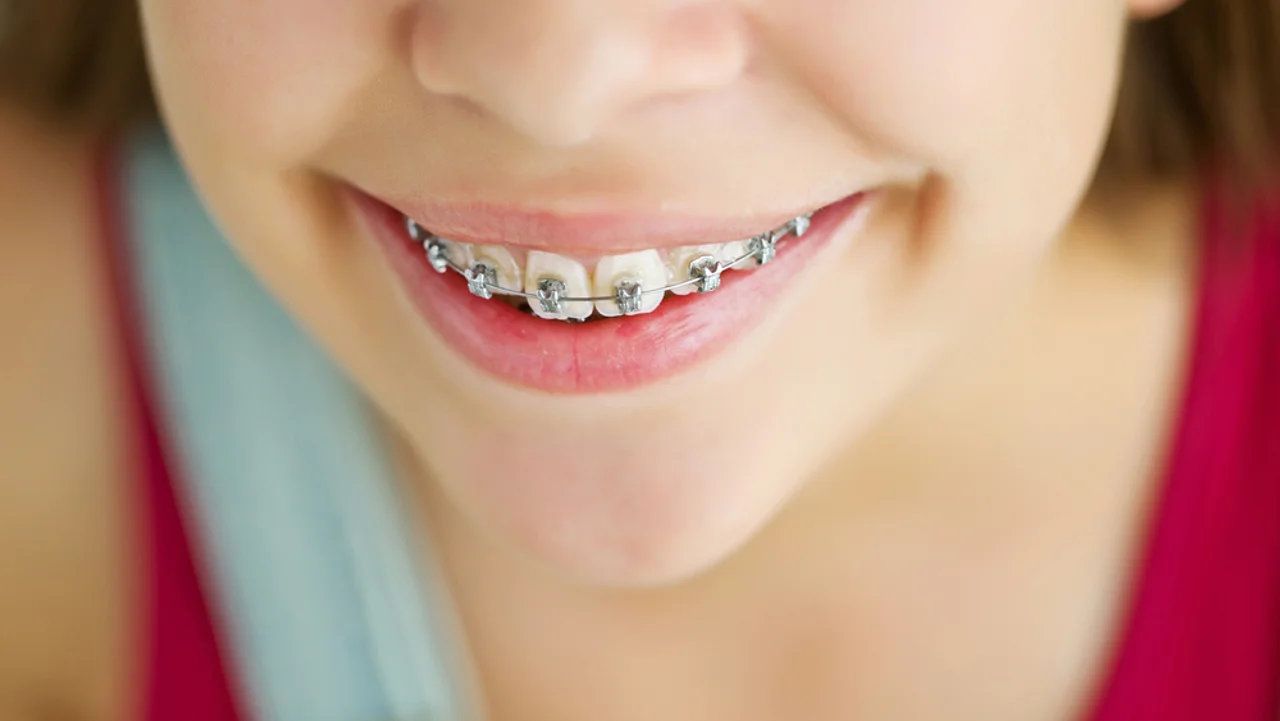
Schedule a ConsultationIntroduction\n\n \n\nYou might be surprised to learn that the foundation for a beautiful, healthy adult smile is often set long before the teen years. At Smile View Dental Clinic in Gangnam, we regularly meet concerned parents wondering when their child should start orthodontic treatment. Some worry they’re too early. Others worry they’ve waited too long. The truth is, there is no one-size-fits-all answer—but there is a scientifically supported window of opportunity that can make all the difference.\n\nIn Gangnam, where aesthetics and oral health are held to particularly high standards, the demand for natural-looking, well-aligned smiles is rising—not just among adults, but increasingly among children and adolescents. As a multidisciplinary dental clinic led by Dr. Han-gyeol Kim, trained in both Korea and the United States, we approach kids’ orthodontics with a balance of precision, timing, and long-term vision.\n\nSo, how do you know when the timing is right? Let’s explore the what, why, and how of orthodontics for children—and what signs signal it’s time to take the next step.\n\n## Why Timing Matters in Pediatric Orthodontics?\n\nOrthodontic issues don’t simply arise overnight. They begin gradually—often as the jaw grows or baby teeth fall out. By identifying and addressing them early, we can guide the development of your child’s mouth in a way that minimizes future complications.\n\n### Early orthodontic evaluation enables:\n\n- Early detection of jaw irregularities and bite issues\n\n- Strategic guidance of jaw growth while the bones are still developing\n\n- Prevention of more serious alignment issues that would otherwise require surgery later\n\n- Behavioral intervention for habits like thumb-sucking or tongue thrusting\n\n- Less invasive and shorter treatment timelines later on\n\nThe key is to work with a child’s natural growth, not against it. When orthodontic care is well-timed, we can harness developmental stages that make treatments faster, more predictable, and more comfortable for children.\n\nFor example, correcting a crossbite in a 7-year-old with a palatal expander can be far easier than waiting until the teenage years when the palatal sutures have fused. Likewise, guiding the jaw’s growth in cases of underbite can help avoid invasive surgical corrections later.\n\nIn some cases, early treatment (Phase 1) can reduce the need for tooth extraction or more complex interventions during adolescence.\n\n## When Should Your Child First See an Orthodontist?\n\n### This period of observation is not passive. We use it to:\n\n- Track jaw growth patterns\n\n- Evaluate eruption of permanent teeth\n\n
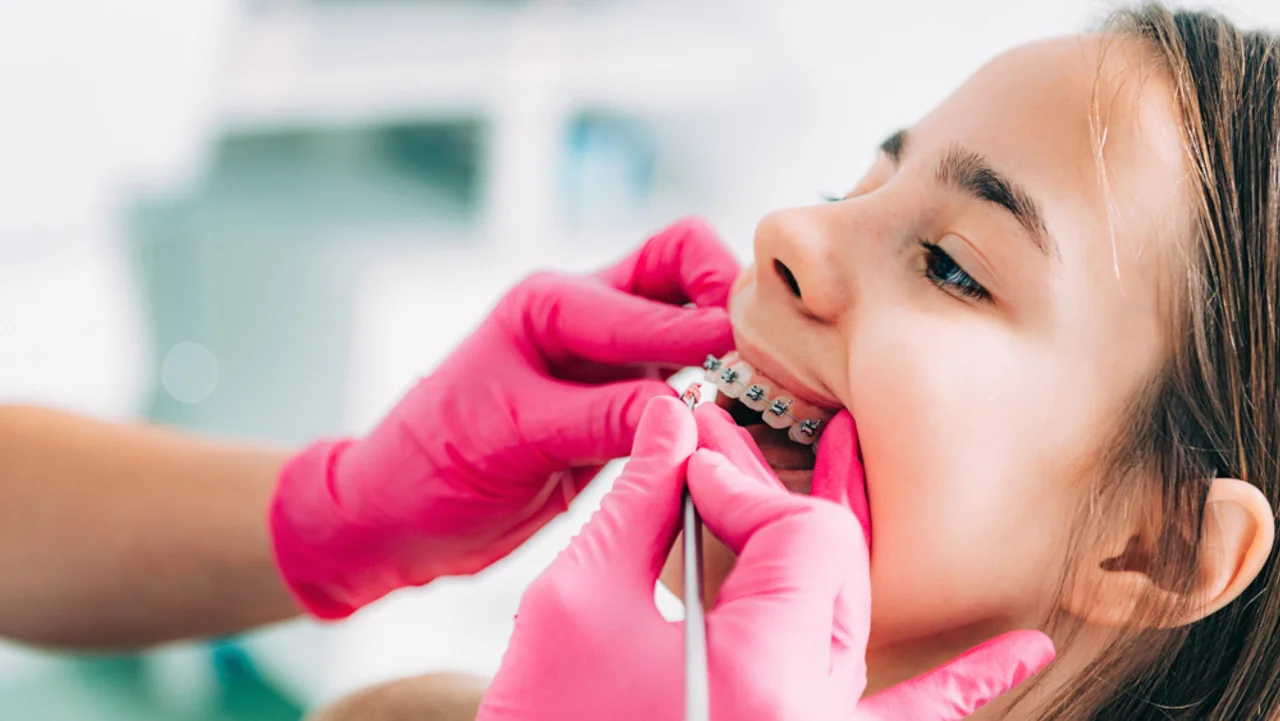 \n\n- Impacted teeth\n\n
More Dental Articles
Continue reading our clinical dental guides.
Korean Dental Anesthesia Market: Projected $80M Revenue by 2035
In the rapidly evolving landscape of South Korean healthcare, patient comfort has transitioned from a luxury to a baseline expectation.
Learn More

Why Non-Surgical Orthodontics Reduces Long-Term Dental Costs
The landscape of dental care in South Korea is shifting rapidly as patients increasingly prioritize long-term functional health over quick aesthetic fixes.
Learn More
Comparing Orthodontic Treatment Fees: Korea vs Japan Benchmarks
The decision to pursue orthodontic treatment is a long-term investment in both oral health and facial aesthetics. For patients in the Asia-Pacific region, South Korea and Japan represent the two most prominent hubs for advanced dental care.
Learn More