Advanced Orthodontics, Implants & Cosmetic Dentistry in Gangnam, Seoul · International Patient Concierge

Dental Guide
Is Your Toothpaste Undoing Your Whitening Results?
Is your toothpaste sabotaging your smile? Discover how certain formulas can dull whitening results—and what to use instead. Learn more now!
Schedule a ConsultationIntroduction: When Bright Smiles Begin to Fade
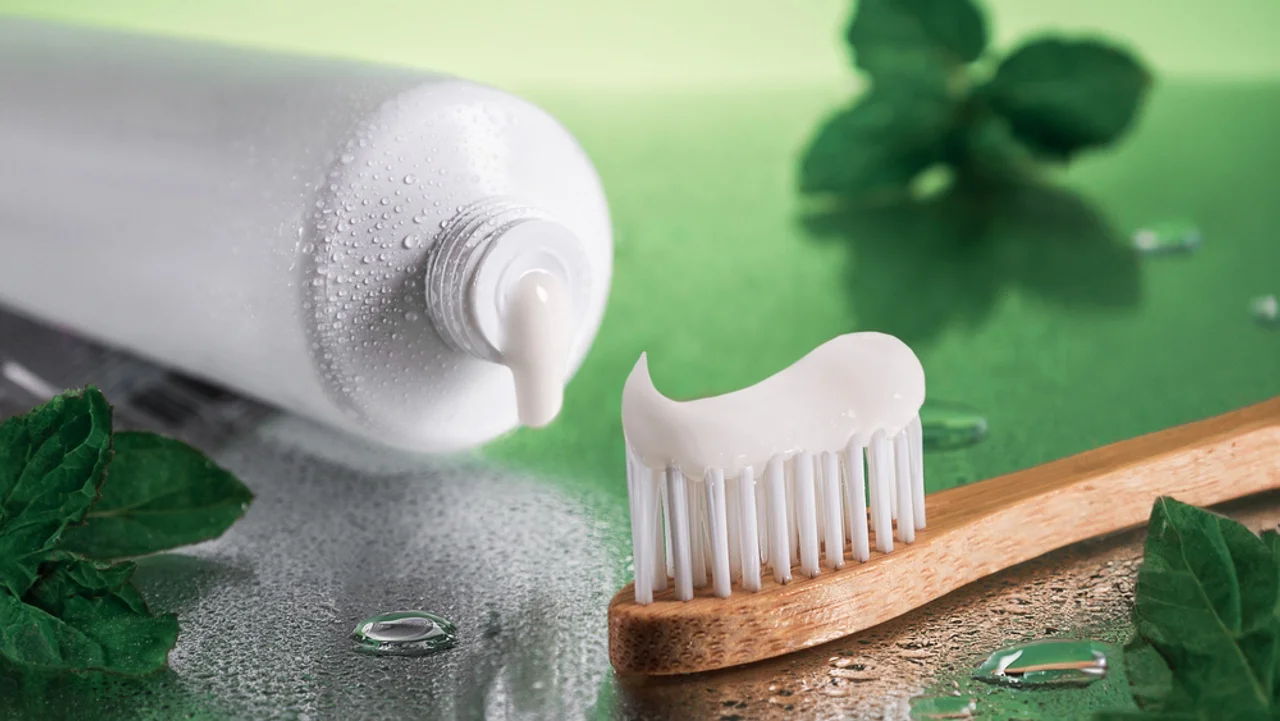
You’ve invested in your smile — perhaps with a professional whitening treatment at Smile View Dental Clinic in Gangnam, where precision and aesthetic excellence are a way of life. The results were everything you hoped for: teeth several shades whiter, a visibly more radiant smile, and the kind of confidence that turns heads. But now, only a few weeks later, you’re wondering why the brightness seems to be fading.
Is it the coffee? The wine? The kimchi? Or — and this surprises many patients — could your daily toothpaste be partially to blame?
In a city like Seoul, where appearance is culture and smile aesthetics are integral to both professional and social presence, understanding the nuances of whitening maintenance isn’t optional — it’s essential. What you do after whitening, especially with toothpaste selection and oral care habits, can mean the difference between a long-lasting glow and a short-lived sparkle.
This article explores what many don’t tell you about post-whitening care: how your toothpaste could be working against your whitening investment — and what to do about it.
The Science of Whitening — And Where Toothpaste Fits In
Before blaming your toothpaste, it helps to understand how whitening actually works.
1. Whitening Targets Stains — But Doesn’t Stop Them
Professional whitening treatments (like those offered at Smile View Dental Clinic) typically use hydrogen peroxide or carbamide peroxide to break down pigment molecules in the enamel. This lightens the tooth color beneath the surface — a significant improvement over surface polishing alone.
However, whitening doesn't prevent future staining. Once treated, your teeth are like a freshly cleaned canvas: brighter, yes, but vulnerable to new marks from food, drink, and — you guessed it — improper daily care.
2. Daily Toothpaste Plays a Maintenance Role
Toothpaste isn’t meant to whiten the way peroxide does. Instead, it cleans, polishes, and protects. Some toothpaste formulas claim to “whiten” by scrubbing away surface stains — but this is where problems often begin.
Toothpaste becomes a key player not in the whitening process itself, but in the preservation of whitening results. Think of it like maintaining a white shirt: getting it white requires one kind of product and care; keeping it white requires something entirely different — usually gentler, smarter, and more deliberate.
Abrasiveness: The Double-Edged Sword
Ironically, by using harsh toothpaste daily, patients often end up with more visible yellowing, not less.
More Dental Articles
Continue reading our clinical dental guides.
Korean Dental Anesthesia Market: Projected $80M Revenue by 2035
In the rapidly evolving landscape of South Korean healthcare, patient comfort has transitioned from a luxury to a baseline expectation.
Learn More
Why Non-Surgical Orthodontics Reduces Long-Term Dental Costs
The landscape of dental care in South Korea is shifting rapidly as patients increasingly prioritize long-term functional health over quick aesthetic fixes.
Learn More
Comparing Orthodontic Treatment Fees: Korea vs Japan Benchmarks
The decision to pursue orthodontic treatment is a long-term investment in both oral health and facial aesthetics. For patients in the Asia-Pacific region, South Korea and Japan represent the two most prominent hubs for advanced dental care.
Learn More