Advanced Orthodontics, Implants & Cosmetic Dentistry in Gangnam, Seoul · International Patient Concierge

Dental Guide
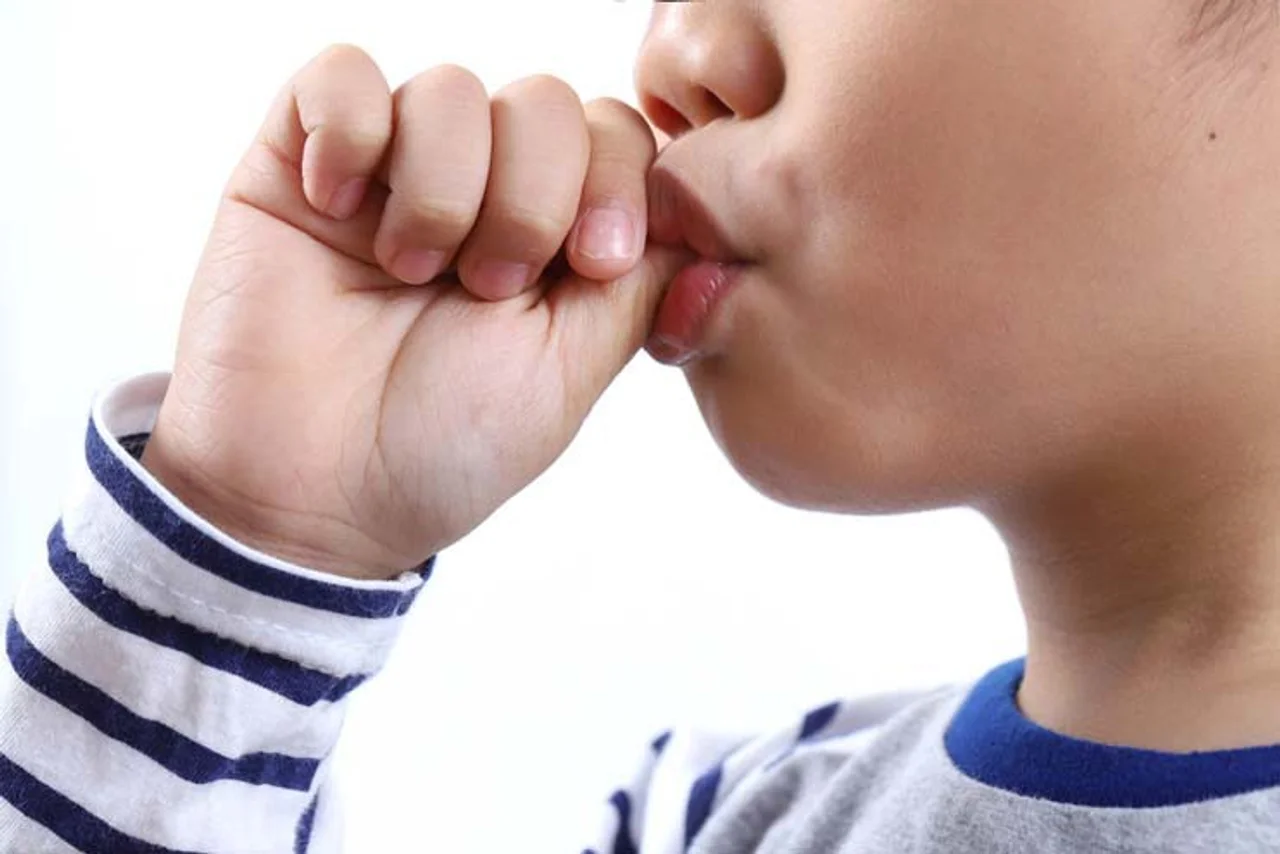
Is Thumb Sucking Ruining Your Child’s Smile?
Is thumb sucking affecting your child’s teeth? Discover how it impacts dental health and learn effective ways to break the habit. Get expert tips now!
Schedule a ConsultationIntroduction: A Small Habit With a Big Impact\n\n \n\nIf you’re a parent, chances are you’ve watched your child drift to sleep with a thumb tucked securely in their mouth. It’s almost instinctive—comforting, familiar, and harmless-looking. Parents in our Gangnam clinic often tell us, “I thought it was cute… until I noticed my child’s teeth shifting.”\n\nThe truth is, thumb sucking is a deeply human behavior. Babies do it before they’re even born. Toddlers rely on it to self-soothe during growth spurts, emotional stress, or simply to fall asleep. But as a dental clinic specializing in early developmental orthodontics and holistic smile design, we’ve seen how something so innocent can slowly reshape a young child’s mouth.\n\nYou might be wondering:\n\n- Will my child’s teeth become crooked?\n\n- Is thumb sucking harmful—or completely normal?\n\n- Is it too early (or too late) to intervene?\n\n- How do dentists actually fix problems caused by thumb sucking?\n\nAt Smile View Dental Clinic, led by Dr. Han-gyeol Kim—a Yonsei University graduate with advanced training from Harvard and UCLA—we’ve guided hundreds of parents through these exact questions. Our approach is gentle, evidence-based, and centered on understanding your child’s unique developmental timeline.\n\nThis long-form guide is designed to give you clarity, confidence, and practical solutions. By the end, you’ll know exactly what thumb sucking does, when to intervene, and how to protect your child’s growing smile—without stress or shame.\n\n## Why Children Suck Their Thumbs (And Why You Shouldn’t Panic)\n\nYou might be surprised to learn that thumb sucking is part of a newborn’s natural survival reflex. It helps with feeding, self-regulation, and emotional comfort. Many children turn to it when faced with:\n\n- bedtime routines\n\n- separation anxiety\n\n- overstimulation\n\n- travel or new school environments\n\n- emotional or sensory needs\n\nAt ages 1–3, thumb sucking is not just normal—it’s expected.\\nAt this stage, the jaw is still developing rapidly, and dental structures are soft and adaptable. Most children spontaneously let go of the habit by age 4.\n\nBut when the habit continues into later childhood, especially with strong suction pressure or frequent daily use, the shape of the jaw begins to adapt to the thumb’s presence.\n\nAnd this is where parents need to start paying closer attention.\n\n## How Thumb Sucking Actually Changes the Teeth and Jaw\n\n
 \n\nMany parents imagine that thumb sucking only affects the front teeth—but its impact is far more structural.\n\n### 1. Anterior Open Bite\n\n- a soft toy\n\n
More Dental Articles
Continue reading our clinical dental guides.
Korean Dental Anesthesia Market: Projected $80M Revenue by 2035
In the rapidly evolving landscape of South Korean healthcare, patient comfort has transitioned from a luxury to a baseline expectation.
Learn More

Why Non-Surgical Orthodontics Reduces Long-Term Dental Costs
The landscape of dental care in South Korea is shifting rapidly as patients increasingly prioritize long-term functional health over quick aesthetic fixes.
Learn More
Comparing Orthodontic Treatment Fees: Korea vs Japan Benchmarks
The decision to pursue orthodontic treatment is a long-term investment in both oral health and facial aesthetics. For patients in the Asia-Pacific region, South Korea and Japan represent the two most prominent hubs for advanced dental care.
Learn More