Advanced Orthodontics, Implants & Cosmetic Dentistry in Gangnam, Seoul · International Patient Concierge


Dental Guide
Is Jaw Pain Making Your Life Miserable? TMJ Treatment Can Help
Relieve jaw pain with expert TMJ treatment. Discover proven solutions for headaches, clicking, and discomfort. Get lasting relief—book your consultation today!
Schedule a ConsultationIntroduction\n\n \n\nHave you ever woken up with a sore jaw, a headache that lingers all day, or even a strange ringing in your ears? At first, you might blame stress, poor sleep, or too much screen time. But when the discomfort becomes a daily companion—making it difficult to chew your meals, enjoy conversations, or even smile comfortably—it’s more than just a passing nuisance.\n\nThis is the reality of temporomandibular joint disorder (TMJ or TMD), a condition that affects millions worldwide yet often goes undiagnosed. Here in Gangnam, we frequently meet patients who have been living with these symptoms for years, not realizing their jaw joint is at the root of their problems.\n\nAt Smile View Dental Clinic, we believe no one should have to endure the constant disruption of TMJ pain. With precise diagnostics and a patient-centered approach, we help restore comfort, function, and confidence—so you can get back to living fully, without the shadow of jaw pain.\n\n## Understanding TMJ: The Small Joints That Do Big Work\n\nThe temporomandibular joints (TMJs) are located on each side of your face, just in front of your ears. These tiny, hinge-like joints are deceptively complex, allowing your jaw to move up, down, forward, backward, and side to side. Every word spoken, every bite taken, every laugh shared relies on them.\n\nWhen these joints—or the muscles and ligaments supporting them—are overworked or misaligned, problems arise. The result? TMJ disorder, which can range from mild annoyance to debilitating pain.\n\n## Symptoms: How TMJ Disorder Shows Up in Daily Life\n\nTMJ disorder doesn’t look the same for everyone. For some, it’s sharp jaw pain; for others, it’s a dull, radiating headache. Here are the most common symptoms we see:\n\n- Jaw pain or tenderness that worsens with chewing or speaking\n\n- Clicking, popping, or grinding sounds when opening the mouth\n\n- Difficulty chewing or biting into harder foods\n\n- Facial pain spreading to the temples, cheeks, or neck\n\n- Headaches that resemble tension or migraines\n\n- Ear symptoms such as pain, ringing (tinnitus), or a clogged sensation\n\n- Locking of the jaw or reduced ability to open wide\n\nWhat’s particularly challenging is that these symptoms often mimic other conditions. Patients may visit ENT doctors for ear pain, neurologists for headaches, or physiotherapists for neck tension—sometimes for years—before realizing the issue lies in the jaw joint.\n\n## Why Does TMJ Disorder Develop?\n\nTMJ disorder is rarely caused by a single factor. Instead, it’s usually the result of several overlapping issues.\n\n### Common Causes Include:\n\n## The Hidden Impact of TMJ Disorder\n\n
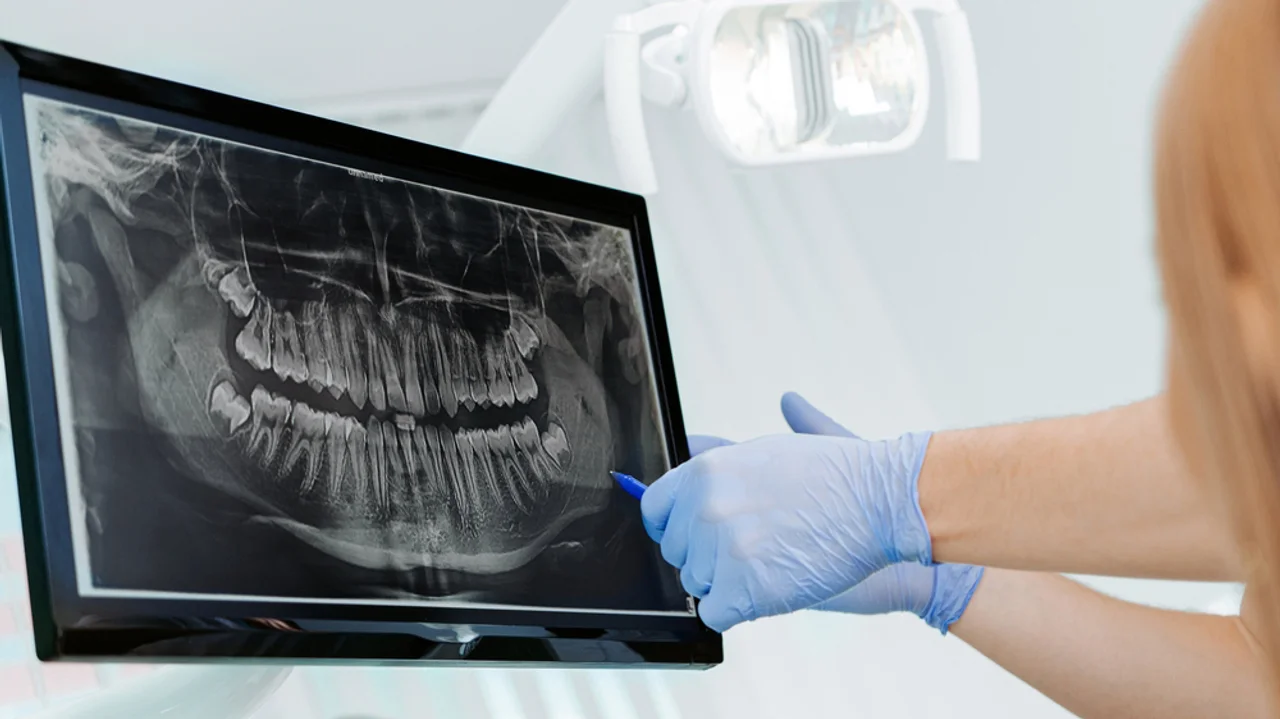 \n\n

More Dental Articles
Continue reading our clinical dental guides.
Korean Dental Anesthesia Market: Projected $80M Revenue by 2035
In the rapidly evolving landscape of South Korean healthcare, patient comfort has transitioned from a luxury to a baseline expectation.
Learn More

Why Non-Surgical Orthodontics Reduces Long-Term Dental Costs
The landscape of dental care in South Korea is shifting rapidly as patients increasingly prioritize long-term functional health over quick aesthetic fixes.
Learn More
Comparing Orthodontic Treatment Fees: Korea vs Japan Benchmarks
The decision to pursue orthodontic treatment is a long-term investment in both oral health and facial aesthetics. For patients in the Asia-Pacific region, South Korea and Japan represent the two most prominent hubs for advanced dental care.
Learn More