Advanced Orthodontics, Implants & Cosmetic Dentistry in Gangnam, Seoul · International Patient Concierge

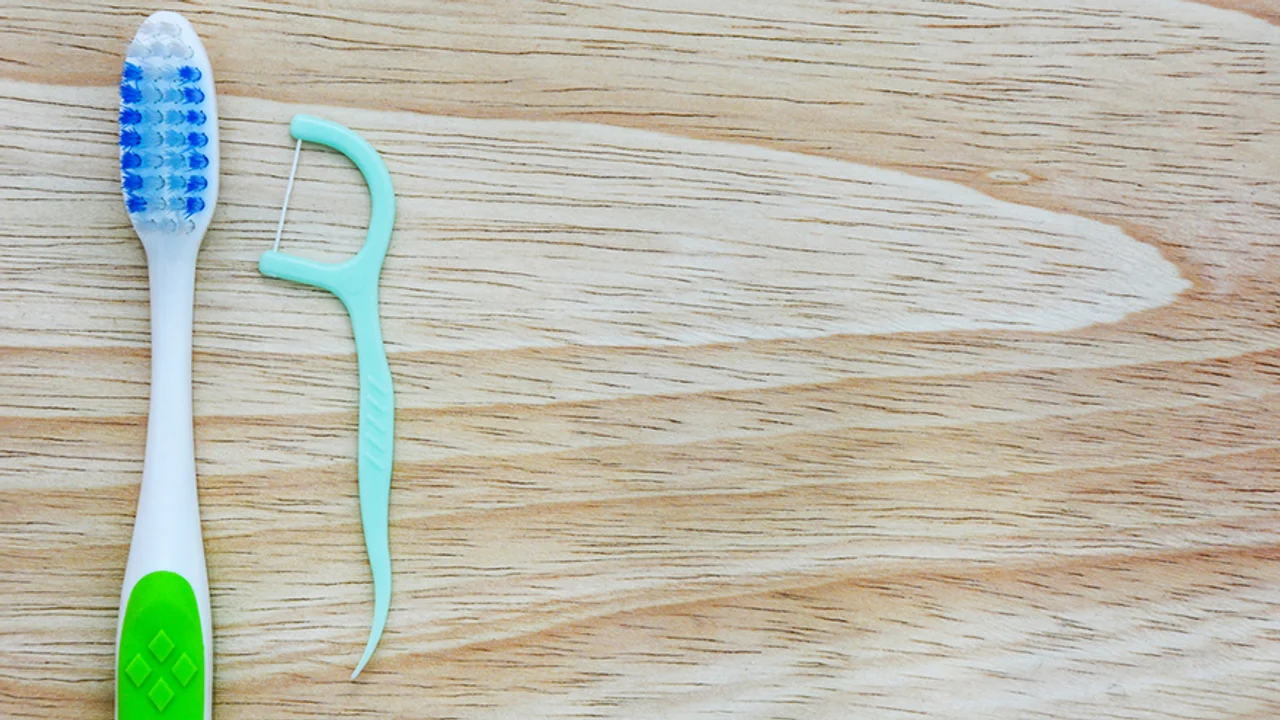
Dental Guide
Is It Time to Switch Your Toothbrush? Here’s How to Know
Wondering when to replace your toothbrush? Discover key signs it's time for a new one and why it matters for oral health. Learn more today!
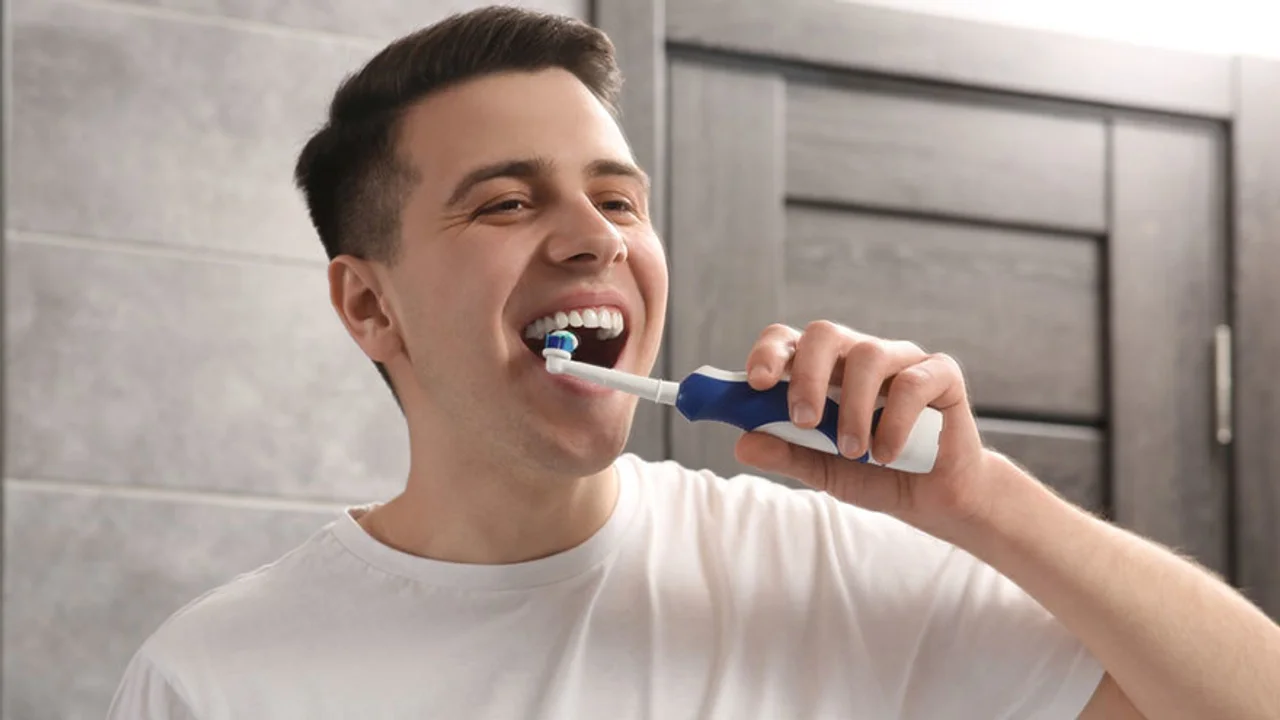
Schedule a ConsultationIntroduction\n\n \n\nWhen was the last time you thought about your toothbrush? It might not be something that crosses your mind often, but the truth is, your toothbrush plays a huge role in your oral health. Most of us use our toothbrushes day in and day out, yet we don’t always give them the attention they deserve. Over time, toothbrushes can lose their effectiveness, potentially leaving your teeth and gums less clean than they should be.\n\nAt Smile View Dental Clinic, we know the importance of a well-maintained toothbrush in preventing cavities, gum disease, and other oral health issues. So, how do you know when it’s time to replace your toothbrush? Let’s take a closer look at the signs that your toothbrush might need a replacement and why it's essential to make that change.\n\n## The Bristles Are Worn Out or Frayed\n\nOne of the most obvious signs it’s time to switch your toothbrush is the condition of the bristles. Bristles that are bent, frayed, or splayed out are no longer effective at cleaning your teeth.\n\nWhy does this matter? When bristles lose their shape, they’re less effective at scrubbing plaque and debris off your teeth. Frayed bristles can also become harsh on your gums, causing irritation and even minor cuts. It’s recommended to replace your toothbrush when the bristles start to show signs of wear, typically every 3–4 months. If you’ve noticed that your toothbrush bristles look more like a messy bundle than a neat row, it’s time to invest in a new one.\n\n## You’ve Been Using the Same Toothbrush for Too Long\n\nIt’s easy to lose track of time when it comes to how long you’ve been using your toothbrush, but this is one of the most important indicators. Over time, the bristles lose their ability to maintain optimal cleaning efficiency, even if they don’t look worn out right away.\n\nThe truth is, many people underestimate the power of replacing their toothbrush on a regular schedule. After a few months, toothbrushes accumulate bacteria, mold, and germs. These harmful microorganisms thrive in the damp environment of your bathroom, especially when you store your toothbrush near the sink or shower. Replacing your toothbrush every 3 months, or sooner if needed, helps ensure you’re not brushing your teeth with a germy tool.\n\n## You’ve Recently Had an Illness\n\n
 \n\n## You’re Experiencing Gum Sensitivity or Bleeding\n\n## You’ve Changed Your Oral Care Routine\n\n## You’ve Upgraded to an Electric Toothbrush (or Need to)\n\n## You Have a Toothbrush with Stubborn Stains\n\n
More Dental Articles
Continue reading our clinical dental guides.
Korean Dental Anesthesia Market: Projected $80M Revenue by 2035
In the rapidly evolving landscape of South Korean healthcare, patient comfort has transitioned from a luxury to a baseline expectation.
Learn More

Why Non-Surgical Orthodontics Reduces Long-Term Dental Costs
The landscape of dental care in South Korea is shifting rapidly as patients increasingly prioritize long-term functional health over quick aesthetic fixes.
Learn More
Comparing Orthodontic Treatment Fees: Korea vs Japan Benchmarks
The decision to pursue orthodontic treatment is a long-term investment in both oral health and facial aesthetics. For patients in the Asia-Pacific region, South Korea and Japan represent the two most prominent hubs for advanced dental care.
Learn More