Advanced Orthodontics, Implants & Cosmetic Dentistry in Gangnam, Seoul · International Patient Concierge

Dental Guide
Is It Normal for Kids to Have Gaps in Their Teeth?
Wondering if tooth gaps in kids are normal? Learn why they happen, when to relax, and when to see a dentist. Find out what’s typical—read more now!
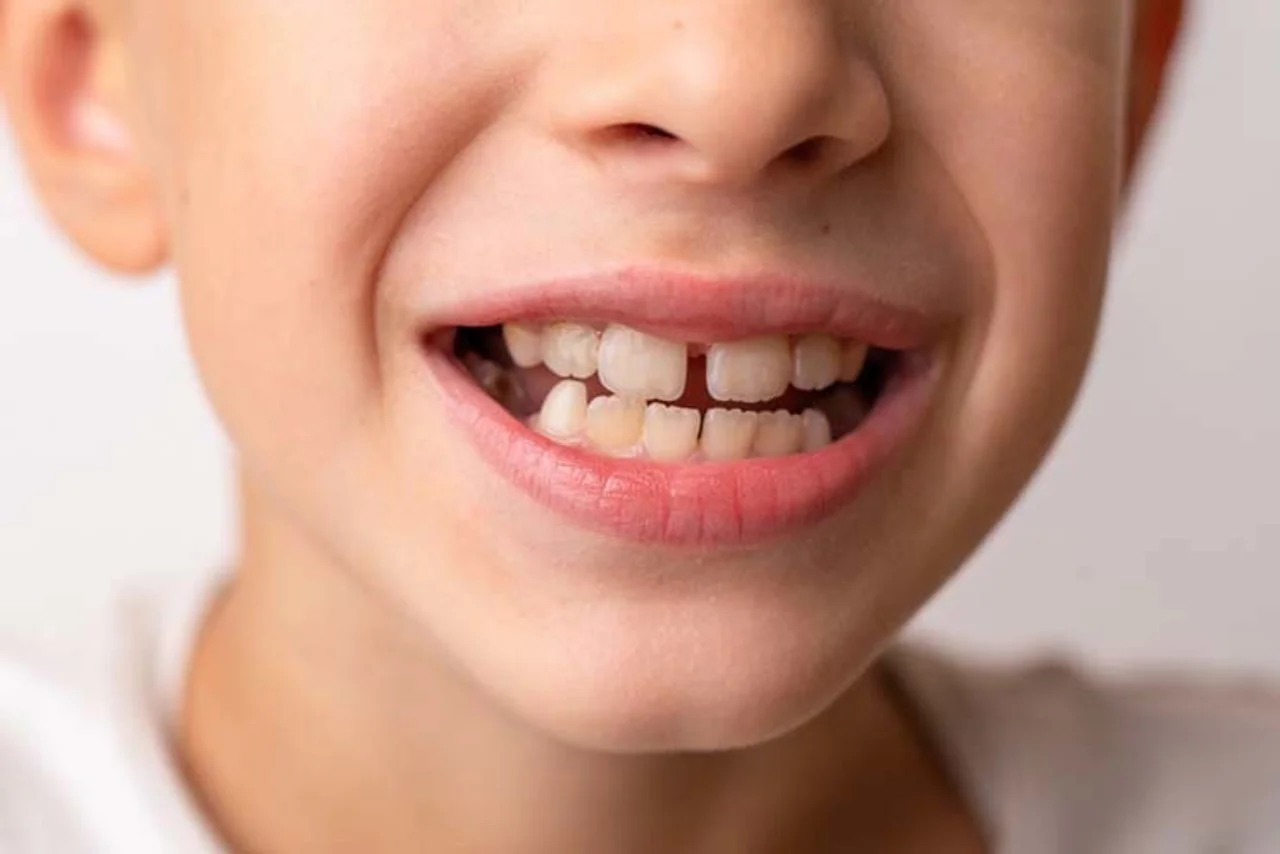
Schedule a ConsultationIntroduction\n\n \n\nIf you’re a parent living in Seoul—particularly in Gangnam, where beauty standards are high and dental aesthetics are increasingly prioritized from an early age—you might find yourself wondering: Why does my child have so many gaps in their teeth? Is this normal? Should we do something about it? At Smile View Dental Clinic, we hear these questions often, and the answer usually reassures parents: yes, it's absolutely normal.\n\nThe presence of gaps in children’s teeth, especially during the early years, is usually not a cause for concern. In fact, it’s often a sign that everything is developing just as it should. But as with many things in dentistry, the context matters. Let’s explore what these gaps mean, why they occur, how long they last, and when you might want to consult a dental professional.\n\n## The Developmental Science Behind Tooth Gaps\n\nTo understand why gaps appear in kids' smiles, it helps to think of their mouths as construction zones. Their jaws are growing, baby teeth are falling out, and permanent teeth are gradually coming in. This period, known as "mixed dentition," usually occurs between the ages of 6 and 12, and it often includes noticeable gaps.\n\n### Why These Gaps Occur:\n\n- Baby teeth are smaller than adult teeth, so there’s naturally more room around them.\n\n- The jaw is still developing, and those spaces are nature’s way of creating room for larger permanent teeth.\n\n- The labial frenum (the tissue between the two front teeth) can cause a temporary gap that often resolves on its own.\n\n- Facial and jawbone growth patterns affect how much spacing naturally occurs.\n\nIn fact, as dental professionals, we often feel more concern when there are no gaps in early childhood. A perfectly aligned, tightly spaced set of baby teeth may indicate a future problem with crowding. Ironically, a gap-toothed grin today could mean fewer orthodontic issues tomorrow.\n\n## What a "Normal" Smile Looks Like at Each Stage\n\n
 \n\nEvery child’s dental development is unique, but there are certain milestones we expect to see. Here’s a general breakdown:\n\n### Ages 0–6: The Primary Dentition Phase\n\nIn this stage, most children have all 20 of their baby teeth. Gaps at this age are perfectly normal and even beneficial. They allow room for the much larger adult teeth to come in without crowding. If the teeth are perfectly snug, that may be a red flag that the future permanent teeth won't fit easily.\n\n### Ages 6–12: The Mixed Dentition Phase\n\n### Ages 12+: The Permanent Dentition Phase\n\n## When Tooth Gaps Might Need a Closer Look\n\n### 1. Persistent Gaps Between Front Teeth\n\n

More Dental Articles
Continue reading our clinical dental guides.

Korean Dental Anesthesia Market: Projected $80M Revenue by 2035
In the rapidly evolving landscape of South Korean healthcare, patient comfort has transitioned from a luxury to a baseline expectation.
Learn More

Why Non-Surgical Orthodontics Reduces Long-Term Dental Costs
The landscape of dental care in South Korea is shifting rapidly as patients increasingly prioritize long-term functional health over quick aesthetic fixes.
Learn More

Comparing Orthodontic Treatment Fees: Korea vs Japan Benchmarks
The decision to pursue orthodontic treatment is a long-term investment in both oral health and facial aesthetics. For patients in the Asia-Pacific region, South Korea and Japan represent the two most prominent hubs for advanced dental care.
Learn More