Advanced Orthodontics, Implants & Cosmetic Dentistry in Gangnam, Seoul · International Patient Concierge

Dental Guide
Implants vs. Snap-On Dentures: What’s the Real Difference?
Discover the key differences between implants vs. snap-on dentures, including cost, comfort & durability. Find out which option suits you best—learn more!
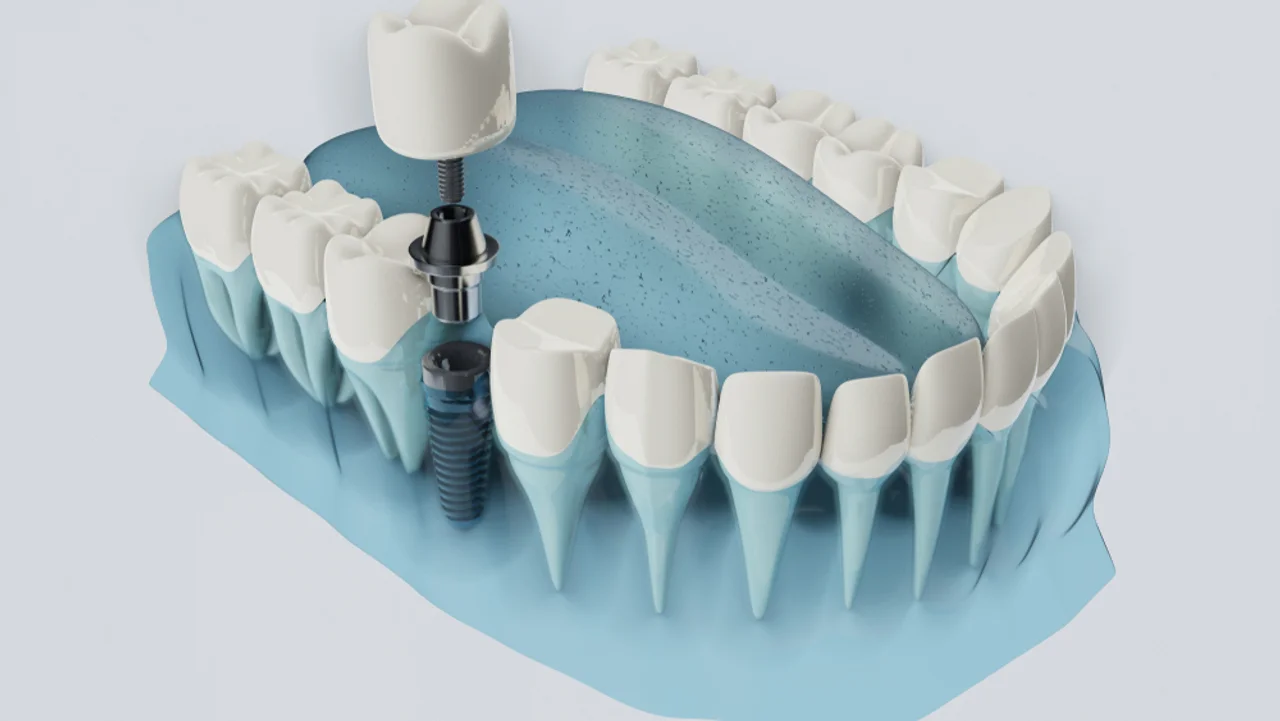
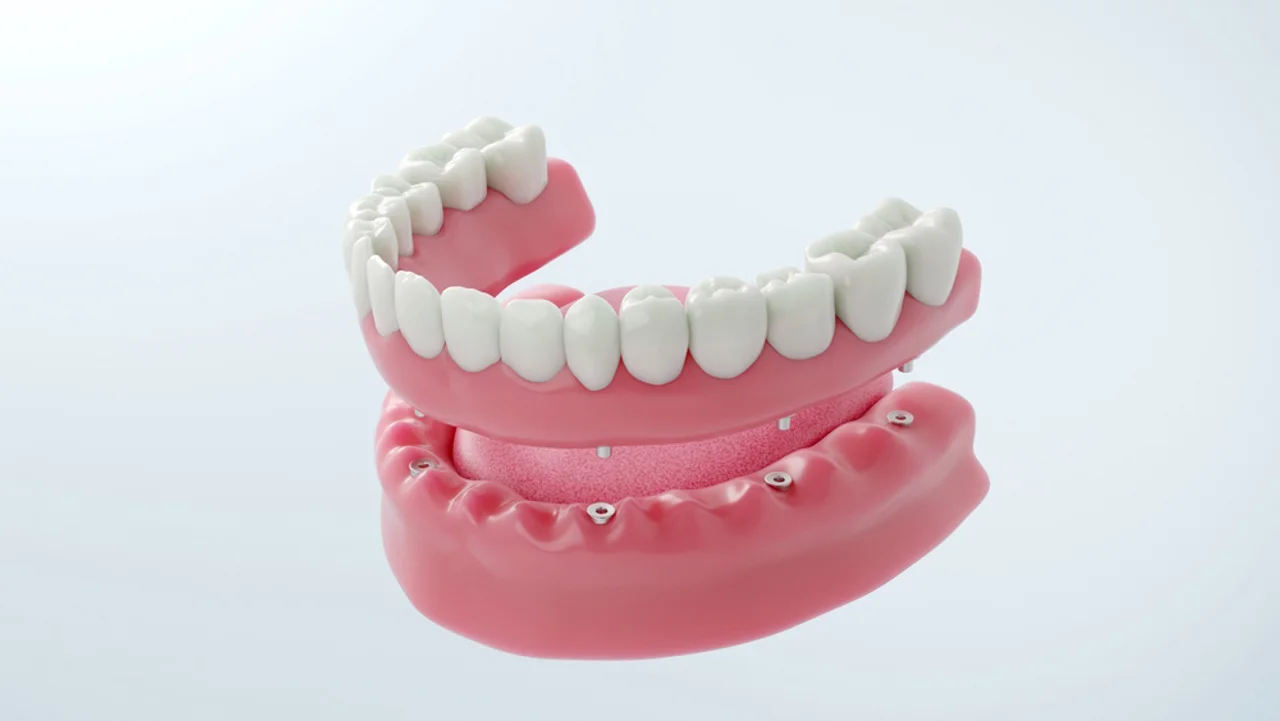
Schedule a ConsultationIntroduction\n\n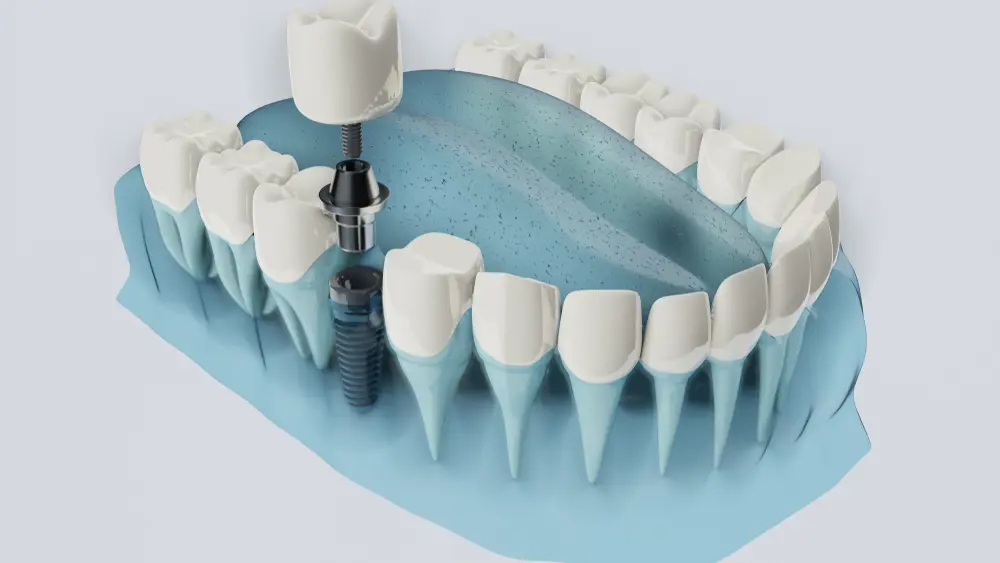 \n\nImagine sitting at a lively dinner table in Gangnam. The food is vibrant, the conversation is flowing, but instead of focusing on the laughter and the flavors, you’re distracted by your teeth—or rather, the teeth you’ve lost. Perhaps your dentures don’t sit securely, or maybe you’re avoiding certain foods because chewing has become a challenge. Tooth loss affects far more than appearance. It changes how you eat, how you speak, and even how confident you feel in professional or social situations.\n\nThis is why so many patients come to us asking the same question: “Doctor, should I get dental implants, or are snap-on dentures better for me?” Both solutions restore missing teeth, but the differences between them go far deeper than most people realize. They affect not only comfort and aesthetics but also long-term oral health and lifestyle.\n\nAt Smile View Dental Clinic in Gangnam, we believe the right choice should be based on knowledge and individual needs—not guesswork. With this in mind, let’s explore the real differences between implants and snap-on dentures, and what each option means for your daily life, future health, and overall confidence.\n\n## Understanding Dental Implants\n\nDental implants are often referred to as the gold standard for tooth replacement—and for good reason. An implant consists of three main parts:\n\n1. Titanium Post: Surgically placed into the jawbone, acting as an artificial root.\n\n1. Abutment: A small connector that links the post to the crown or prosthesis.\n\n1. Crown or Bridge: The visible part of the tooth, custom-made to match the patient’s natural teeth.\n\nOver time, the titanium post fuses with the jawbone through a process called osseointegration. This not only creates exceptional stability but also helps maintain the bone structure itself.\n\nFrom a patient’s perspective, implants are often indistinguishable from natural teeth in both look and feel. They do not move, do not require removal, and allow full function when eating or speaking. For many, the experience of getting implants is described as “getting their own teeth back.”\n\n## Understanding Snap-On Dentures\n\nSnap-on dentures, also called implant-retained overdentures, sit between traditional removable dentures and fixed implants. They involve placing a few implants—typically two to four—in the jaw. The denture is then designed to “snap” onto these implants through special attachments.\n\n## Everyday Experience: How They Feel in Daily Life\n\n### With Dental Implants:\n\n- Chewing feels almost identical to natural teeth.\n\n### With Snap-On Dentures:\n\n
 \n\n
More Dental Articles
Continue reading our clinical dental guides.
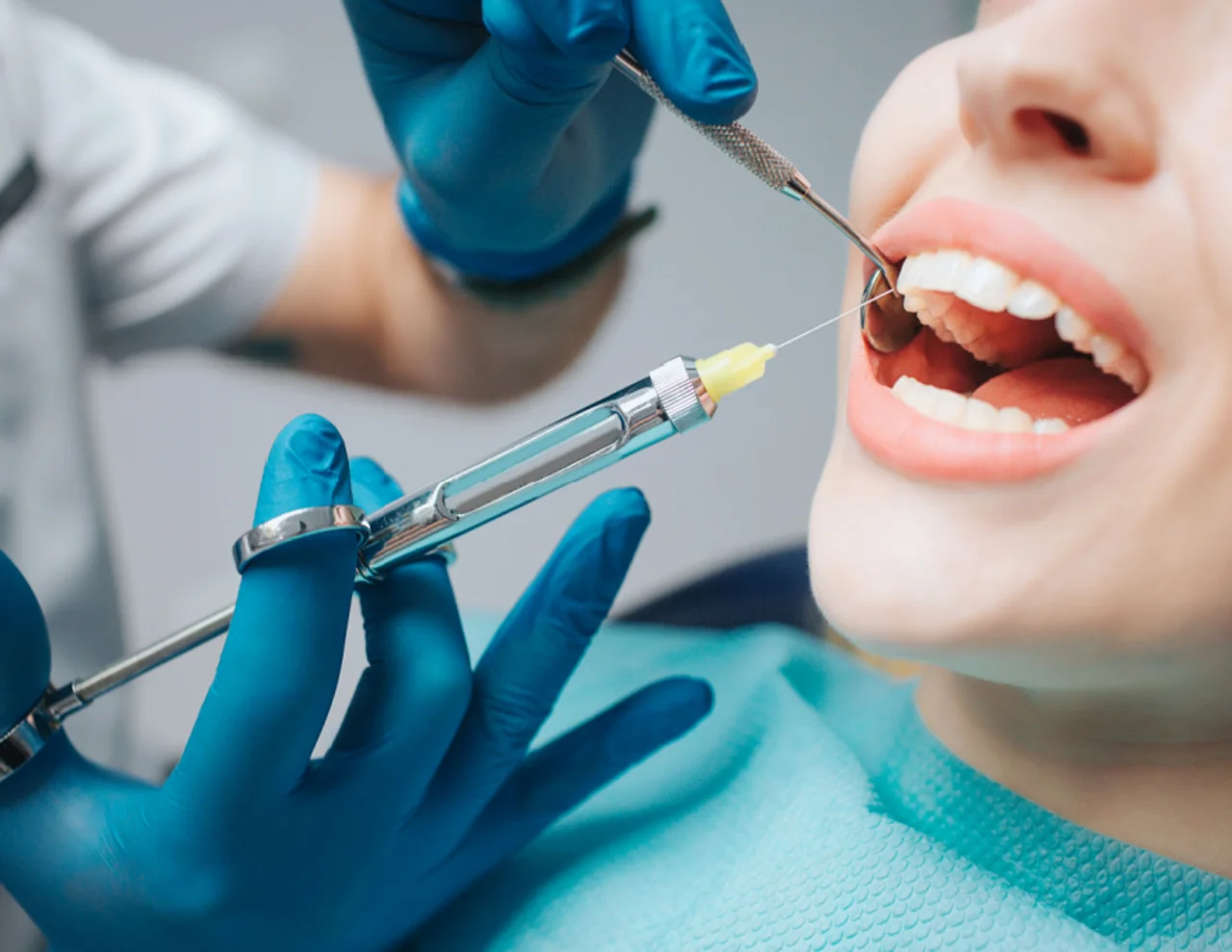
Korean Dental Anesthesia Market: Projected $80M Revenue by 2035
In the rapidly evolving landscape of South Korean healthcare, patient comfort has transitioned from a luxury to a baseline expectation.
Learn More
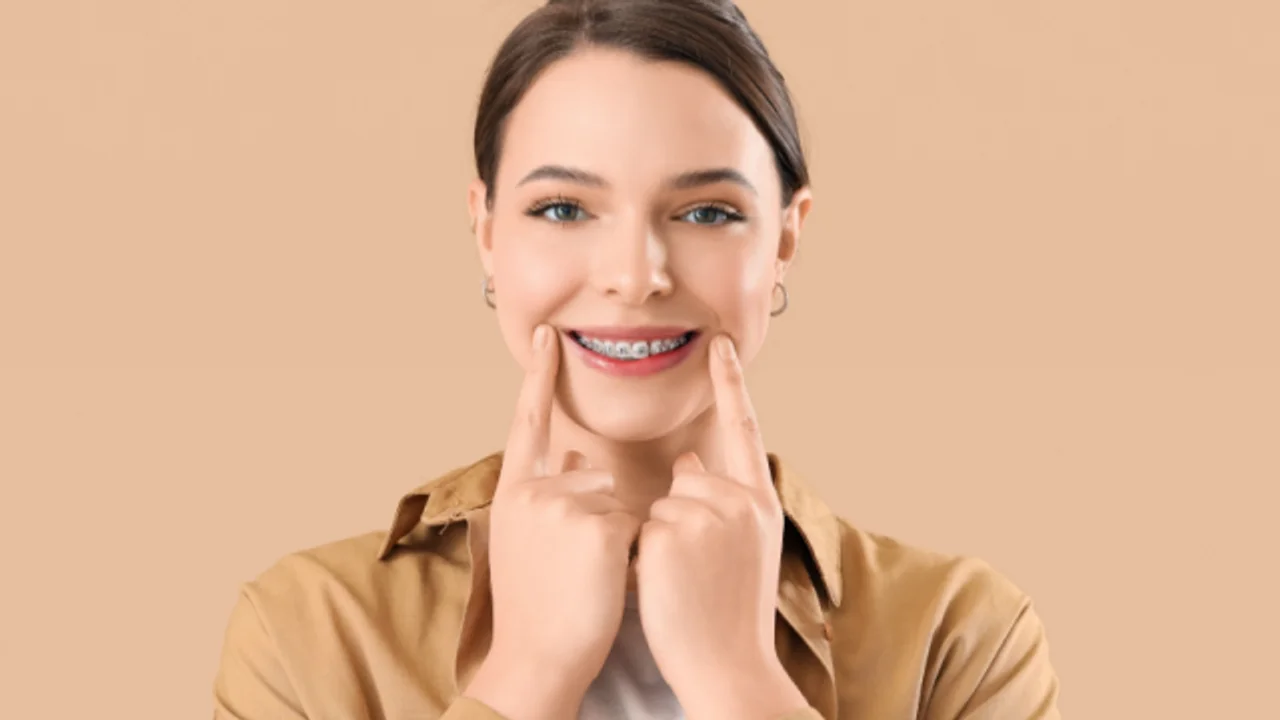
Why Non-Surgical Orthodontics Reduces Long-Term Dental Costs
The landscape of dental care in South Korea is shifting rapidly as patients increasingly prioritize long-term functional health over quick aesthetic fixes.
Learn More
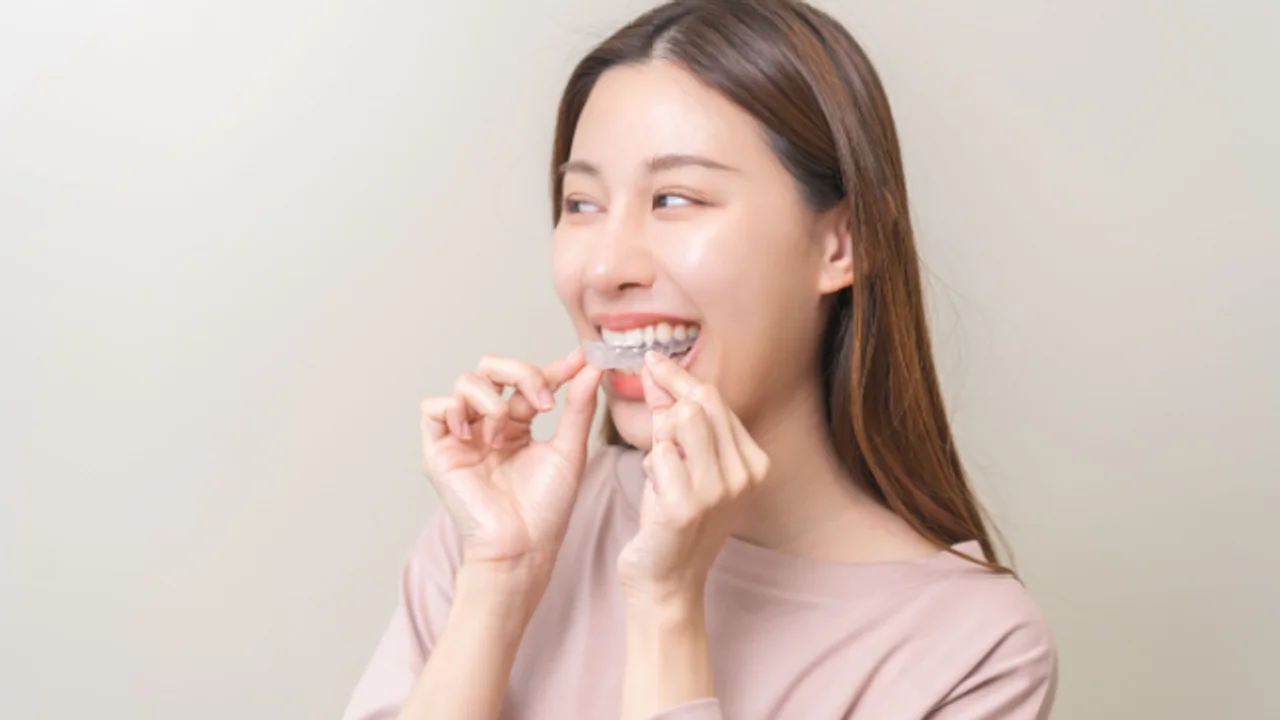
Comparing Orthodontic Treatment Fees: Korea vs Japan Benchmarks
The decision to pursue orthodontic treatment is a long-term investment in both oral health and facial aesthetics. For patients in the Asia-Pacific region, South Korea and Japan represent the two most prominent hubs for advanced dental care.
Learn More