Advanced Orthodontics, Implants & Cosmetic Dentistry in Gangnam, Seoul · International Patient Concierge

Dental Guide
Immediate Implants vs Bone Graft Implants Explained
Compare immediate implants vs bone graft implants: how each surgical path works, who each suits, and what drives cost at a Gangnam, Seoul dental clinic.
Schedule a ConsultationImmediate Implants vs Bone Graft Implants: Choosing the Right Surgical Path
Medically reviewed by Dr. Soyoun Lee, Oral & Maxillofacial Surgery Specialist, Smile View Dental Clinic · Last updated July 2026
If you are researching tooth replacement in Korea, one of the first choices you will face is immediate implants vs bone graft implants. These are two of the three surgical approaches offered at Smile View Dental Clinic in Gangnam, Seoul, and they solve different problems. An immediate implant is designed to shorten your overall treatment time, while a bone graft implant is designed for patients who do not yet have enough jawbone to hold an implant securely. This guide explains, in plain language, how each path works and how a specialist decides which one fits your case.
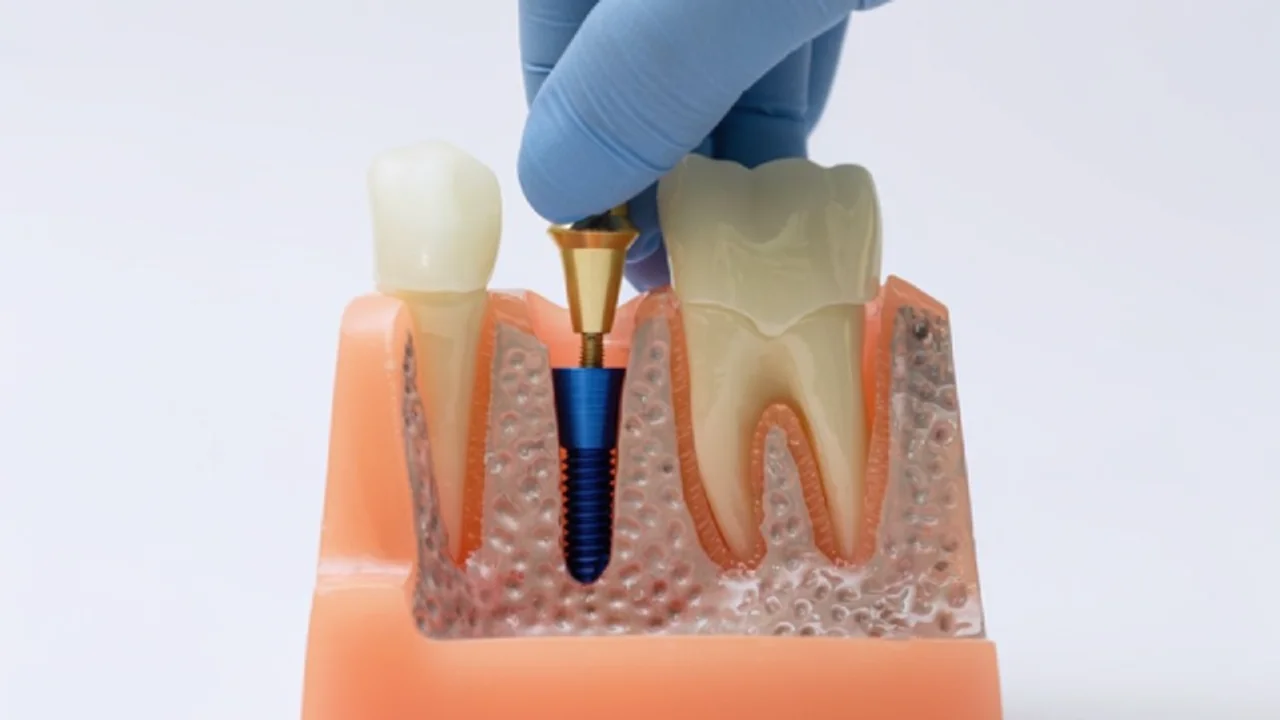
A dental implant is a titanium artificial tooth root that is placed in the jaw to provide a permanent base for a replacement tooth, such as a crown, bridge, or denture. The word "immediate" and the phrase "bone graft" describe how and when that root is placed, not the final tooth you see and chew with. Understanding the difference helps you arrive at your consultation with realistic expectations.
What is the difference between immediate implants and bone graft implants?
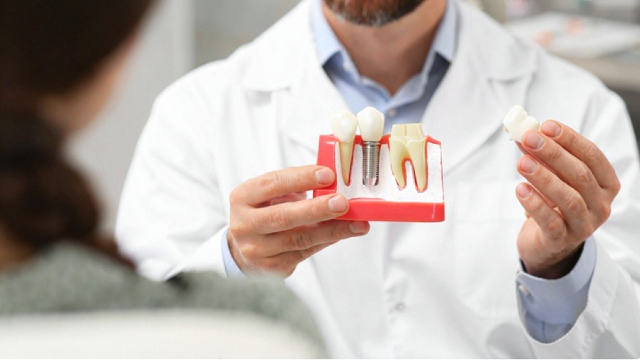
The core difference is timing and jawbone readiness. An immediate implant is placed right after a tooth is extracted, so surgery and implant placement happen in the same phase. A bone graft implant involves first rebuilding the jawbone with a bone graft (adding bone to support an implant) and allowing it to heal before, or alongside, placing the implant.
At Smile View Dental Clinic, dental implants are offered through three documented surgical approaches:
- Immediate Implants — placed right after extraction to reduce treatment time and minimize bone loss.
- Navigation (computer-guided) Implants — 3D imaging and computer guidance are used to plan and place the implant with precision.
- Bone Graft Implants — bone volume and density are added to the jaw in cases with insufficient bone, so an implant can be placed successfully in more challenging situations.
This article focuses on the first and third of those options. The right choice depends less on personal preference and more on the condition of the bone and gum where your tooth is or was.
How does an immediate implant work?
An immediate implant is placed into the socket right after the tooth is removed, combining extraction and implant placement into one surgical step. At Smile View Dental Clinic, this technique is used specifically to reduce overall treatment time and to help minimize the bone loss that can occur after a tooth is lost.
Here is the general sequence patients can expect:
How does a bone graft implant work?
The general steps for a graft-supported implant are:
More Dental Articles
Continue reading our clinical dental guides.

Korean Dental Anesthesia Market: Projected $80M Revenue by 2035
In the rapidly evolving landscape of South Korean healthcare, patient comfort has transitioned from a luxury to a baseline expectation.
Learn More

Why Non-Surgical Orthodontics Reduces Long-Term Dental Costs
The landscape of dental care in South Korea is shifting rapidly as patients increasingly prioritize long-term functional health over quick aesthetic fixes.
Learn More

Comparing Orthodontic Treatment Fees: Korea vs Japan Benchmarks
The decision to pursue orthodontic treatment is a long-term investment in both oral health and facial aesthetics. For patients in the Asia-Pacific region, South Korea and Japan represent the two most prominent hubs for advanced dental care.
Learn More