Advanced Orthodontics, Implants & Cosmetic Dentistry in Gangnam, Seoul · International Patient Concierge

Dental Guide
How to Tell If a Filling Has Failed
Discover how to tell if a filling has failed, from pain to sensitivity and cracks. Learn the signs early—protect your smile with expert tips today!
Schedule a ConsultationIntroduction: When a Small Issue Becomes a Bigger Problem\n\n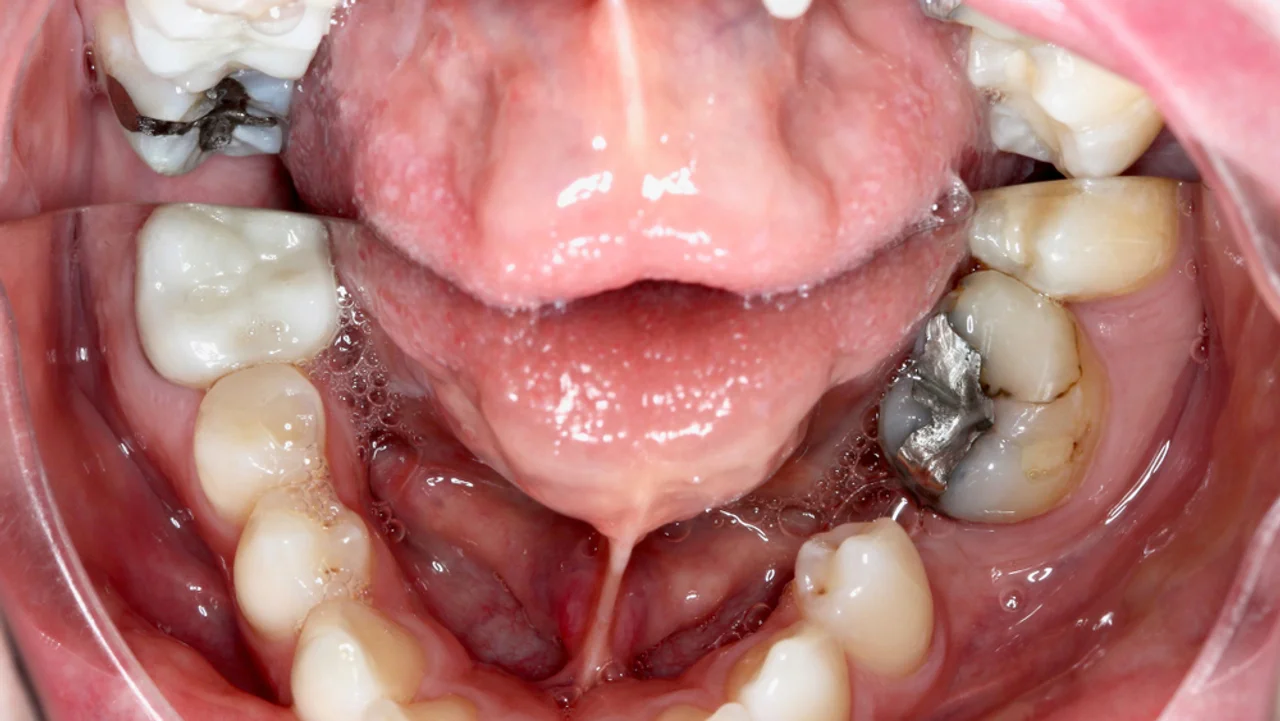 \n\nLet us share a story we see often at Smile View Dental Clinic. A patient walks in, saying, "Doctor, I think something's off with this tooth. It feels a bit sensitive lately when I drink something cold." At first glance, the tooth looks normal. No visible break. No deep pain. But after a closer look—sometimes with magnification and bite analysis—it becomes clear: the filling has failed.\n\nYou might be surprised to learn that many people walk around for months with a compromised filling without realizing it. The symptoms can be subtle at first. Yet, like a cracked tile in your bathroom, that small defect opens the door to much bigger issues if ignored.\n\nAt our clinic, where we specialize in precision-integrated dentistry and cosmetic smile reconstruction, we view fillings not just as repairs—but as key components in a long-term oral health system. A failing filling isn’t just a nuisance—it’s a signal that the integrity of your tooth is under threat.\n\nThis article explores how to tell if a dental filling has failed, why it happens, and what to do if you suspect yours might need attention.\n\n## What Is a Filling, Really? And What Does It Mean for It to "Fail"?\n\nA dental filling is a restorative material used to repair minor to moderate damage to a tooth, usually caused by decay or trauma. It’s meant to seal the cavity and protect the inner layers of the tooth. Fillings can be made of various materials—composite resin, amalgam, porcelain, even gold—but each has a lifespan.\n\nA failed filling is one that no longer performs its job—whether due to cracks, leakage, material breakdown, or new decay around it. The protective seal is compromised, which opens the door to bacteria, food particles, and pressure-related damage.\n\nIn Gangnam, where many patients are very conscious of both dental function and aesthetics, this is particularly concerning. Even the smallest defect in a visible area can affect not just oral health but self-confidence. A compromised filling can quickly escalate from a minor irritation to a severe problem requiring complex treatment, such as root canal therapy or a crown.\n\nAt Smile View, we emphasize prevention and early detection. We integrate tools such as 3D imaging, occlusion mapping, and microscopic inspection to ensure no detail goes unnoticed. The sooner we detect a failing filling, the more conservatively we can treat it.\n\n## Why Do Dental Fillings Fail?\n\nBased on years of treating patients in a high-demand clinical environment, here are the main reasons fillings fail:\n\n## Signs Your Filling May Have Failed\n\n
 \n\n
More Dental Articles
Continue reading our clinical dental guides.

Korean Dental Anesthesia Market: Projected $80M Revenue by 2035
In the rapidly evolving landscape of South Korean healthcare, patient comfort has transitioned from a luxury to a baseline expectation.
Learn More

Why Non-Surgical Orthodontics Reduces Long-Term Dental Costs
The landscape of dental care in South Korea is shifting rapidly as patients increasingly prioritize long-term functional health over quick aesthetic fixes.
Learn More

Comparing Orthodontic Treatment Fees: Korea vs Japan Benchmarks
The decision to pursue orthodontic treatment is a long-term investment in both oral health and facial aesthetics. For patients in the Asia-Pacific region, South Korea and Japan represent the two most prominent hubs for advanced dental care.
Learn More