Advanced Orthodontics, Implants & Cosmetic Dentistry in Gangnam, Seoul · International Patient Concierge


Dental Guide
How to Know If Your Cavity Is Getting Worse
Discover how to know if your cavity is getting worse, including key signs, symptoms, and when to seek treatment. Don’t wait—protect your smile today!
Schedule a ConsultationIntroduction\n\n \n\nYou might be surprised to learn that many cavities don't hurt at all—until they do. At Smile View Dental Clinic in Gangnam, we've seen it countless times: a patient comes in with a minor concern, only for us to discover advanced decay hiding beneath the surface. The truth is, dental cavities are silent creepers. They begin subtly and, when ignored, evolve into complex problems requiring far more intensive care than most patients expect.\n\nIf you're wondering whether your cavity is getting worse, you're not alone. This article will walk you through the real signs of cavity progression, what to look out for, and what action to take before a minor issue becomes a major dental ordeal. We'll also explore why early detection is critical, how modern diagnostics can make all the difference, and what a personalized treatment plan looks like when managed by an expert like Dr. Han-gyeol Kim at Smile View Dental Clinic.\n\n## What Is a Cavity, Really?\n\nA cavity is a form of tooth decay that begins when acids from bacteria wear away the tooth's outer layer (enamel). While enamel is the hardest substance in the body, it's not invincible. Once compromised, decay can tunnel into the inner layers—dentin and, eventually, the pulp, where nerves and blood vessels reside. That journey from surface to nerve is where most of the damage happens—and quickly.\n\nAt Smile View Dental Clinic, we often describe cavities like rust on a luxury car: a small blemish might seem harmless, but beneath the surface, it can spread and weaken the entire structure. When the decay reaches the inner structure, the tooth becomes more sensitive, more fragile, and more prone to infections that could lead to root canals or extractions.\n\nCavities are not just holes in teeth. They are bacterial infections of a hard tissue that, once compromised, require precise intervention. The earlier they're treated, the better the outcome.\n\n## Early Signs of a Cavity (and Why They’re Easy to Miss)\n\nIn the beginning, cavities are masters of disguise. They often present with minimal or no symptoms. Here are some subtle early signs:\n\n- White spots on the tooth surface (early demineralization)\n\n- Mild sensitivity to sweets, cold drinks, or air\n\n- Slight discoloration, such as yellowing or tiny brown spots\n\n- A rough or chalky texture on certain parts of your tooth\n\n- Unusual taste when flossing or brushing a specific area\n\nIn Gangnam, where patients are highly attuned to aesthetics, many come to our clinic concerned about color changes or minor imperfections. However, what appears cosmetic may often have a deeper underlying cause.\n\n
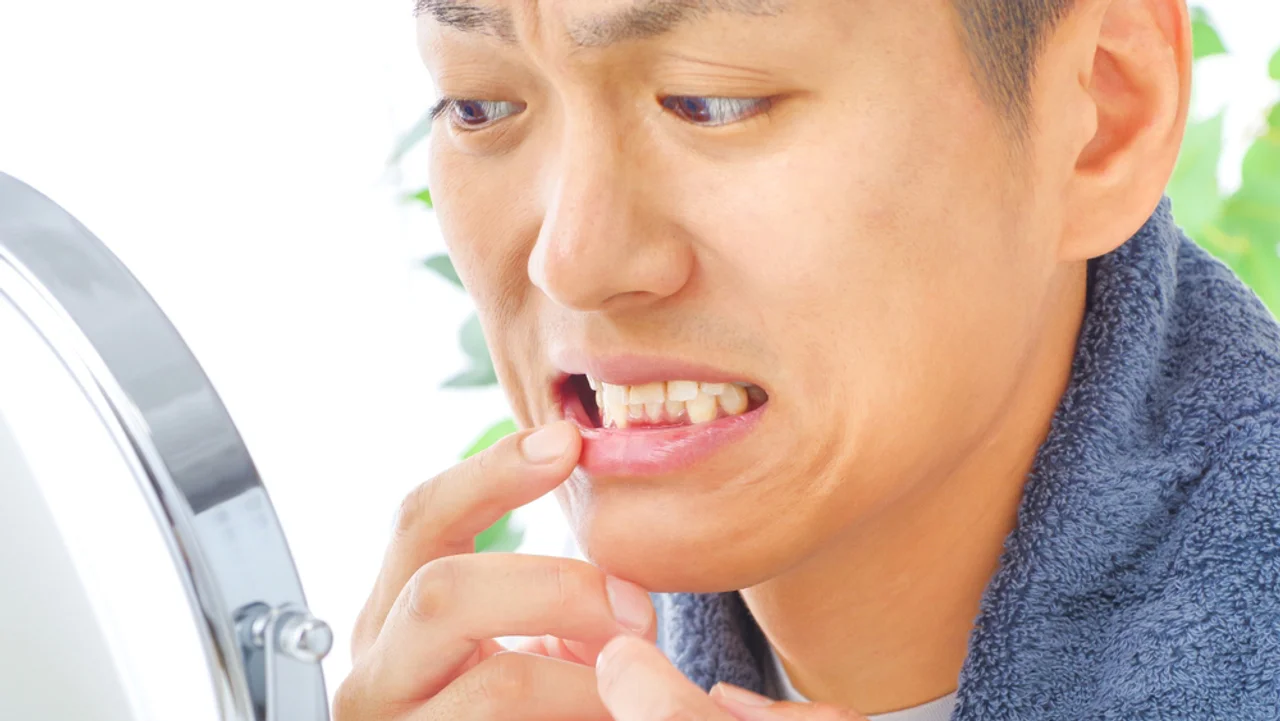 \n\n### 1. Lingering Sensitivity\n\n

More Dental Articles
Continue reading our clinical dental guides.
Korean Dental Anesthesia Market: Projected $80M Revenue by 2035
In the rapidly evolving landscape of South Korean healthcare, patient comfort has transitioned from a luxury to a baseline expectation.
Learn More

Why Non-Surgical Orthodontics Reduces Long-Term Dental Costs
The landscape of dental care in South Korea is shifting rapidly as patients increasingly prioritize long-term functional health over quick aesthetic fixes.
Learn More

Comparing Orthodontic Treatment Fees: Korea vs Japan Benchmarks
The decision to pursue orthodontic treatment is a long-term investment in both oral health and facial aesthetics. For patients in the Asia-Pacific region, South Korea and Japan represent the two most prominent hubs for advanced dental care.
Learn More