Advanced Orthodontics, Implants & Cosmetic Dentistry in Gangnam, Seoul · International Patient Concierge

Dental Guide
How to Handle Uneven Whitening Results
Discover how to handle uneven whitening results with expert tips, causes, and solutions for a brighter, balanced smile. Learn more today!
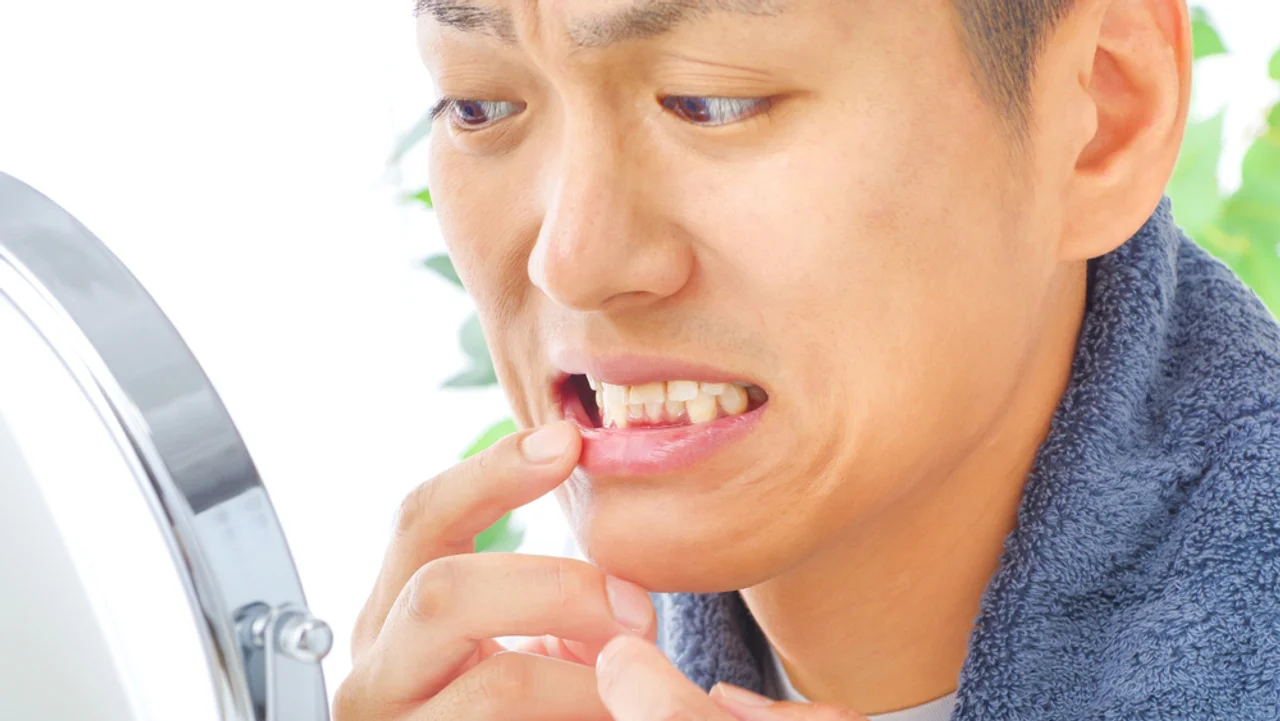
Schedule a ConsultationIntroduction: When Whitening Doesn’t Go as Planned\n\n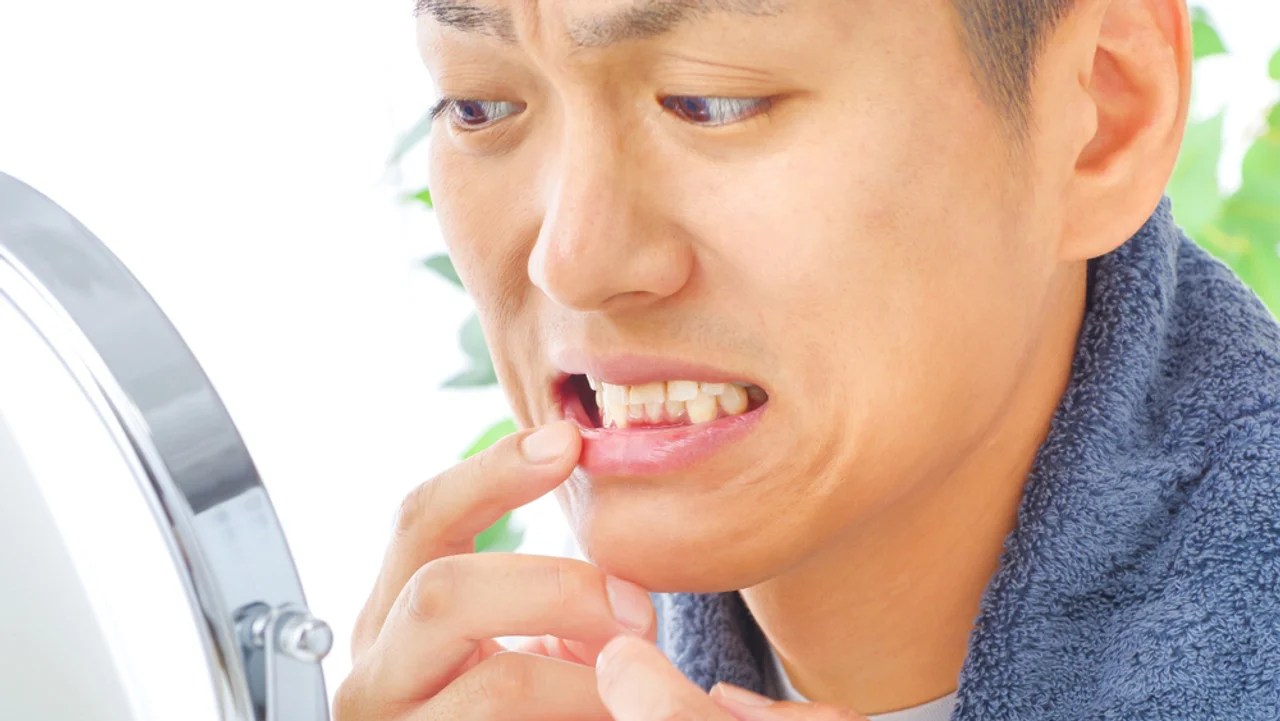 \n\nIn Gangnam, where beauty and presentation hold cultural significance, a radiant smile is often considered as essential as a well-tailored suit or flawless skincare. Patients seek whitening not just for vanity, but to reflect confidence, professionalism, and self-respect. Whitening is one of the most requested cosmetic treatments at Smile View Dental Clinic, but the journey isn’t always straightforward.\n\nMany patients expect dramatic, uniform brightness, only to find patchy results: front teeth that glow, canines that remain darker, or spots that stubbornly resist change. While initially disappointing, this unevenness doesn’t signal failure. Instead, it provides valuable clues about your unique dental history, enamel composition, and even hidden oral health conditions.\n\nAt Smile View Dental Clinic, our role is to decode these signals and guide patients toward balance and harmony. Understanding why uneven whitening occurs—and how to address it—is the first step toward achieving the natural, confident smile you envisioned.\n\n## Why Whitening Sometimes Looks Uneven?\n\n### 1. Natural Variations in Tooth Structure\n\nNo two teeth are exactly alike. Enamel thickness, dentin density, and even microscopic structure affect how each tooth absorbs whitening agents. Thin enamel allows dentin to show through, creating a slightly darker hue, while thicker enamel reflects light more readily, appearing brighter. This explains why incisors often lighten more quickly than canines.\n\n### 2. Restorations That Don’t Respond\n\nCrowns, veneers, fillings, and bonding are color-stable materials. They remain the same shade regardless of whitening treatment. When natural enamel surrounding them lightens, these restorations stand out. A patient with a front tooth veneer, for example, may notice one tooth stubbornly darker—not because the whitening failed, but because the veneer is resistant to chemical change.\n\n### 3. Intrinsic vs. Extrinsic Stains\n\nWhitening works best on extrinsic stains—those from coffee, tea, red wine, or smoking. Intrinsic stains, however, lie within the tooth’s structure. These can come from childhood antibiotics like tetracycline, fluorosis, or trauma. Intrinsic discolorations respond poorly to whitening, leading to uneven outcomes where some teeth brighten easily while others barely change.\n\n### 4. Previous Dental Trauma or Treatment\n\nTeeth that have experienced trauma or root canal therapy may darken internally. These gray or brown discolorations often resist whitening and sometimes become more visible when surrounding teeth lighten.\n\n
 \n\n

More Dental Articles
Continue reading our clinical dental guides.
Korean Dental Anesthesia Market: Projected $80M Revenue by 2035
In the rapidly evolving landscape of South Korean healthcare, patient comfort has transitioned from a luxury to a baseline expectation.
Learn More
Why Non-Surgical Orthodontics Reduces Long-Term Dental Costs
The landscape of dental care in South Korea is shifting rapidly as patients increasingly prioritize long-term functional health over quick aesthetic fixes.
Learn More
Comparing Orthodontic Treatment Fees: Korea vs Japan Benchmarks
The decision to pursue orthodontic treatment is a long-term investment in both oral health and facial aesthetics. For patients in the Asia-Pacific region, South Korea and Japan represent the two most prominent hubs for advanced dental care.
Learn More