Advanced Orthodontics, Implants & Cosmetic Dentistry in Gangnam, Seoul · International Patient Concierge


Dental Guide
How Poor Posture Could Be Causing Your Jaw Pain
Discover how poor posture may be linked to your jaw pain and what you can do to relieve it. Learn the surprising connection and take control of your health today!
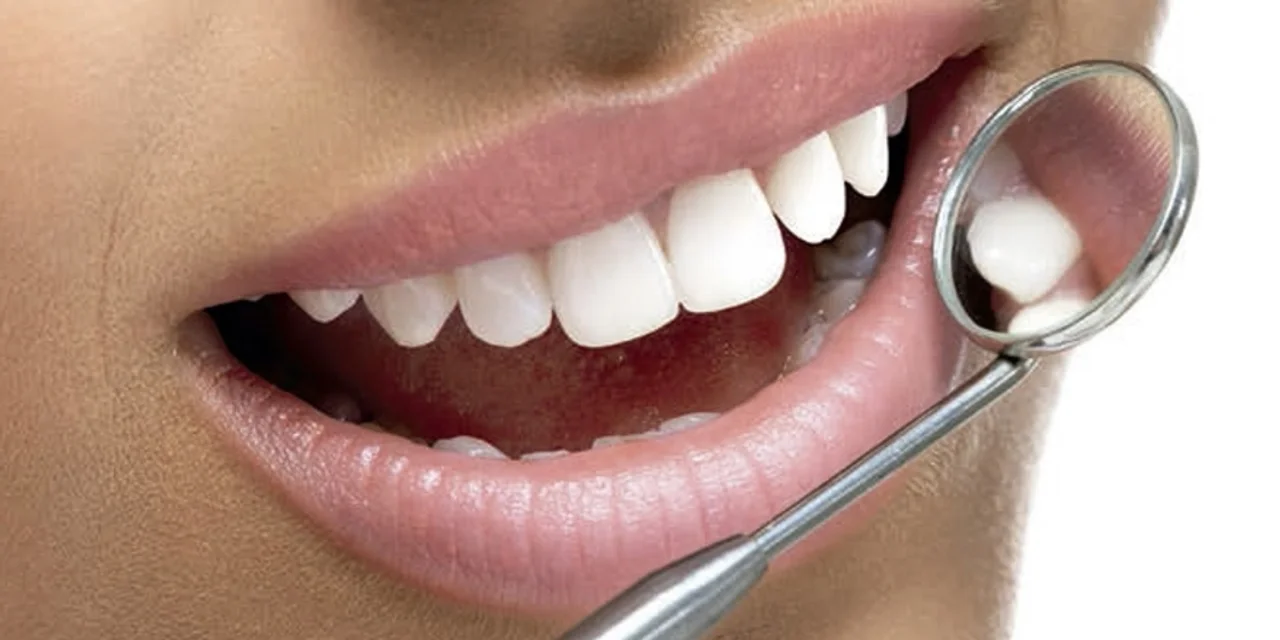
Schedule a ConsultationIntroduction: The Unseen Link Between Posture and Jaw Pain\n\n \n\nIn Gangnam, Seoul, where aesthetic precision and high-performance lifestyles intersect, patients often come to Smile View Dental Clinic with a curious mix of complaints: mild facial tension, clicking in the jaw, headaches, and difficulty chewing. Many suspect a dental issue, yet clinical exams reveal a less obvious source—poor posture.\n\nIt might surprise you to learn that the way you sit, stand, or crane your neck over a phone could be contributing to your jaw pain. As a clinic specializing in integrated dentistry and led by Harvard- and UCLA-trained Dr. Han-gyeol Kim, we take a holistic approach to oral health—because the body functions as a whole system. This article explores how posture, especially forward head posture (FHP), affects the temporomandibular joint (TMJ), the surrounding musculature, and ultimately, your comfort and smile.\n\n## The Anatomy of the Jaw and Posture Connection\n\nTo understand the role posture plays in jaw health, it's important to appreciate the structural dynamics of the TMJ and its neighboring systems. The TMJ is not an isolated joint; it works in concert with the cervical spine, cranial nerves, and musculature of the neck and shoulders. When posture is ideal, this interconnected system functions smoothly, allowing the jaw to open, close, and move laterally without friction or pain.\n\nHowever, poor posture—especially FHP—changes the orientation of the skull and puts abnormal pressure on the TMJ. The position of your head dictates how your lower jaw aligns with your upper jaw. A forward tilt shortens certain muscles (like the sternocleidomastoid) and overextends others, leading to strain. These structural shifts can manifest as TMJ disorders (TMD), which include symptoms like jaw locking, tension headaches, and even tinnitus.\n\n## Forward Head Posture: The Silent Aggravator\n\nIn our Gangnam practice, we often see patients who spend long hours working at a desk, attending meetings, or engaging with digital screens. These habits promote forward head posture—a condition where the head sits ahead of the shoulders, increasing stress on the cervical spine and jaw.\n\nStudies show that for every inch your head moves forward, the weight the spine must support doubles. This additional burden distorts the natural curvature of the spine and forces the jaw to adjust its resting position. Over time, this misalignment affects how the TMJ functions, potentially causing or worsening:\n\n- Jaw pain or tightness\n\n- Clicking or popping sounds\n\n- Limited range of motion\n\n- Earaches or pressure\n\n- Facial pain\n\n
 \n\n

More Dental Articles
Continue reading our clinical dental guides.
Korean Dental Anesthesia Market: Projected $80M Revenue by 2035
In the rapidly evolving landscape of South Korean healthcare, patient comfort has transitioned from a luxury to a baseline expectation.
Learn More

Why Non-Surgical Orthodontics Reduces Long-Term Dental Costs
The landscape of dental care in South Korea is shifting rapidly as patients increasingly prioritize long-term functional health over quick aesthetic fixes.
Learn More
Comparing Orthodontic Treatment Fees: Korea vs Japan Benchmarks
The decision to pursue orthodontic treatment is a long-term investment in both oral health and facial aesthetics. For patients in the Asia-Pacific region, South Korea and Japan represent the two most prominent hubs for advanced dental care.
Learn More