Advanced Orthodontics, Implants & Cosmetic Dentistry in Gangnam, Seoul · International Patient Concierge

Dental Guide
How Long Does TMJ Treatment Take? Timeline for Relief
TMJ treatment timelines vary, but relief often begins within weeks. Discover how long TMJ treatment takes and what to expect for lasting comfort. Learn more!
Schedule a ConsultationIntroduction: When Your Jaw Starts to Speak for You\n\n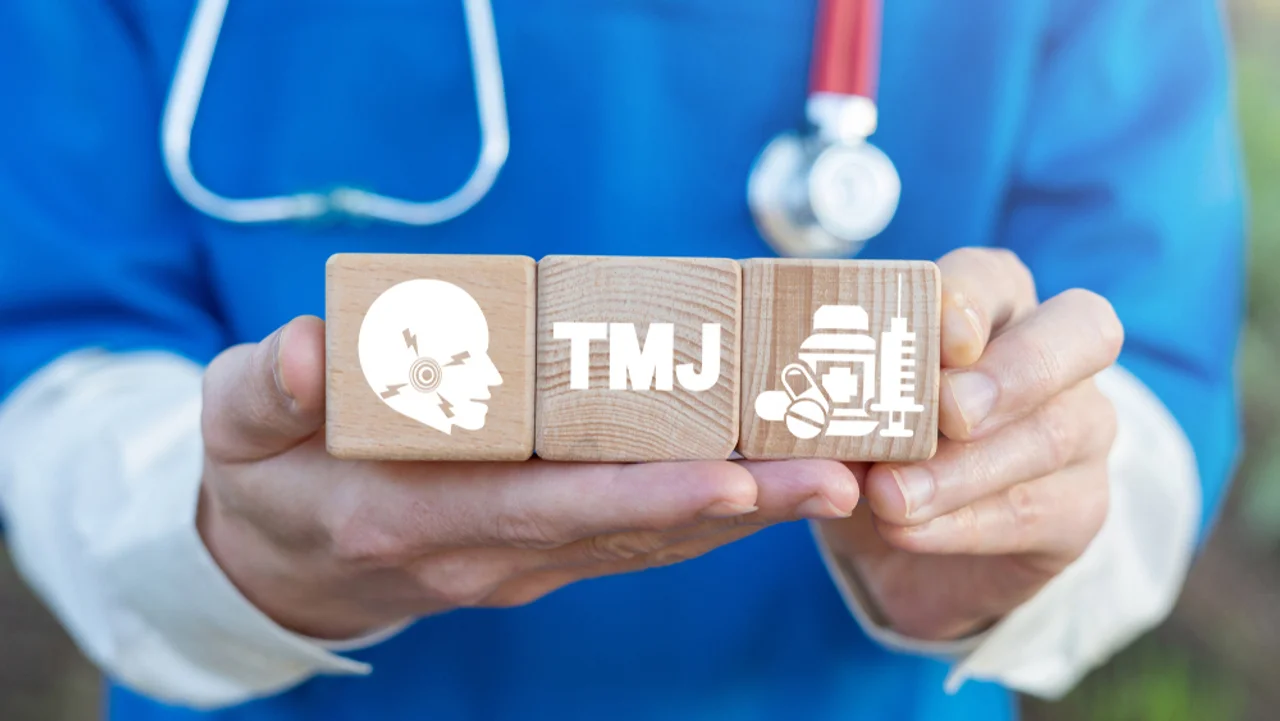 \n\nIt usually starts subtly — a click when you yawn, stiffness when you wake up, or a dull ache near your temples that you brush off as stress. But over time, that small discomfort begins to whisper louder. Eating becomes uncomfortable. Talking feels tight. Even smiling feels strained.\n\nThat’s when most people finally ask the question:\\n“How long will it take for my TMJ pain to go away?”\n\nAt Smile View Dental Clinic in Gangnam, Seoul, we meet many patients who arrive after months, sometimes years, of tolerating jaw pain. They’ve tried massages, painkillers, even posture exercises — but the relief never lasts. The truth is, TMJ disorders (temporomandibular joint dysfunction) are complex, and every recovery story is different.\n\n## What Makes TMJ Disorders So Unique — and Why Recovery Time Differs for Everyone?\n\nYou might think of jaw pain as a simple muscle ache, but the truth is, TMJ disorders are rarely that straightforward.\\nYour temporomandibular joint — the small hinge that connects your jawbone to your skull — is one of the most complex systems in your body. It allows you to speak, chew, laugh, and express emotion hundreds of times a day. When it’s slightly off balance, your entire facial system can feel the impact.\n\nThat’s why one person’s TMJ pain might disappear after a few weeks of splint therapy, while another may need several months of guided correction and rehabilitation. The root cause determines everything — from how long treatment takes to what kind of care works best.\n\nAt Smile View Dental Clinic, we often see four main patterns among TMJ patients:\n\n- Muscle-related tension — caused by clenching, grinding, or stress. These cases often respond quickly to splint therapy and relaxation training.\n\n- Bite imbalance or occlusal issues — where misaligned teeth or restorations force the jaw into unnatural positions. These usually require orthodontic or bite-adjustment care over several months.\n\n- Joint inflammation or disc displacement — structural conditions that take longer to stabilize and often involve precision splint therapy and muscle reprogramming.\n\n- Post-surgical or chronic TMJ changes — which call for long-term rehabilitation and a multidisciplinary approach.\n\nEach case has its own rhythm. What’s most important is finding the true “why” behind your pain, not just treating the symptoms.\n\n## Phase One: The Early Relief Period (Weeks 1–6)\n\n### At this stage, our clinical priorities are:\n\n- Pain reduction: Using gentle anti-inflammatory therapy, infrared therapy, or medication when appropriate.\n\n
 \n\n

More Dental Articles
Continue reading our clinical dental guides.
Korean Dental Anesthesia Market: Projected $80M Revenue by 2035
In the rapidly evolving landscape of South Korean healthcare, patient comfort has transitioned from a luxury to a baseline expectation.
Learn More

Why Non-Surgical Orthodontics Reduces Long-Term Dental Costs
The landscape of dental care in South Korea is shifting rapidly as patients increasingly prioritize long-term functional health over quick aesthetic fixes.
Learn More
Comparing Orthodontic Treatment Fees: Korea vs Japan Benchmarks
The decision to pursue orthodontic treatment is a long-term investment in both oral health and facial aesthetics. For patients in the Asia-Pacific region, South Korea and Japan represent the two most prominent hubs for advanced dental care.
Learn More