Advanced Orthodontics, Implants & Cosmetic Dentistry in Gangnam, Seoul · International Patient Concierge

Dental Guide
Got Stains from Braces? Here’s How Whitening Can Help
Remove braces stains with effective teeth whitening solutions. Discover how to restore your bright smile today—safe, fast, and dentist-approved. Learn more!
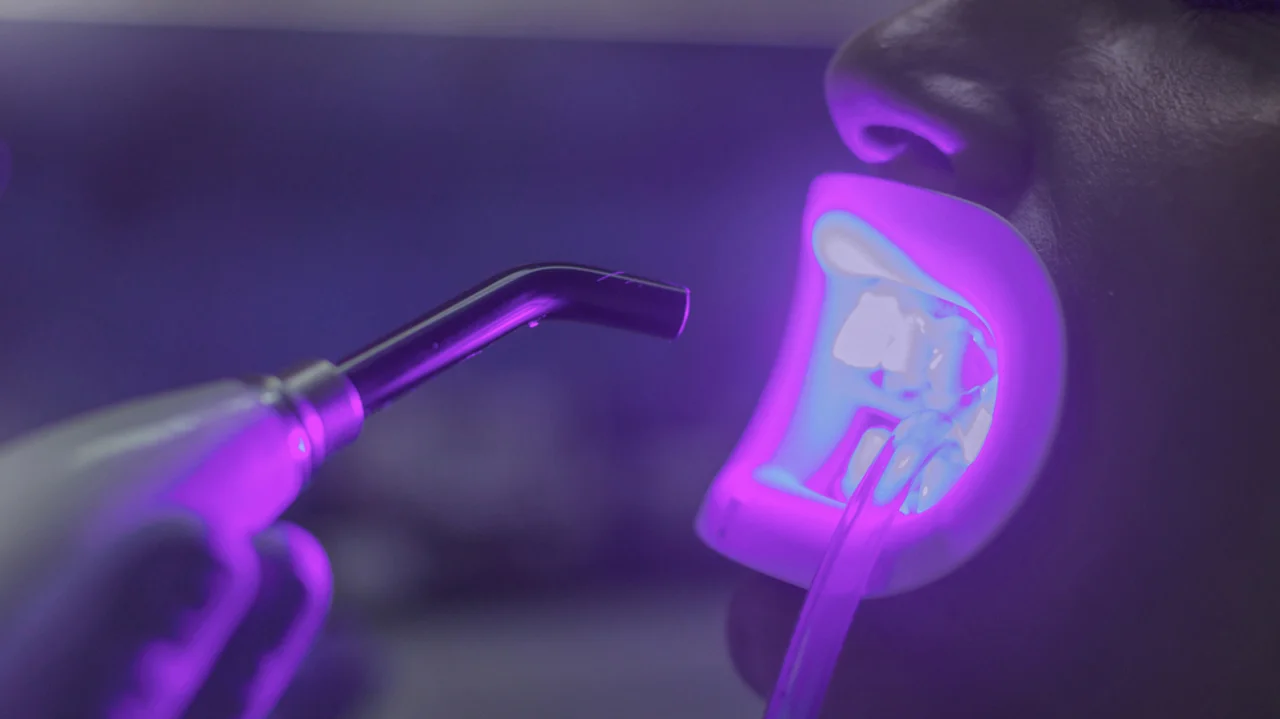
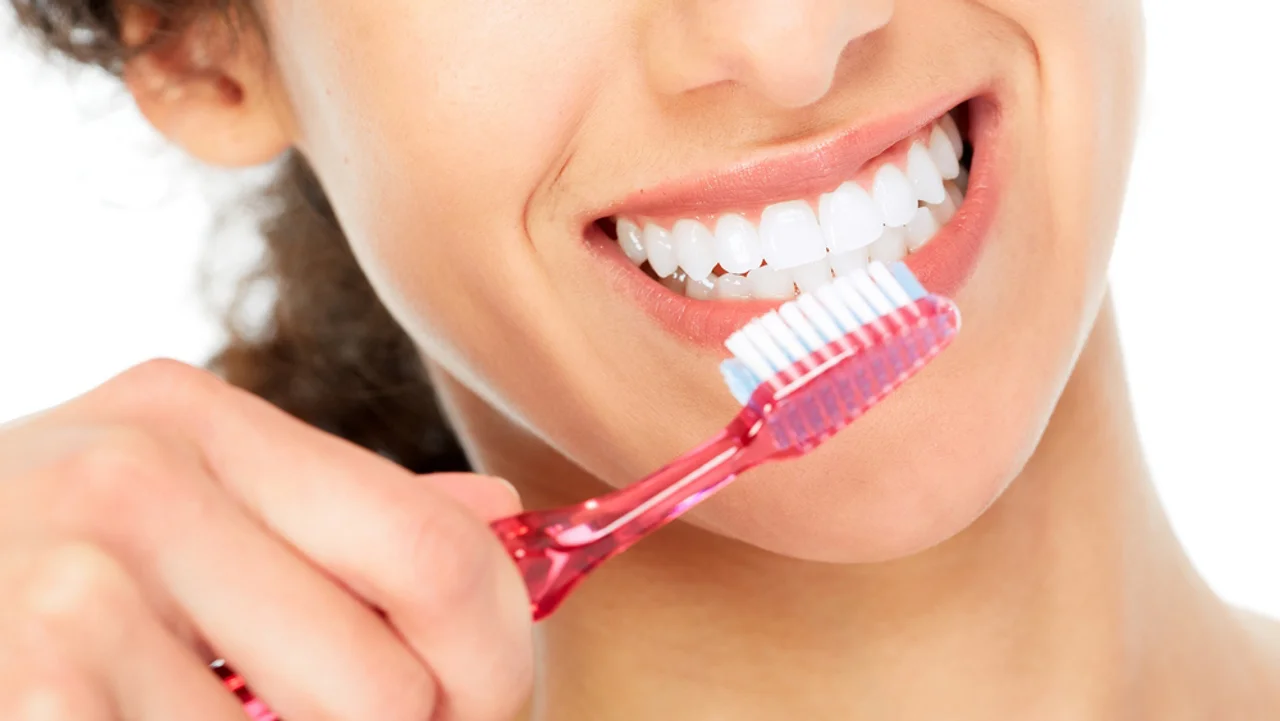
Schedule a ConsultationIntroduction\n\n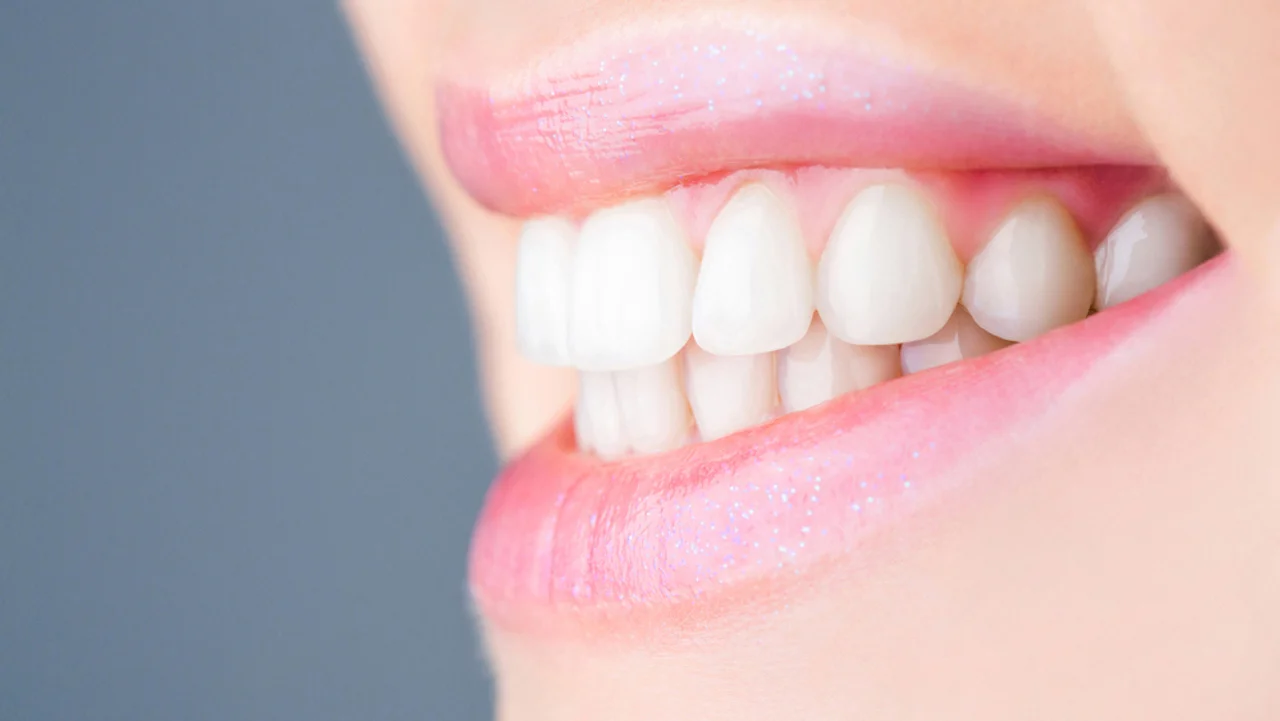 \n\n### A Smile Worth Waiting For\n\nFew moments compare to the day your braces finally come off. You’ve spent months — maybe even years — carefully brushing around brackets, avoiding sticky foods, and patiently attending every adjustment. When you finally see your reflection, you expect that perfect, gleaming smile you’ve been dreaming of.\n\nBut instead of pure joy, you might notice something surprising: uneven color, dull spots, or faint white stains where the brackets once were.\n\nIt’s a more common experience than most patients realize — and it can be disappointing. After all, orthodontic treatment is meant to enhance your smile, not leave you self-conscious about its color.\n\nAt Smile View Dental Clinic in Gangnam, Seoul, we’ve seen this moment countless times. Patients come in thrilled about their new alignment but discouraged by what they call “braces stains.” The truth is, it’s not your fault — these discolorations are often a normal side effect of the way enamel reacts to prolonged bracket coverage and plaque accumulation.\n\n## Why Stains Appear After Braces: The Science Behind the Spots\n\nBraces work wonders for alignment, but they can also create tiny “shadows” on your enamel. These occur because brackets and wires make it more difficult to brush and floss thoroughly. Over time, plaque builds up around the edges of brackets, leading to uneven mineral loss and pigment absorption.\n\nEven if you’ve followed your orthodontist’s instructions perfectly, these discolorations can still appear. That’s because several factors work together:\n\n### 1. White Spots (Demineralization)\n\nWhite spots are the most common type of “stain” after braces — though technically, they’re not stains at all. They result from demineralization, when acids from bacteria dissolve minerals in your enamel. The affected area looks chalky or frosty compared to the rest of your tooth.\n\nThese spots are early signs of enamel weakening — not decay yet, but a warning signal. Whitening alone won’t make them disappear unless the enamel is first remineralized or infiltrated with resin to restore translucency.\n\n### 2. Surface Pigmentation\n\nOther times, the discoloration looks yellow, grayish, or brownish. This is caused by pigments from foods and drinks like coffee, tea, soy sauce, kimchi, or red wine. Since the brackets cover certain areas, the enamel beneath remains lighter, creating contrast once the braces are removed.\n\n### 3. Adhesive Residue and Enamel Texture Changes\n\n## Can Whitening Fix Stains After Braces?\n\n### The Short Answer: Yes — But It Depends on the Type of Stain\n\n
 \n\n
More Dental Articles
Continue reading our clinical dental guides.
Korean Dental Anesthesia Market: Projected $80M Revenue by 2035
In the rapidly evolving landscape of South Korean healthcare, patient comfort has transitioned from a luxury to a baseline expectation.
Learn More

Why Non-Surgical Orthodontics Reduces Long-Term Dental Costs
The landscape of dental care in South Korea is shifting rapidly as patients increasingly prioritize long-term functional health over quick aesthetic fixes.
Learn More
Comparing Orthodontic Treatment Fees: Korea vs Japan Benchmarks
The decision to pursue orthodontic treatment is a long-term investment in both oral health and facial aesthetics. For patients in the Asia-Pacific region, South Korea and Japan represent the two most prominent hubs for advanced dental care.
Learn More