Advanced Orthodontics, Implants & Cosmetic Dentistry in Gangnam, Seoul · International Patient Concierge

Dental Guide
Functional Recovery: Pediatric Orthodontics vs Adult Braces Data
The landscape of dental health in South Korea is shifting rapidly. While traditionally seen as an aesthetic pursuit, orthodontic care is increasingly recognized as a vital component of long-term functional health.
Schedule a ConsultationThe landscape of dental health in South Korea is shifting rapidly. While traditionally seen as an aesthetic pursuit, orthodontic care is increasingly recognized as a vital component of long-term functional health. According to a nationwide survey on Korean oral health trends, nearly 70% of orthodontic patients now seek treatment not just for "straight teeth," but to correct functional issues like masticatory efficiency and jaw alignment. As the Korean regenerative and preventative medicine market continues its projected 18% CAGR through 2030, the focus has turned toward "Interceptive Orthodontics"—treating the root cause of misalignment during growth rather than reacting to it in adulthood.
At Smile View Dental , we observe a growing demographic of international and local parents asking a critical question: is it better to wait for permanent teeth, or intervene early? This article explores the data-driven differences between pediatric functional recovery and adult orthodontic outcomes in the context of Korea’s high-tech medical ecosystem.
Pediatric Orthodontics in Korea: Benefits, Risks, and Ideal Candidates
Why Timing Matters for Functional Recovery
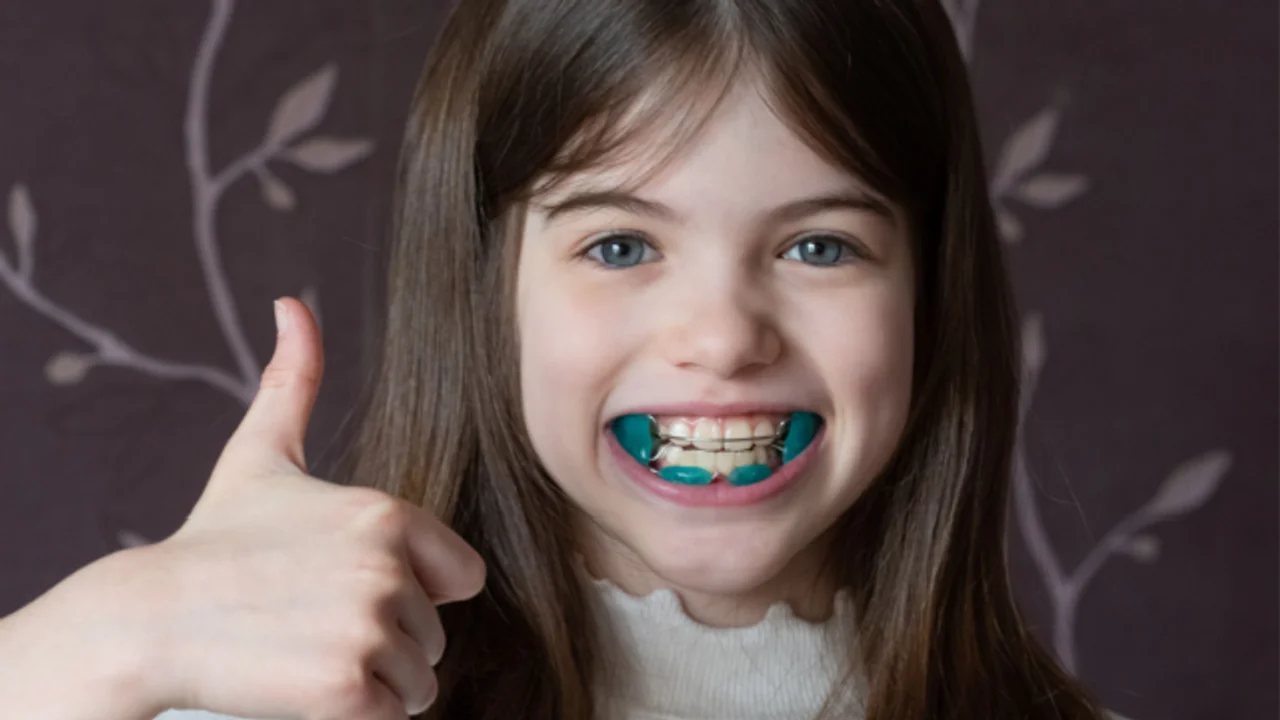
In pediatric cases, the goal is often Preventative Growth Management . Unlike adult bone, which is fully mineralized and static, a child’s jaw is highly "plastic." This allows clinicians at Smile View Dental to guide the bone's growth, rather than just moving the teeth.
- Ideal Candidates: Children aged 7 to 10 showing signs of crowding, crossbites, or protruding front teeth.
- The Goal: Improving the airway, correcting speech impediments, and ensuring the jaw has enough space for permanent teeth.
- The Risk of Waiting: Delaying treatment until adulthood often results in the need for tooth extractions or invasive orthognathic (jaw) surgery to correct skeletal discrepancies that could have been managed earlier.
What are the Treatment Costs and Outcomes for Braces in Korea?
Understanding the "Cost Curve" of dental health is essential for Korean families. While the upfront cost of Pediatric Orthodontics may seem like an additional expense, data suggests it significantly lowers the "lifetime cost" of dental care.
Current Standard Approaches & Limitations
In Korea, the standard approach for malocclusion typically involves:
- Traditional Metal Braces: High efficacy but lower aesthetic appeal and potential discomfort.
- Adult Extraction Therapy: Removing 2–4 premolars to create space in a crowded adult mouth.
- Surgical Correction: For severe skeletal cases (Double Jaw Surgery).
Common Pain Points in Standard Adult Care:
Innovative Approach: AI-Assisted Interceptive Planning
How it works:
More Dental Articles
Continue reading our clinical dental guides.
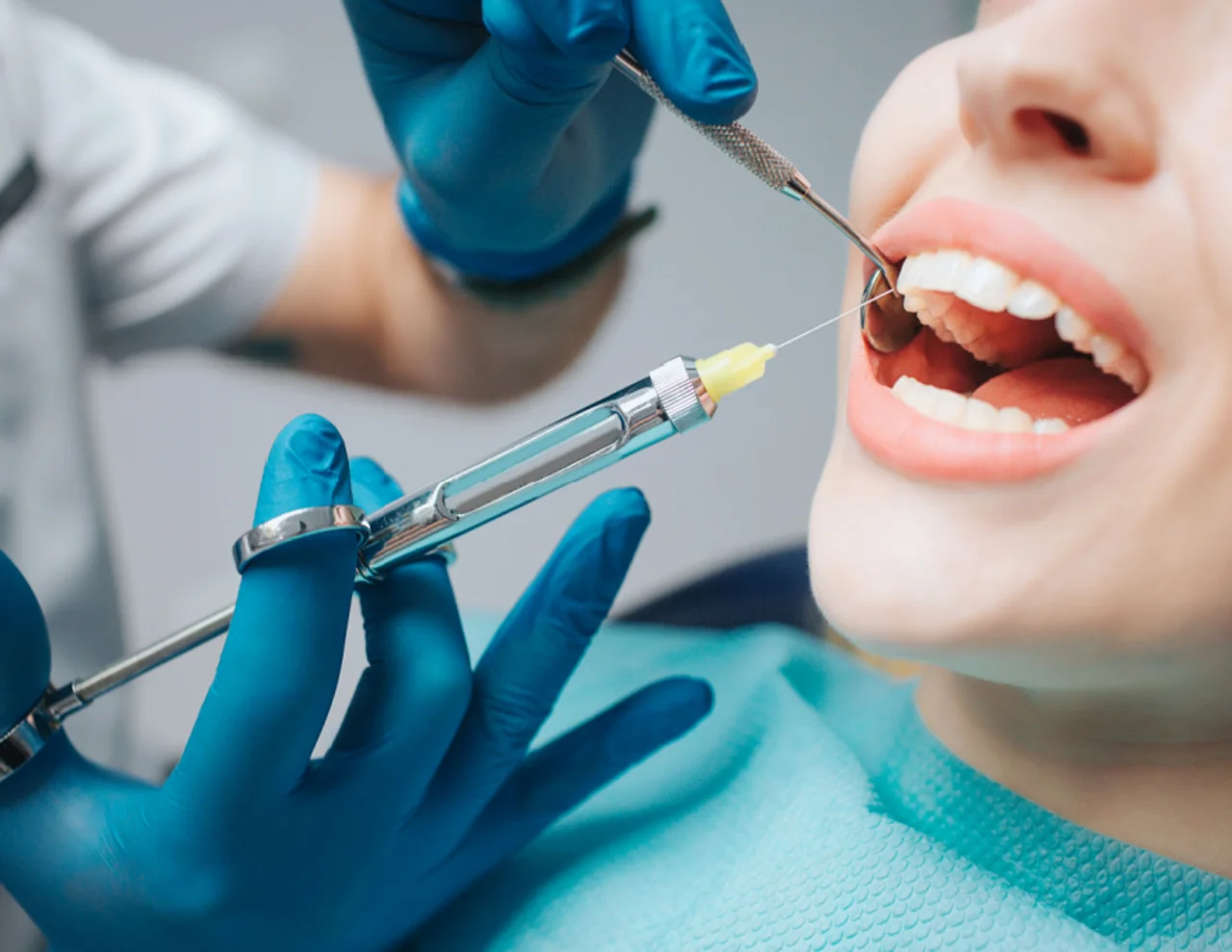
Korean Dental Anesthesia Market: Projected $80M Revenue by 2035
In the rapidly evolving landscape of South Korean healthcare, patient comfort has transitioned from a luxury to a baseline expectation.
Learn More

Why Non-Surgical Orthodontics Reduces Long-Term Dental Costs
The landscape of dental care in South Korea is shifting rapidly as patients increasingly prioritize long-term functional health over quick aesthetic fixes.
Learn More
Comparing Orthodontic Treatment Fees: Korea vs Japan Benchmarks
The decision to pursue orthodontic treatment is a long-term investment in both oral health and facial aesthetics. For patients in the Asia-Pacific region, South Korea and Japan represent the two most prominent hubs for advanced dental care.
Learn More