Advanced Orthodontics, Implants & Cosmetic Dentistry in Gangnam, Seoul · International Patient Concierge

Dental Guide
Fluoride for Kids: How Much Is Too Much?
Discover how much fluoride is safe for kids, the risks of overexposure, and how to protect their teeth. Learn more to keep your child’s smile healthy!
Schedule a ConsultationIntroduction: A Common Concern with a Complex Answer
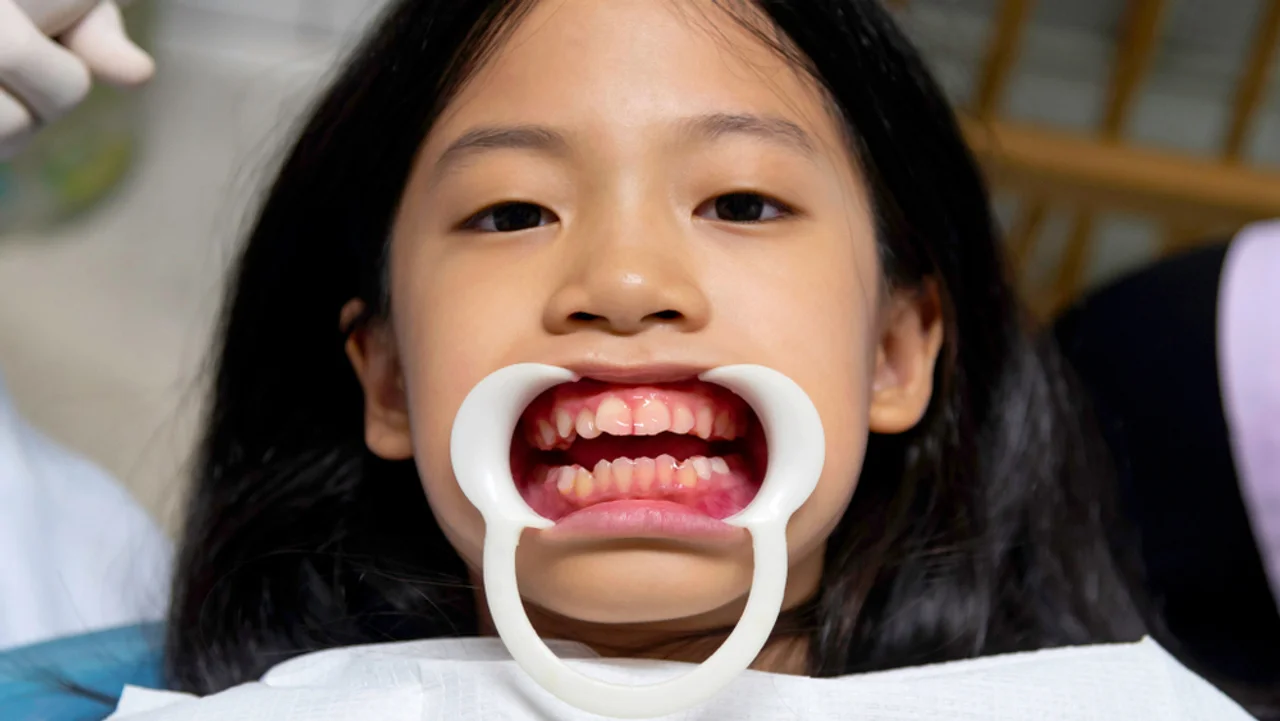
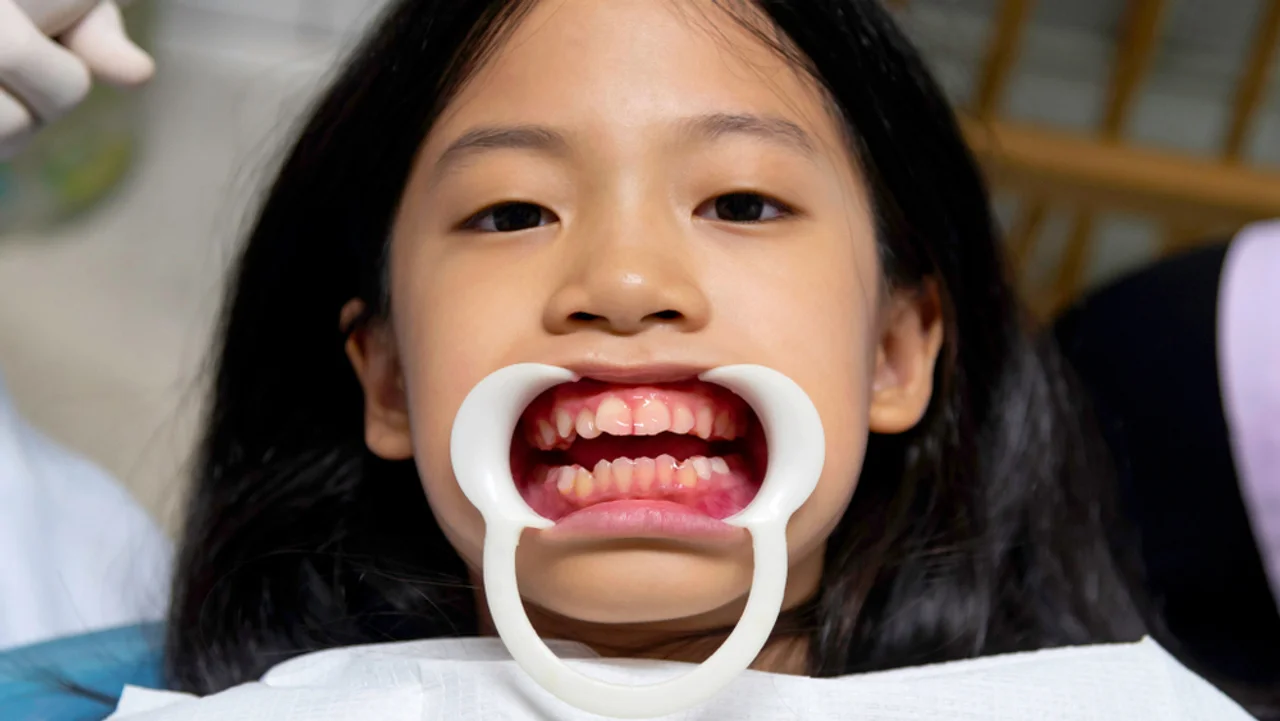
If you're a parent, you've probably had this moment: standing in the pharmacy aisle, staring at dozens of children's toothpastes, wondering, "Does my child need fluoride? How much is too much? Could it be harmful?" It's a valid concern, especially in a place like Gangnam where the standards for pediatric dental care and aesthetics are so high.
Fluoride has been hailed as one of the greatest public health achievements in dentistry. It plays a pivotal role in preventing tooth decay, especially in children. Yet, as with most health-related topics, balance is key. Too little fluoride may leave your child vulnerable to cavities. Too much could lead to fluorosis — a condition that affects the appearance of the tooth enamel.
At Smile View Dental Clinic in Gangnam, we often meet parents seeking reassurance and clarity on this topic. With insights drawn from international research and our own clinical experience, this guide will walk you through what fluoride is, how it works, and how to make sure your child is getting just the right amount — no more, no less.
Why Fluoride Matters for Children’s Teeth?
Children’s teeth are in a dynamic state of development. From infancy through the teenage years, the enamel — the protective outer layer of the tooth — is still maturing. Fluoride helps in two key ways:
Before eruption: When consumed systemically (via water or supplements), fluoride is incorporated into developing teeth, making them more resistant to acid attacks even before they appear in the mouth.
After eruption: Topical fluoride (from toothpaste or treatments) continues to protect the enamel by encouraging remineralization and reducing bacterial activity.
In short, fluoride isn't just for fixing cavities — it's about preventing them before they start. And in places like Seoul, where refined diets and sugary drinks are common among children, that preventative edge is crucial.
It also supports long-term dental health by improving the resilience of newly erupted permanent teeth. This is why fluoride is recommended not only during early childhood but throughout adolescence. A consistent, well-balanced fluoride regimen can significantly reduce the likelihood of developing cavities into adulthood.
The Science of "Too Much": Understanding Fluorosis
The good news? Fluorosis is largely preventable. It results not from occasional fluoride use, but from chronic overexposure — usually through swallowing toothpaste, unsupervised supplements, or naturally high-fluoride water sources.

More Dental Articles
Continue reading our clinical dental guides.
Korean Dental Anesthesia Market: Projected $80M Revenue by 2035
In the rapidly evolving landscape of South Korean healthcare, patient comfort has transitioned from a luxury to a baseline expectation.
Learn More

Why Non-Surgical Orthodontics Reduces Long-Term Dental Costs
The landscape of dental care in South Korea is shifting rapidly as patients increasingly prioritize long-term functional health over quick aesthetic fixes.
Learn More
Comparing Orthodontic Treatment Fees: Korea vs Japan Benchmarks
The decision to pursue orthodontic treatment is a long-term investment in both oral health and facial aesthetics. For patients in the Asia-Pacific region, South Korea and Japan represent the two most prominent hubs for advanced dental care.
Learn More