Advanced Orthodontics, Implants & Cosmetic Dentistry in Gangnam, Seoul · International Patient Concierge

Dental Guide
First Molar Problems in Kids: A Parent’s Guide
Discover common first molar problems in kids and how to manage them. Learn symptoms, treatments, and prevention tips. Empower your child’s smile—read now!
Schedule a ConsultationIntroduction\n\n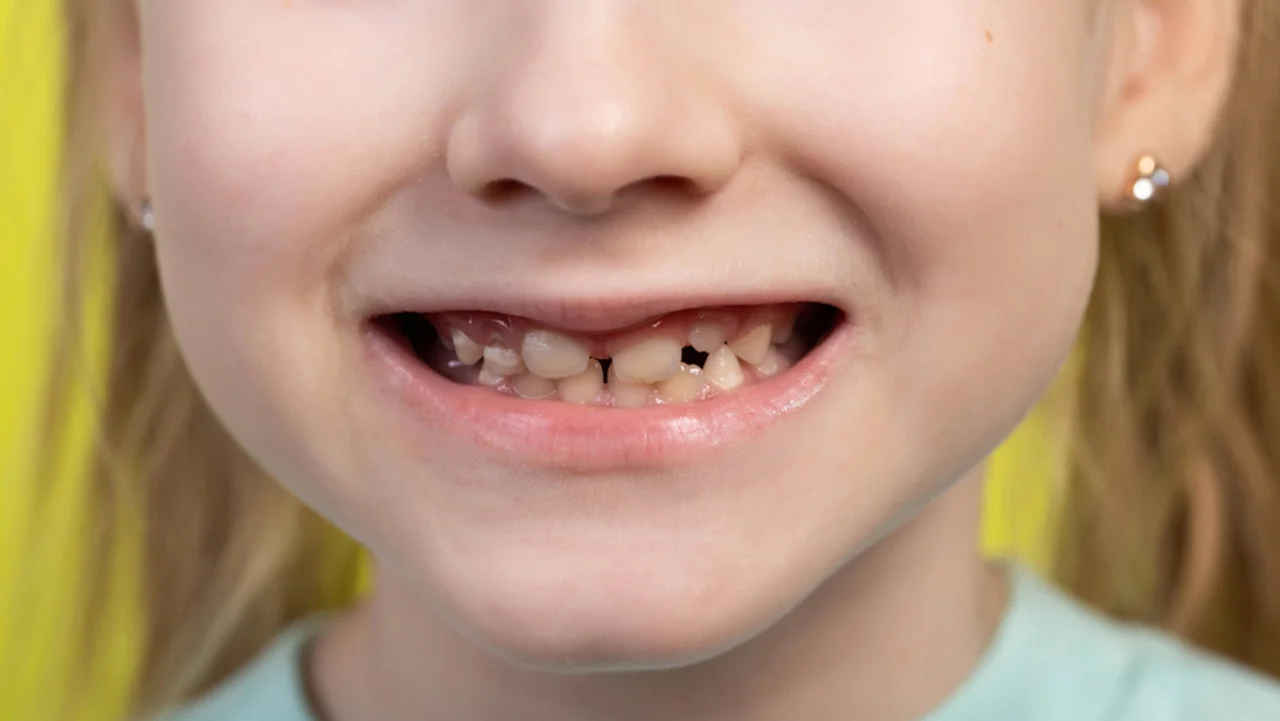 \n\nIf you're the parent of a child around six or seven years old, you may have already noticed the arrival of a new back tooth—the first permanent molar, also known as the "6-year molar." It doesn't replace any baby tooth; instead, it quietly erupts behind the last baby molar, often without much fanfare. Yet despite this quiet entrance, the first permanent molar plays a starring role in your child’s dental development.\n\nAt Smile View Dental Clinic in Gangnam, we often call it the "anchor tooth." It helps define your child’s bite, supports future orthodontic alignment, and is one of the first adult teeth to take on the full force of chewing. And because it arrives so early in life, before many kids have mastered brushing, it's also one of the most vulnerable.\n\nThis guide is here to help you understand why these teeth matter so much, what can go wrong, and how to protect them through early prevention, timely treatment, and collaborative care.\n\n## Why the First Permanent Molar Matters?\n\nThese molars do more than just chew. As foundational teeth, they:\n\n- Establish proper bite alignment.\n\n- Guide the eruption of surrounding permanent teeth.\n\n- Affect jaw development and facial symmetry.\n\n- Often serve as key anchors for future orthodontic devices.\n\nLosing a first permanent molar too early or letting it degrade can lead to years of complications: crooked teeth, misaligned bites, expensive braces, or even early adult tooth loss.\n\nIn fact, many cases of full-mouth orthodontic work we see in older children and teenagers can be traced back to issues with their first molars. By intervening early and ensuring the health of these foundational teeth, we can often reduce or even eliminate the need for complex treatment later on.\n\nAt our Gangnam clinic, we see both local and international families who are surprised to learn how pivotal these teeth are. The truth? They are often taken for granted.\n\n## What Can Go Wrong with the First Permanent Molars?\n\n### 1. Tooth Decay\n\nAs these molars erupt, their chewing surfaces are filled with deep grooves where food and bacteria easily collect. Combine this with a young child’s incomplete brushing skills, and it’s no surprise they’re prone to cavities.\n\nStudies show that the first permanent molar is the most frequently decayed adult tooth in children. If left untreated, these cavities can progress rapidly, causing pain, infection, or even necessitating extraction.\n\n### 2. Molar-Incisor Hypomineralisation (MIH)\n\n### 3. Eruption and Alignment Issues\n\n## Why These Issues Happen?\n\n
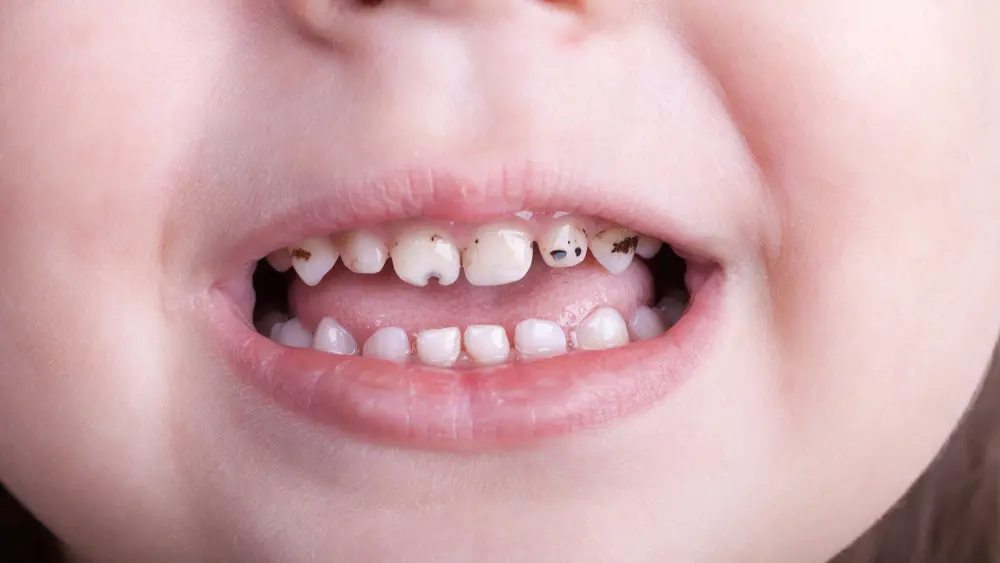 \n\n### Early Eruption Timing\n\n### Deep Grooves and Pits\n\n### Weak Enamel\n\n### For Mild Issues\n\n

More Dental Articles
Continue reading our clinical dental guides.
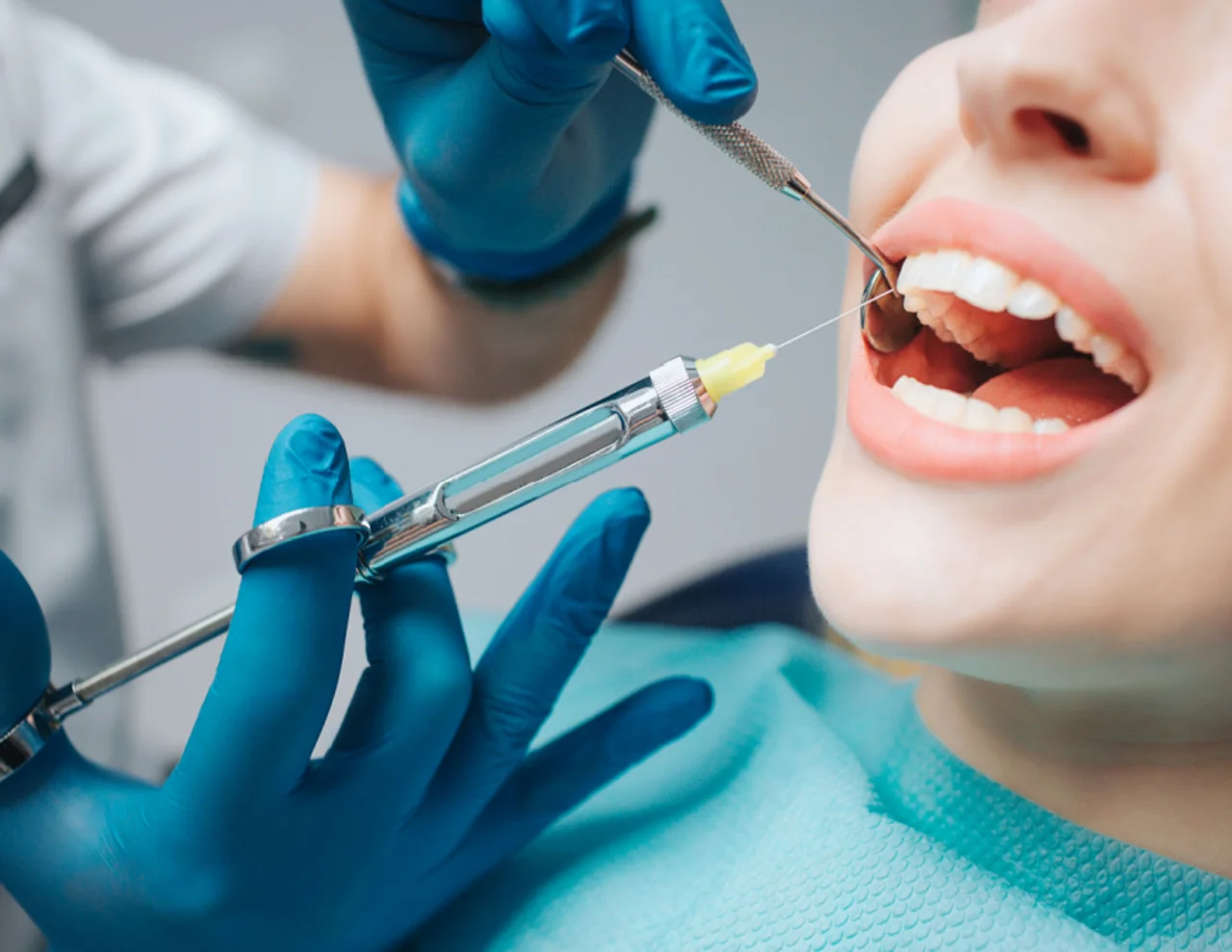
Korean Dental Anesthesia Market: Projected $80M Revenue by 2035
In the rapidly evolving landscape of South Korean healthcare, patient comfort has transitioned from a luxury to a baseline expectation.
Learn More

Why Non-Surgical Orthodontics Reduces Long-Term Dental Costs
The landscape of dental care in South Korea is shifting rapidly as patients increasingly prioritize long-term functional health over quick aesthetic fixes.
Learn More
Comparing Orthodontic Treatment Fees: Korea vs Japan Benchmarks
The decision to pursue orthodontic treatment is a long-term investment in both oral health and facial aesthetics. For patients in the Asia-Pacific region, South Korea and Japan represent the two most prominent hubs for advanced dental care.
Learn More