Advanced Orthodontics, Implants & Cosmetic Dentistry in Gangnam, Seoul · International Patient Concierge

Dental Guide
Dental Insurance vs Korea Cost: What US Patients Pay
Dental insurance vs Korea cost for US patients: how deductibles and annual limits compare with Smile View Dental's published Seoul out-of-pocket prices.
Schedule a ConsultationUS Dental Insurance vs Paying Out-of-Pocket in Korea: A Cost Comparison
Medically reviewed by Dr. Hangyeol Kim, D.D.S., Chief Director, Smile View Dental Clinic · Last updated July 2026
If you are comparing dental insurance vs Korea cost, the honest starting point is that these are two very different ways of paying, not two versions of the same bill. In the United States, a dental plan spreads cost through premiums, deductibles, co-pays, and an annual maximum. In Korea, an international patient typically pays out of pocket at published, per-procedure prices. This guide lays the two side by side using real numbers where they exist, so you can weigh them honestly rather than relying on vague "save big abroad" claims.
How US dental insurance actually pays
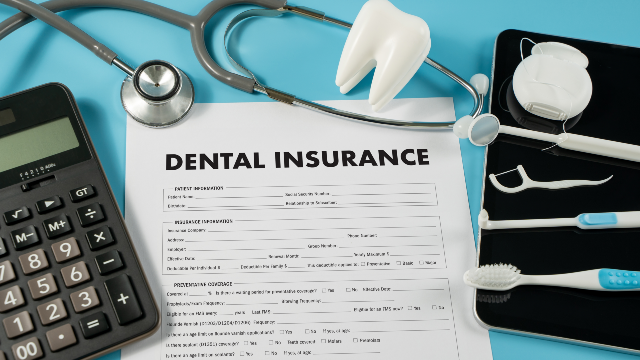
Before comparing anything, it helps to be clear about what a typical U.S. dental plan does and does not do, because the structure surprises many patients. Dental insurance is not like medical insurance that can absorb a very large bill. According to the American Dental Association (ADA) and its consumer resource MouthHealthy, most dental plans are built around a few moving parts:
- Premium: the amount you (or your employer) pay every month to keep the plan active, whether or not you use it.
- Deductible: the amount you pay yourself before the plan begins to contribute.
- Co-pay or coinsurance: your share of each covered service after the deductible is met.
- Annual maximum: the total dollar amount the plan will pay in a plan year. Once you hit that cap, you pay the rest yourself.
That annual maximum is the detail that catches people off guard. Many plans cap yearly benefits at a level that a single crown, implant, or larger restorative case can quickly reach or exceed. MouthHealthy also notes that plans commonly tier coverage: preventive care such as cleanings and exams is often covered at the highest level, basic work like fillings less so, and major work such as crowns and implants at the lowest level, sometimes with waiting periods before coverage starts.
What if you are uninsured or underinsured?
A large share of U.S. adults have no dental coverage at all, which reshapes the whole comparison. Dental coverage is not a required essential health benefit for adults under the Affordable Care Act, and HealthCare.gov explains that Marketplace health plans are not obligated to include adult dental benefits. You can buy a stand-alone dental plan in many cases, but those plans carry their own premiums, deductibles, waiting periods, and annual maximums.
More Dental Articles
Continue reading our clinical dental guides.
Korean Dental Anesthesia Market: Projected $80M Revenue by 2035
In the rapidly evolving landscape of South Korean healthcare, patient comfort has transitioned from a luxury to a baseline expectation.
Learn More

Why Non-Surgical Orthodontics Reduces Long-Term Dental Costs
The landscape of dental care in South Korea is shifting rapidly as patients increasingly prioritize long-term functional health over quick aesthetic fixes.
Learn More
Comparing Orthodontic Treatment Fees: Korea vs Japan Benchmarks
The decision to pursue orthodontic treatment is a long-term investment in both oral health and facial aesthetics. For patients in the Asia-Pacific region, South Korea and Japan represent the two most prominent hubs for advanced dental care.
Learn More