Advanced Orthodontics, Implants & Cosmetic Dentistry in Gangnam, Seoul · International Patient Concierge

Dental Guide
Dental Implants vs. Bridges: What’s Right for You?
Discover the pros and cons of dental implants vs. bridges to restore your smile. Compare costs, durability, and care. Find out what’s right for you today!
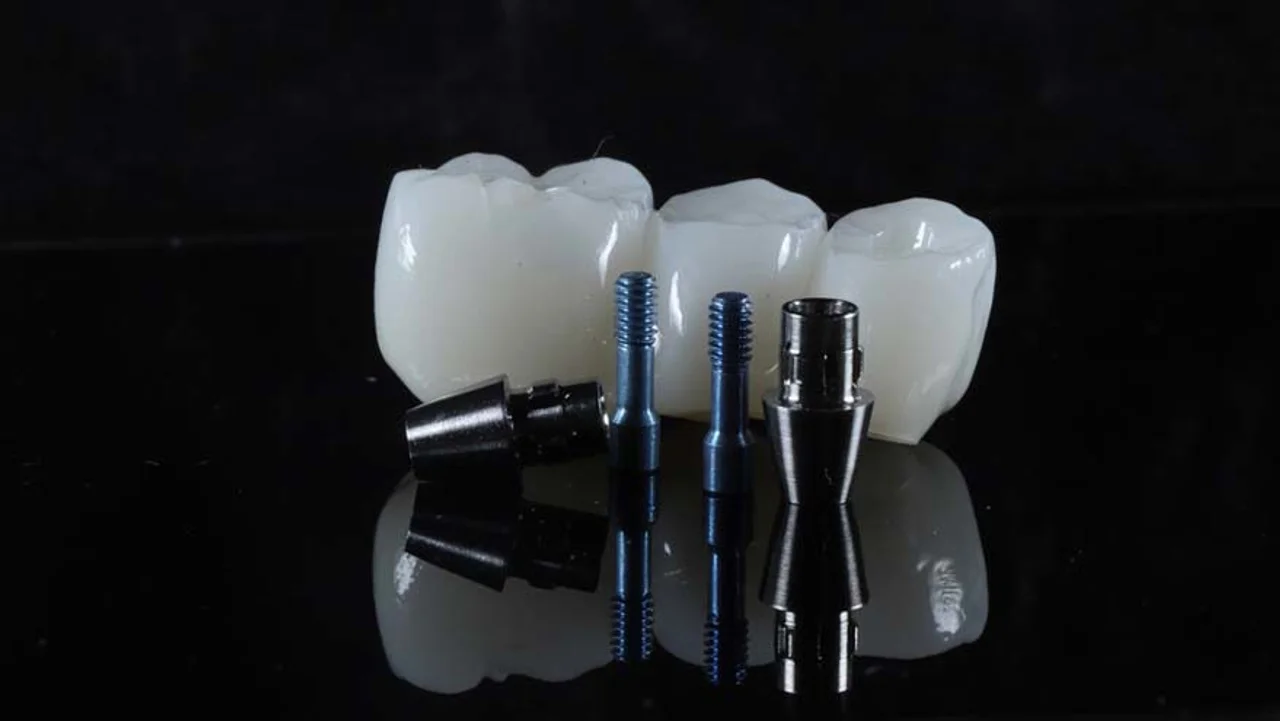
Schedule a ConsultationIntroduction\n\n \n\nImagine you’re enjoying Seoul’s vibrant café scene in Gangnam, chatting with friends or colleagues when you catch your reflection and notice a gap where a tooth once was. It might be a back molar that makes chewing awkward, or a front tooth that subtly changes your confidence when you smile. You’re not alone—tooth loss is more common than most people realize, and modern dentistry offers more than one way to restore your smile. The two most trusted options? Dental implants and dental bridges.\n\nBut which one is right for you? At Smile View Dental Clinic in Gangnam, we help patients navigate this decision every day. Led by Dr. Han-Gyeol Kim, who brings elite training from Yonsei, Harvard, and UCLA, our clinic is grounded in precision diagnostics and patient-first planning. In this article, we’ll unpack everything you need to know to make an informed, confident decision about your dental future.\n\n## What Are They?\n\n### Dental Implants: A Rooted Solution\n\nA dental implant is more than just a replacement tooth—it's a titanium or ceramic post surgically embedded into your jawbone, acting as an artificial root. Once healed, it supports a crown that looks, feels, and functions like a natural tooth. Because it integrates with your bone, the implant preserves your facial structure and prevents bone loss.\n\nDental implants can be used to replace a single tooth, several teeth, or even an entire arch using implant-supported bridges or dentures. The result is a highly stable, long-lasting solution that mimics the strength and appearance of natural teeth.\n\n### Dental Bridges: A Connected Alternative\n\nA dental bridge fills the gap left by a missing tooth by anchoring a prosthetic tooth (pontic) to the neighboring teeth (abutments). These supporting teeth are typically crowned to secure the bridge. The result? A functional, aesthetic restoration that doesn’t require surgery.\n\nThere are several types of bridges:\n\n- Traditional bridges: Supported by crowns on adjacent teeth.\n\n- Cantilever bridges: Attached on only one side.\n\n- Maryland bridges: Use a metal or porcelain framework bonded to the backs of adjacent teeth.\n\nEach type has specific applications, and the choice depends on location, bite, and patient preference.\n\n## Key Differences That Matter\n\n### 1. Longevity & Durability\n\n- Implants: With proper care, implants often last 15 to 25+ years. Clinical studies report 10-year survival rates above 95%. The implant itself may last a lifetime, though the crown may need replacement after 10–15 years.\n\n### 3. Bone Health\n\n
 \n\n

More Dental Articles
Continue reading our clinical dental guides.
Korean Dental Anesthesia Market: Projected $80M Revenue by 2035
In the rapidly evolving landscape of South Korean healthcare, patient comfort has transitioned from a luxury to a baseline expectation.
Learn More

Why Non-Surgical Orthodontics Reduces Long-Term Dental Costs
The landscape of dental care in South Korea is shifting rapidly as patients increasingly prioritize long-term functional health over quick aesthetic fixes.
Learn More
Comparing Orthodontic Treatment Fees: Korea vs Japan Benchmarks
The decision to pursue orthodontic treatment is a long-term investment in both oral health and facial aesthetics. For patients in the Asia-Pacific region, South Korea and Japan represent the two most prominent hubs for advanced dental care.
Learn More