Advanced Orthodontics, Implants & Cosmetic Dentistry in Gangnam, Seoul · International Patient Concierge

Dental Guide
Computer-Guided Surgery: Is It More Accurate for Implants?
Computer-Guided Surgery: Is It More Accurate for Implants? Discover how computer‑guided surgery improves implant precision and outcomes. Learn more now!
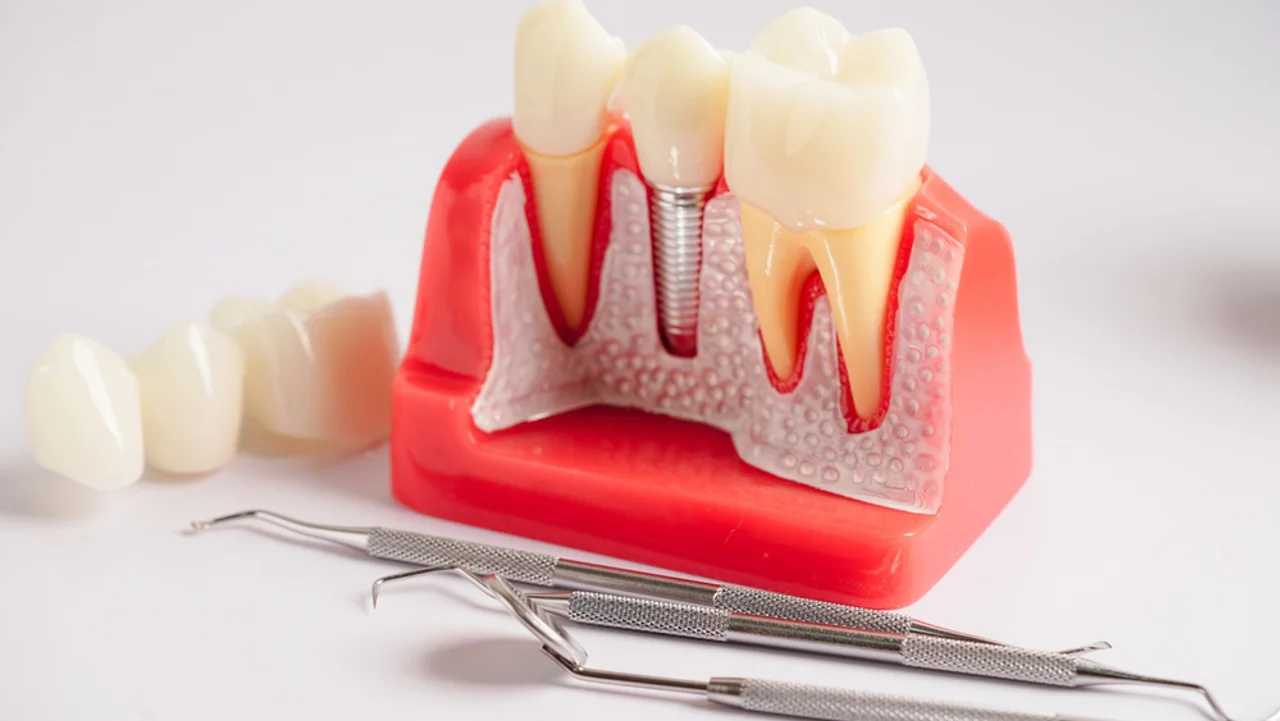
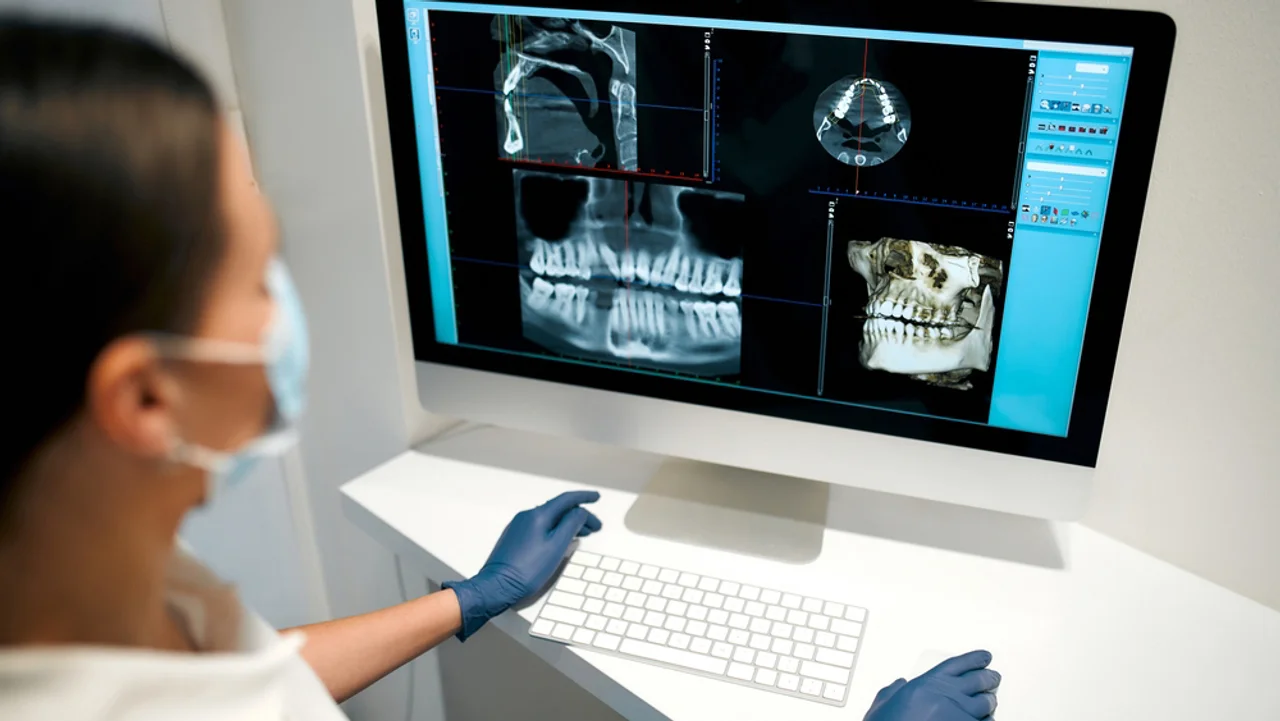
Schedule a ConsultationIntroduction\n\n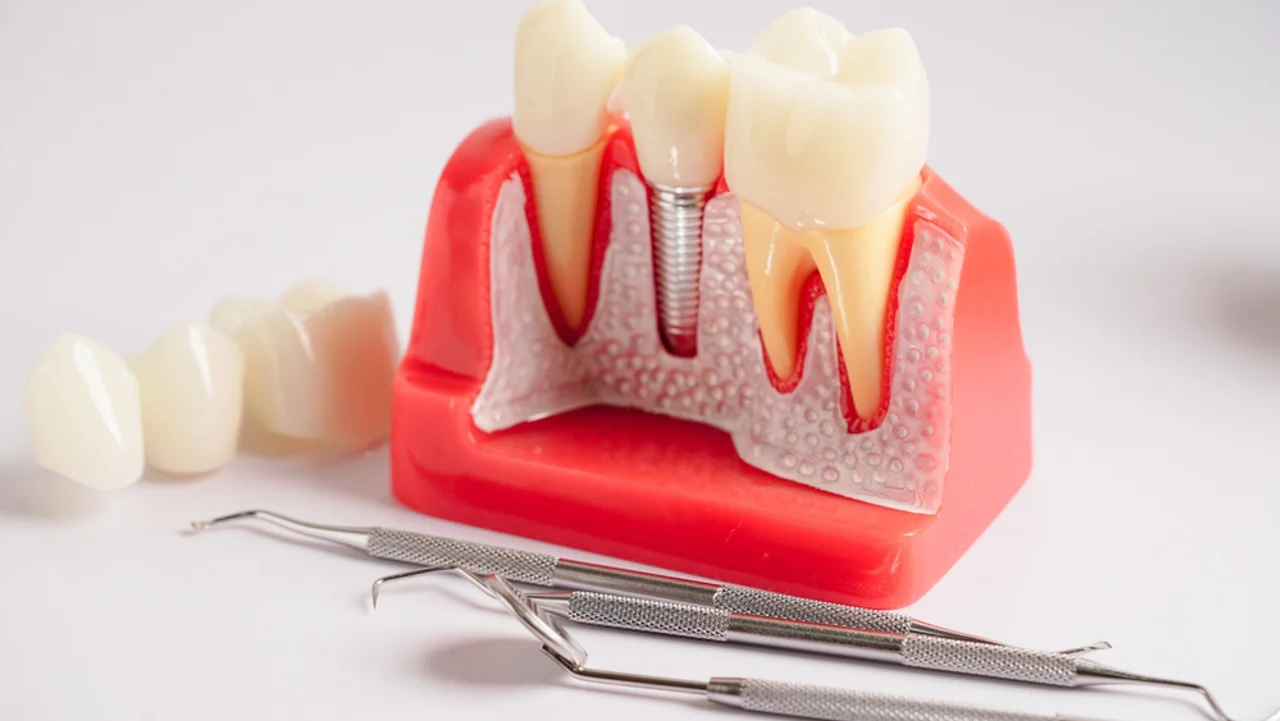 \n\nWhen patients consider dental implants, they’re often thinking about aesthetics, durability, and the promise of reclaiming a complete, confident smile. But behind the scenes of that transformation lies a deeply technical question—how precisely is the implant placed into the jawbone? The answer can influence everything from surgical success to long-term stability and aesthetics.\n\nAt Smile View Dental Clinic in Gangnam, where precision and patient-centric care define every procedure, we often encounter patients asking whether computer-guided implant surgery is truly more accurate than traditional methods. This article delves into that very question—exploring what computer-guided surgery entails, why accuracy in implantology is critical, and what this means for your results as a patient.\n\n## Understanding Computer-Guided Implant Surgery\n\nComputer-guided implant surgery is a technique that uses advanced digital tools to plan and place dental implants with millimeter-level precision. It combines 3D imaging, specialized planning software, and custom-fabricated surgical guides to enhance the accuracy of implant placement.\n\nThe process begins with a high-resolution Cone Beam Computed Tomography (CBCT) scan. This scan provides a comprehensive 3D view of your oral anatomy—bones, nerves, sinuses, and surrounding structures. From this data, your dentist uses planning software to determine the ideal placement, angle, and depth of the implant, taking into account both functional bite forces and the final crown's aesthetics.\n\nOnce planning is complete, a surgical guide is custom-fabricated to fit over your teeth or gums. This guide contains channels that direct the drill during surgery, ensuring that the implant is placed exactly where it was digitally planned.\n\nWhat’s particularly transformative about this method is how it changes the philosophy of treatment. Instead of adapting the prosthesis to a surgically placed implant, guided implantology allows clinicians to design the final tooth first—and then place the implant to support that ideal result. This prosthetically driven approach aligns both surgical and restorative goals from the outset.\n\n## Why Accuracy in Implant Placement Matters?\n\n
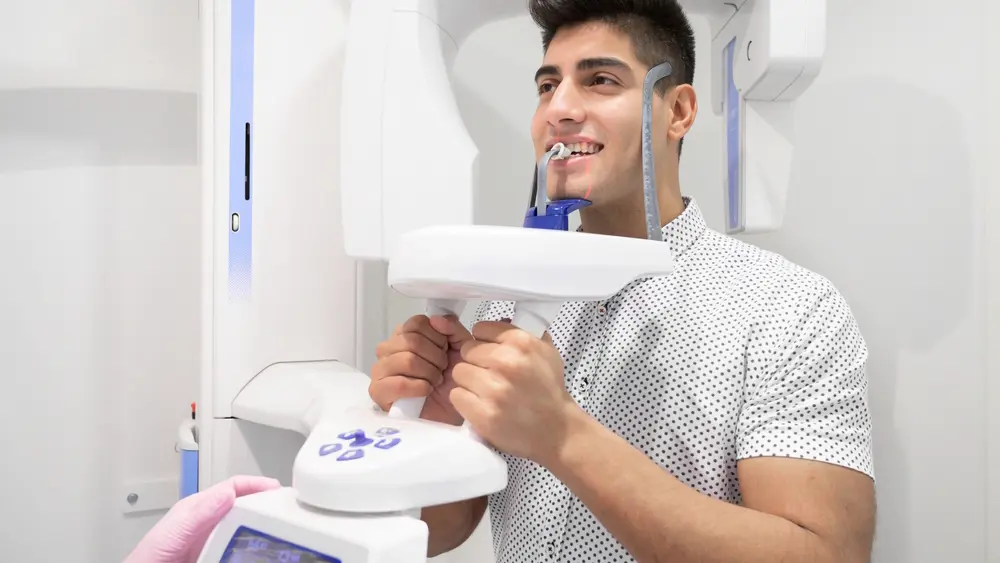
 \n\nIt’s easy to underestimate the importance of accuracy in dental implant surgery. After all, what difference can a few millimeters make? In reality, even a minor deviation in angle or depth can have serious consequences. Here’s why precision is paramount:\n\n## Traditional vs. Guided Implant Surgery: A Comparison\n\nTraditional Implant Surgery:\n\n- Based on 2D X-rays and manual judgment\n\n
More Dental Articles
Continue reading our clinical dental guides.

Korean Dental Anesthesia Market: Projected $80M Revenue by 2035
In the rapidly evolving landscape of South Korean healthcare, patient comfort has transitioned from a luxury to a baseline expectation.
Learn More

Why Non-Surgical Orthodontics Reduces Long-Term Dental Costs
The landscape of dental care in South Korea is shifting rapidly as patients increasingly prioritize long-term functional health over quick aesthetic fixes.
Learn More

Comparing Orthodontic Treatment Fees: Korea vs Japan Benchmarks
The decision to pursue orthodontic treatment is a long-term investment in both oral health and facial aesthetics. For patients in the Asia-Pacific region, South Korea and Japan represent the two most prominent hubs for advanced dental care.
Learn More