Advanced Orthodontics, Implants & Cosmetic Dentistry in Gangnam, Seoul · International Patient Concierge

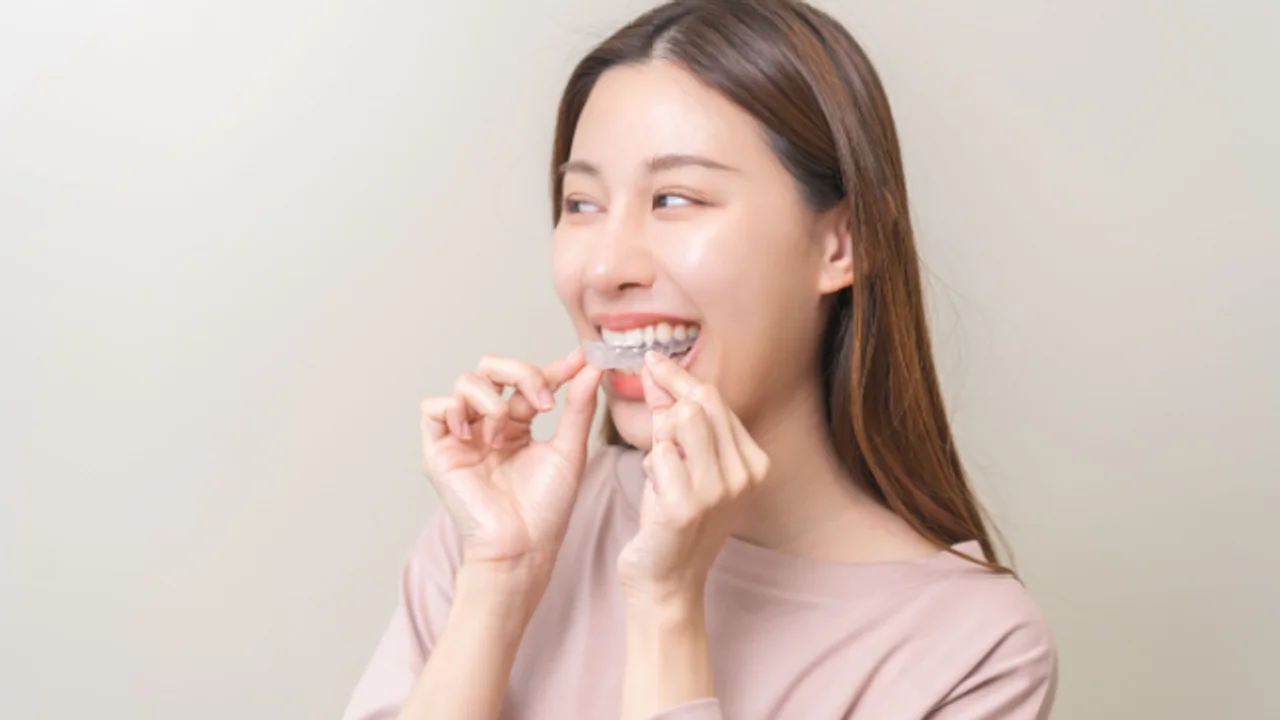
Dental Guide
Comparing Orthodontic Treatment Fees: Korea vs Japan Benchmarks
The decision to pursue orthodontic treatment is a long-term investment in both oral health and facial aesthetics. For patients in the Asia-Pacific region, South Korea and Japan represent the two most prominent hubs for advanced dental care.
Schedule a ConsultationThe decision to pursue orthodontic treatment is a long-term investment in both oral health and facial aesthetics. For patients in the Asia-Pacific region, South Korea and Japan represent the two most prominent hubs for advanced dental care. However, while both nations offer world-class clinical standards, a nationwide survey of dental fees reveals a significant "cost-to-value" gap. Recent market reports indicate that **orthodontic treatment **in Korea is generally** 30% to 50% more affordable** than in Japan, largely due to high clinic competition and the rapid adoption of localized digital workflows.
At Smile View Dental in Seoul, we observe an increasing number of international patients and local residents seeking clarity on these benchmarks. With the Korean orthodontic supplies market projected to grow at a CAGR of 7.4% through 2035, the shift toward high-precision, tech-driven care is making even complex alignment cases more accessible and predictable.
Orthodontic Treatment in Korea: Benefits, Risks, and Ideal Candidates
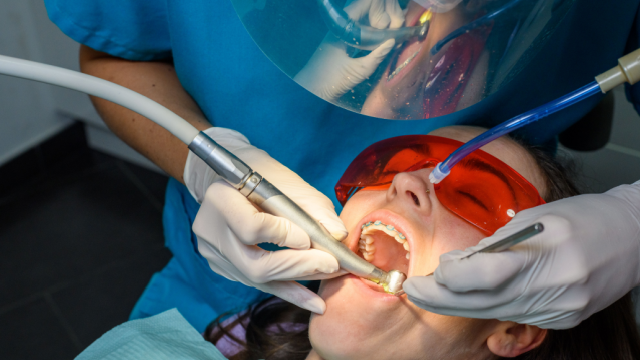
Orthodontic care today goes beyond simple "straightening." Modern protocols focus on Dentofacial Orthopedics , which manages the relationship between the teeth, jaw structure, and facial profile.
What Makes Someone an Ideal Candidate?
- Pediatric Patients (Age 7+): Early screening to guide jaw growth and prevent surgical needs later.
- Adults with Malocclusion: Those seeking to correct crowding, overbites, or functional chewing issues.
- Aesthetic Seekers: Patients desiring a "Smile Makeover" through discreet, high-tech options.
Key Benefits vs. Risks
- Benefits: Improved periodontal health (easier cleaning), reduced TMJ strain, and enhanced facial symmetry.
- Risks: Temporary discomfort, potential for root resorption if moved too quickly, and the absolute necessity of the "Retention Phase" to prevent relapse.
Current Standard Approaches & Their Limitations
Traditional orthodontics remains the backbone of dental care in Korea, but conventional methods often present hurdles for modern patients.
| **Treatment Type ** | ** Estimated Cost (Korea)** | ** Primary Pros ** | ** Common Limitations** |
|---|---|---|---|
| Metal Braces | ₩3.0M – ₩5.0M | Highest durability; handles complex cases. | High visibility; dietary restrictions; oral hygiene difficulty. |
| Ceramic Braces | ₩4.0M – ₩6.5M | Tooth-colored brackets; less noticeable. | Brackets can stain; slightly more fragile than metal. |
| Lingual Braces | ₩7.0M – ₩12.0M | Completely invisible (placed behind teeth). | Higher cost; initial speech interference; high doctor skill req. |
Standard Limitations:
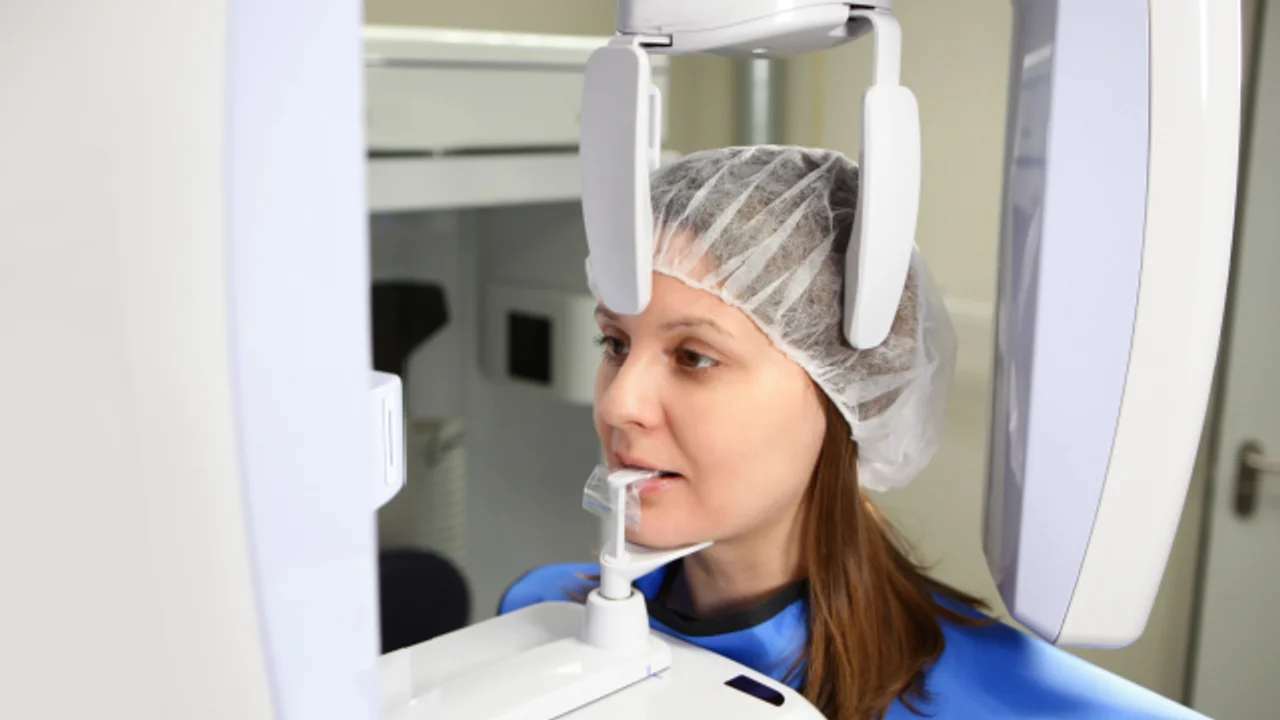
How It Works
More Dental Articles
Continue reading our clinical dental guides.
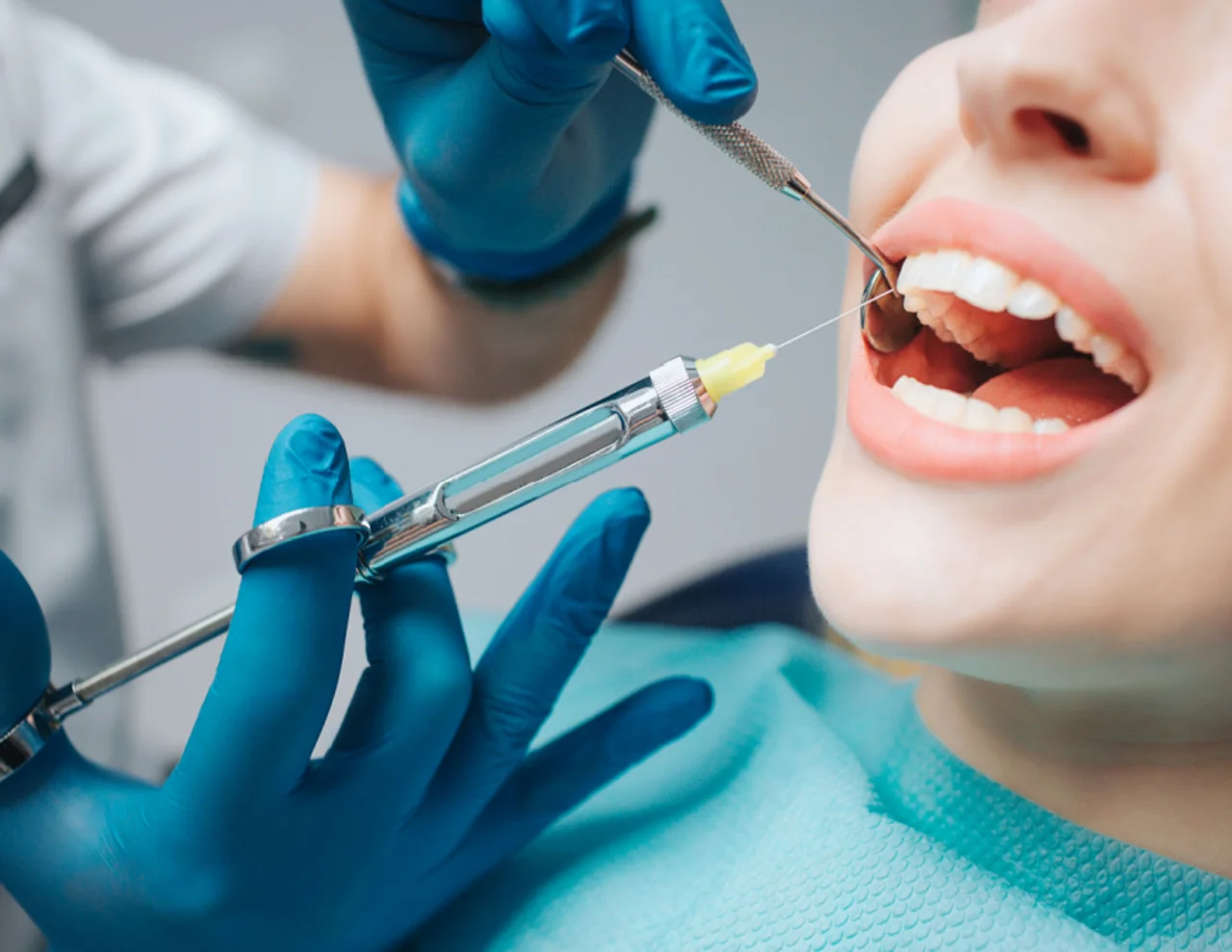
Korean Dental Anesthesia Market: Projected $80M Revenue by 2035
In the rapidly evolving landscape of South Korean healthcare, patient comfort has transitioned from a luxury to a baseline expectation.
Learn More
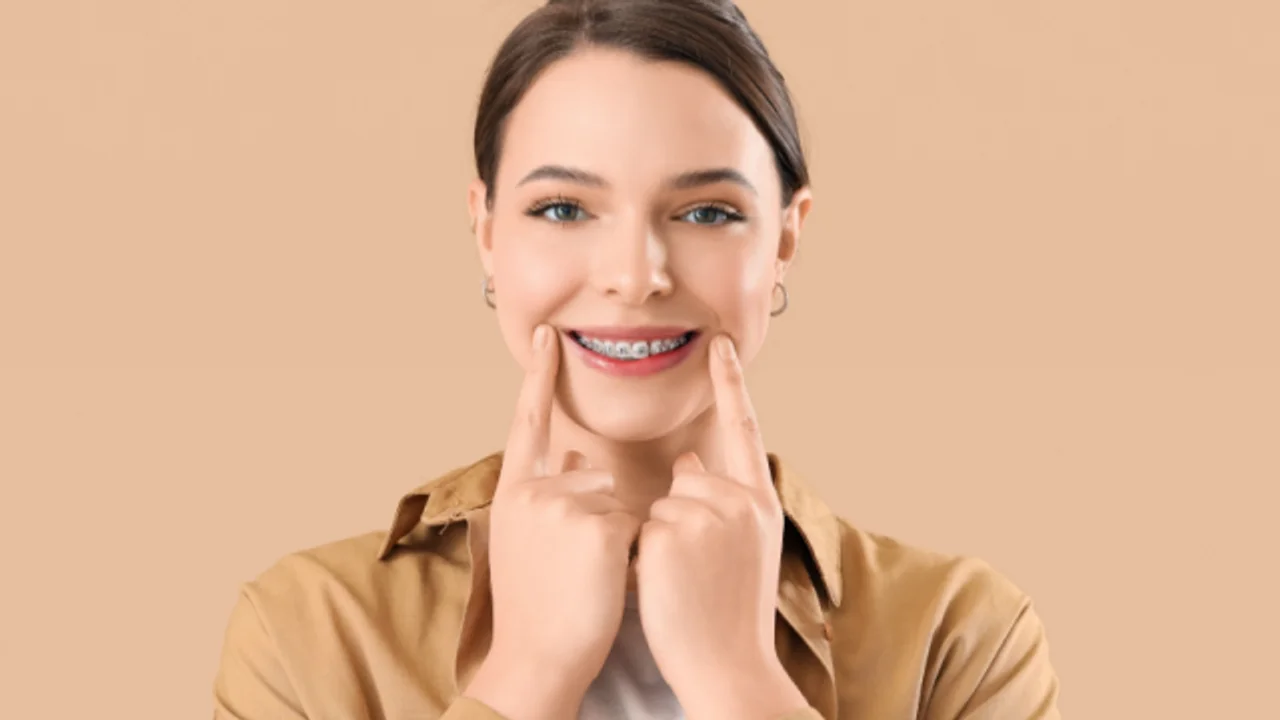
Why Non-Surgical Orthodontics Reduces Long-Term Dental Costs
The landscape of dental care in South Korea is shifting rapidly as patients increasingly prioritize long-term functional health over quick aesthetic fixes.
Learn More
Comparing Orthodontic Treatment Fees: Korea vs Japan Benchmarks
The decision to pursue orthodontic treatment is a long-term investment in both oral health and facial aesthetics. For patients in the Asia-Pacific region, South Korea and Japan represent the two most prominent hubs for advanced dental care.
Learn More